
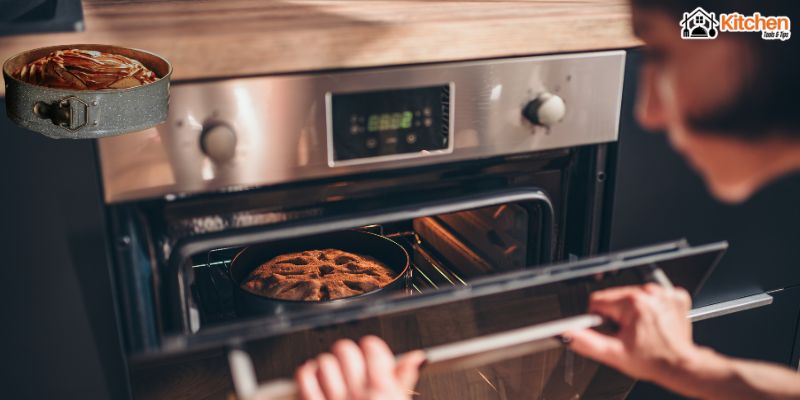
Uneven baking ruins cakes, cookies, and bread. You follow the recipe perfectly, but one side burns while the other stays raw. Sound familiar?
Most home ovens have hot spots. These areas heat faster than others. The good news? Simple tricks can fix this problem.
This guide shares 10 proven oven hacks. You’ll learn how to bake evenly and get perfect results every time.
Why Even Baking Matters
Even baking gives you consistent results. Your cakes rise uniformly. Cookies brown the same shade. Bread bakes through without burnt edges.
Professional bakers know these tricks. Now you can use them too.
Understanding Your Oven’s Behavior
Every oven is different. Gas ovens heat differently than electric ovens. Convection ovens circulate air while conventional ovens don’t.
Hot spots form near heating elements. The back of your oven often runs hotter. The sides may cook faster than the center.
Temperature fluctuations happen too. Your oven might show 350°F but actually run at 325°F or 375°F.
10 Proven Oven Hacks for Baking Evenly
1. Preheat Your Oven Fully
Always preheat for 15-20 minutes. Don’t trust the beep right away.
The heating element cycles on and off. Give your oven extra time to stabilize. This creates consistent temperature throughout.
For delicate items like soufflés or pastries, wait 20 minutes minimum.
2. Use an Oven Thermometer
This is the most important hack. Oven thermometers cost under $10 but solve many problems.
Place the thermometer in the center of your oven. Check the reading against your oven’s setting.
If your oven shows 350°F but the thermometer reads 325°F, you’ll know to adjust. This simple tool prevents countless baking failures.
3. Rotate Your Pans Halfway Through
Set a timer for the halfway point. Open the oven and rotate pans 180 degrees.
This compensates for hot spots. The side that was in back moves to front. Even baking happens naturally.
For cookies, also swap top and bottom racks if baking multiple sheets.
4. Choose Light-Colored Baking Pans
Dark pans absorb more heat. They cause edges to brown too quickly.
Light-colored aluminum or stainless steel pans reflect heat. This promotes even baking and prevents burnt bottoms.
Glass pans work well too but may need 25°F lower temperature.
5. Use the Middle Rack Position
The middle rack has the most even heat distribution. Hot air circulates best here.
Top racks get too much direct heat from the ceiling element. Bottom racks sit too close to the lower heating source.
Center position gives balanced results for most baking.
6. Avoid Overcrowding the Oven
Leave space between pans. Air needs room to circulate.
When you crowd the oven, heat gets trapped. Some areas become hotter while others stay cooler.
Bake in batches if needed. Quality beats speed every time.
7. Add a Baking Stone or Steel
Baking stones absorb and distribute heat evenly. They stabilize oven temperature.
Place a stone on the bottom rack. Let it preheat for 30 minutes minimum.
This creates a heat reservoir. Your oven maintains steady temperature even when you open the door.
Pizza, bread, and pastries especially benefit from baking stones.
8. Line Pans with Parchment Paper
Parchment paper prevents hot spots from burning your food directly.
It creates a barrier between metal and batter. Heat distributes more gently and evenly.
Never use wax paper in the oven. Only parchment paper is heat-safe.
9. Check Your Oven Door Seal
A worn door seal lets heat escape. This creates temperature fluctuations.
Close your oven door on a piece of paper. Try pulling the paper out. If it slides easily, your seal needs replacing.
A tight seal maintains consistent temperature. This is crucial for even baking.
10. Calibrate Your Oven Temperature
Most ovens can be calibrated. Check your owner’s manual for instructions.
If your oven consistently runs hot or cold, professional calibration helps. An appliance technician can adjust the temperature sensor.
This one-time fix prevents years of baking problems.
Common Baking Problems Solved
Burnt bottoms? Use a light-colored pan or double-stack your pans. The air gap insulates from direct heat.
Raw centers? Your oven might be too hot on the outside. Lower temperature by 25°F and bake longer.
Uneven browning? Rotate halfway through and check for oven hot spots with the bread test.
Collapsed cakes? Temperature fluctuations cause this. Don’t open the door too early and ensure proper preheating.
The Bread Test for Hot Spots
Want to find your oven’s hot spots? Try this simple test.
Place white bread slices on a baking sheet. Cover the entire surface. Bake at 350°F for 5-10 minutes.
The bread will brown unevenly. Dark spots show where your oven runs hottest. Now you know where to avoid placing delicate items.
Quick Tips for Success
- Invest in quality baking pans with even thickness
- Keep your oven clean for better heat distribution
- Use convection setting when available for more even results
- Don’t open the oven door unnecessarily
- Let hot pans cool before washing to prevent warping
Conclusion
Even baking isn’t magic. It’s about understanding your oven and using smart techniques.
Start with an oven thermometer. This single tool transforms your baking. Then apply these simple hacks: preheat fully, rotate pans, use the middle rack, and avoid overcrowding.
These tricks work for beginners and experienced bakers alike. Your cookies will brown evenly. Your cakes will rise uniformly. Your bread will bake perfectly every time.
Try one or two hacks today. Notice the difference in your next batch. Soon, even baking becomes second nature.
Happy baking