
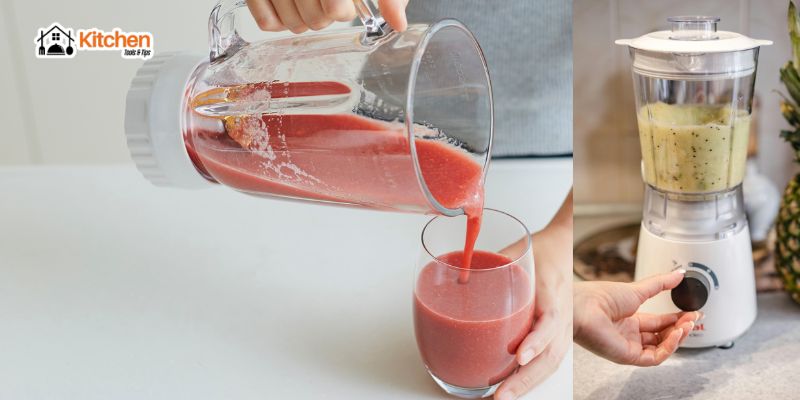
Blenders make kitchen work easier. They help you create smoothies, soups, and sauces in minutes. But using a blender incorrectly can lead to injuries or damage. This guide shows you how to use your blender safely every time.
Why Blender Safety Matters
Kitchen accidents happen fast. Blender blades spin at high speeds, sometimes reaching 20,000 rotations per minute. These sharp blades can cut fingers in seconds. Hot liquids can splash and cause burns. Electrical parts can cause shocks if wet.
Each year, thousands of people visit emergency rooms for blender-related injuries. Most of these accidents are preventable. Following basic safety rules protects you and your family.
7 Essential Blender Safety Tips
1. Read the Manual First
Every blender model works differently. Your user manual contains important safety information. It tells you what foods work best and which features to use. Spend ten minutes reading it before your first use.
2. Check Before You Blend
Always inspect your blender before using it. Look for cracks in the jar or pitcher. Check that the blades attach securely. Make sure the power cord has no damage. A damaged blender is dangerous.
3. Place on a Stable Surface
Put your blender on a flat, dry countertop. Keep it away from the edge. The motor creates vibrations during blending. An unstable surface can cause the blender to fall or tip over.
4. Add Ingredients Properly
Never overfill your blender jar. Most manufacturers recommend filling only to the max line. Leave space at the top for expansion. This prevents spills and reduces motor strain.
Cut large ingredients into smaller pieces first. Big chunks can jam the blades or damage the motor. Add liquids before solid ingredients when possible. This helps the blades move freely.
5. Keep Hands Away from Blades
Never put your hands inside the blender while it’s plugged in. Even when turned off, an accidental button press can start the motor. Use the tamper tool that came with your blender to push food down. If your blender lacks a tamper, unplug it first before using a spatula.
6. Handle Hot Liquids with Care
Blending hot soups or sauces requires extra caution. Hot liquids create steam pressure inside the jar. This pressure can force the lid off, causing dangerous splashes.
Follow these steps for hot liquids:
- Let food cool for a few minutes first
- Fill the jar only halfway
- Remove the center cap from the lid
- Place a kitchen towel over the lid opening
- Start on the lowest speed
- Gradually increase speed if needed
7. Unplug When Not in Use
Always unplug your blender after use. This prevents accidental starts during cleaning. It also protects children from turning it on. Unplugging adds an extra safety layer.
Common Blender Mistakes to Avoid
Some habits seem harmless but create risks. Avoid these common mistakes:
Running Empty: Never turn on a blender with nothing inside. This damages the motor and bearings.
Using Wrong Speed: Start every blend on low speed. Sudden high speeds can cause spills or jar cracks.
Blending Hard Items: Ice cubes, frozen fruit, and nuts need proper technique. Check your manual first. Some blenders can’t handle these items.
Ignoring Strange Sounds: Unusual noises signal problems. Stop immediately if you hear grinding or rattling sounds. Continuing can damage the motor or cause blade failure.
Removing Jar Too Soon: Wait until the blades stop completely before lifting the jar. Blades keep spinning briefly after you turn off the motor.
Proper Blender Maintenance
Good maintenance keeps your blender safe and functional.
Clean After Each Use: Wash the jar, lid, and blades with warm soapy water. Food residue can harbor bacteria and dull blades. For quick cleaning, add water and dish soap to the jar, then blend for 30 seconds.
Dry Thoroughly: Water near electrical parts creates shock hazards. Dry all pieces completely before reassembling or storing.
Sharpen or Replace Blades: Dull blades work harder and create safety risks. Have them professionally sharpened yearly. Replace damaged blades immediately.
Check Gaskets and Seals: The rubber seal between the jar and base prevents leaks. Replace worn gaskets to avoid spills.
Store Safely: Keep your blender in a dry cabinet or on the counter away from water sources. Store the jar separate from the base to prevent accidental activation.
Conclusion
Using a blender safely is simple when you follow basic guidelines. Always read your manual, inspect your equipment, and use common sense. Keep hands away from blades, handle hot liquids carefully, and maintain your blender properly.
These safety practices take just a few extra seconds. They protect you from injuries and extend your blender’s life. Make safety your priority every time you blend.
Start your next smoothie or soup with confidence. Follow these tips, and you’ll enjoy years of safe, productive blending in your kitchen.