
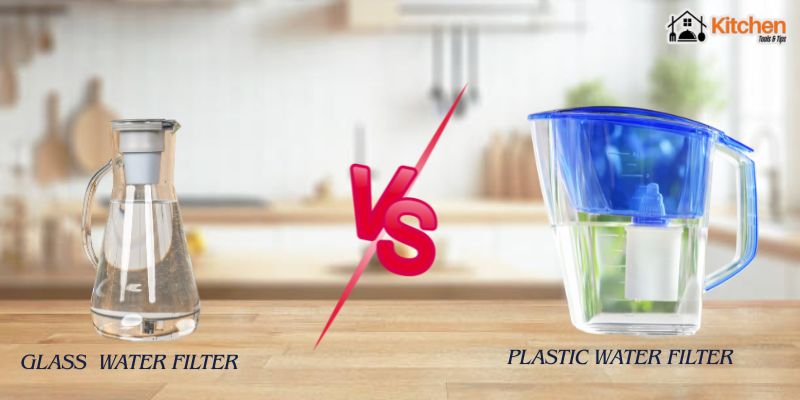
Glass vs. Plastic Water Filter Pitchers: Which One Is Right for You?
I switched to filtered water three years ago. My tap water tasted like chlorine. I wanted clean water without buying bottles. That decision led me down a rabbit hole. Glass or plastic? It seems simple. But the choice affects your health, wallet, and planet.
Let me share what I learned. This guide will help you pick the right pitcher. You will understand both options fully. No marketing fluff. Just facts and real experience.
What Are Water Filter Pitchers?
A water filter pitcher is simple. You pour tap water in the top. It flows through a filter. Clean water collects in the bottom. You drink it whenever you want.
The filtration system removes contaminants. Chlorine goes away. Lead gets filtered out. Some remove fluoride too. Each brand works differently.
Popular options fill store shelves. The Brita pitcher dominates the market. ZeroWater offers strong filtration. The LifeStraw pitcher targets outdoor lovers. Epic Water focuses on eco-friendly designs. The Hydros pitcher adds alkaline minerals.
Most people switch for taste. Tap water can taste bad. Chemicals leave an aftertaste. Filtered water tastes cleaner. It smells better too. Plus, you save money versus bottled water. You also reduce plastic waste.
Glass Water Filter Pitchers: The Pure Choice
Glass pitchers feel premium. They look elegant on your counter. But do they work better?
Benefits You Get With Glass
Glass does not leach chemicals. Ever. Plastic can release compounds into water. This happens more with heat or age. Glass stays inert. Your water touches only glass and the filter.
Taste stays pure with glass. I notice the difference. Plastic can add subtle flavors. Glass adds nothing. Water tastes exactly how it should.
Scratches do not happen inside glass. Plastic develops tiny grooves over time. Bacteria can hide there. Glass stays smooth. Cleaning is easy. You can see everything.
The environmental angle matters. Glass lasts decades if you do not break it. You can recycle it endlessly. Going plastic-free helps oceans and landfills.
Drawbacks To Consider
Glass breaks. That is the big one. Drop it once and you need a new pitcher. I broke my first one within two months. It shattered on tile floor.
Weight becomes an issue. A full glass pitcher is heavy. Pouring requires two hands. Kids struggle with them. Elderly people might find them hard to lift.
Price hurts upfront. Glass pitchers cost more. Sometimes twice as much. But they last longer if you are careful.
Selection is limited. Few brands make glass versions. You get fewer filter options. Popular models like standard Brita water systems come mainly in plastic.
Plastic Water Filter Pitchers: The Practical Option
Plastic pitchers dominate for good reasons. They work well for most families. Let me explain why.
Why Plastic Makes Sense
Durability is excellent. Drop a plastic pitcher. It bounces. Maybe it cracks eventually. But one fall will not destroy it. I have dropped mine five times. Still works fine.
Weight makes daily use easy. You can pour with one hand. Kids can handle them. Filling your water bottle takes seconds.
Cost helps families afford clean water. A basic Brita pitcher costs $20 to $30. Quality models stay under $50. That makes filtered water accessible.
Variety gives you choices. Every brand offers plastic. The Waterdrop pitcher has slim designs. ZeroWater dispenser models hold more water. The filter dispenser fits in tight spaces. You find exactly what you need.
Modern plastics improved greatly. BPA-free became standard. Quality brands use food-grade materials. They test for safety. Reputable companies follow strict rules.
Concerns You Should Know
Plastic ages over time. Discoloration happens. Cloudiness develops. Tiny scratches appear. After two years, most look worn.
Chemical questions remain. Even BPA-free plastic contains other compounds. Some studies suggest concerns. Research continues. The science is not settled.
Recycling plastic is hard. Most cities accept pitcher plastic. But recycling rates stay low. Much ends up in landfills. Environmental impact adds up.
Replacement happens more often. Most plastic pitchers last two to three years. Then you buy another one. This creates ongoing waste.
Filter Performance: What Really Matters
The pitcher material matters less than the filter. Your filter determines water quality. Let me break down the options.
The Brita filter removes chlorine taste. It reduces mercury and copper. Standard filters last about two months. They work for most people. Cost stays reasonable.
LifeStraw filter technology targets bacteria. The LifeStraw pitcher removes parasites too. Great for questionable water sources. Outdoor enthusiasts love it. Filters last longer than Brita.
ZeroWater uses five-stage filtration. It removes dissolved solids. Your water tastes incredibly pure. The ZeroWater system gets lab-grade results. Filters cost more but work harder.
Some pitchers add minerals. Alkaline water enthusiasts prefer this. The Hydros pitcher adds magnesium. Some people report health benefits. Science shows mixed results.
Filter lifespan affects cost. Cheap pitchers need frequent filter changes. Calculate yearly filter costs. Sometimes expensive pitchers save money long-term.
Choosing The Right Type For Your Life
Your lifestyle determines the best choice. Think about these factors.
Pick glass if you want zero plastic contact. Health-conscious people prefer it. You plan to keep it on the counter. Your household has adults only. You want a plastic-free kitchen.
Choose plastic for busy families. You have kids who pour their own water. The pitcher moves around often. You want affordable starting costs. Durability matters most.
Consider household size too. Large families need capacity. A filter dispenser holds more water. Models with spigots work great. You refill less often.
Space affects your decision. Small kitchens need compact options. The Waterdrop slim design fits tight fridges. Large ZeroWater dispenser units need more room.
Think about your filtration system needs. Do you want maximum purity? ZeroWater delivers that. Need basic improvement? Standard Brita water systems work fine.
Some people use both types. Keep glass for drinking water. Use plastic for a backup water bottle filling station. This hybrid approach works well.
Making Your Final Decision
Start with your budget. How much can you spend now? What about yearly filter costs? Add both numbers together.
List your concerns. Rank them by importance. Is plastic avoidance your top priority? Glass wins. Is breaking things your worry? Plastic wins.
Consider your habits. Are you careful with glassware? Do you break things often? Be honest. This matters for longevity.
Think five years ahead. Which option serves you better long-term? Calculate replacement costs. Factor in filter expenses.
Read reviews for specific models. The Epic Water pitcher gets great feedback. Some Brita pitcher models leak. Research prevents regrets.
Visit stores if possible. Hold different pitchers. Pour some water. Feel the weight. See the size in person. This helps tremendously.
Start small if unsure. Buy an affordable plastic option. Try it for three months. You learn your real needs. Then upgrade to glass if desired.
Remember that filters matter most. The best pitcher with bad filters fails. The worst pitcher with great filters succeeds. Prioritize your filtration system quality.
Frequently Asked Questions
Which lasts longer, glass or plastic water filter pitchers?
Glass pitchers last decades if not broken. Plastic pitchers last two to three years before looking worn. But plastic survives drops while glass shatters.
Do glass pitchers make water taste better?
Many users report purer taste with glass. Glass adds no flavor. Plastic can impart subtle tastes, especially as it ages. Fresh plastic usually tastes fine.
Are plastic water filter pitchers safe?
Modern BPA-free plastic pitchers are generally safe. Major brands meet safety standards. Some people avoid all plastic as a precaution. Research on other plastic compounds continues.
What is the best water filter pitcher for families?
The Brita pitcher works well for most families. It balances cost and performance. The ZeroWater system offers superior filtration. Choose based on your water quality needs.
Can I recycle my old water filter pitcher?
Most plastic pitchers are recyclable. Check your local recycling rules. Glass can always be recycled. Filters usually go to trash. Some brands offer mail-in recycling programs.
Final Thoughts
Both options work well. Your specific needs determine the winner. Glass suits health-focused households. Plastic serves busy families better.
I use a plastic pitcher now. It fits my lifestyle. Maybe in the future, I will try glass again. For now, clean water is what matters most.
Start with what you can afford. Upgrade later if you want. The important thing is filtering your water. Your body will thank you.