
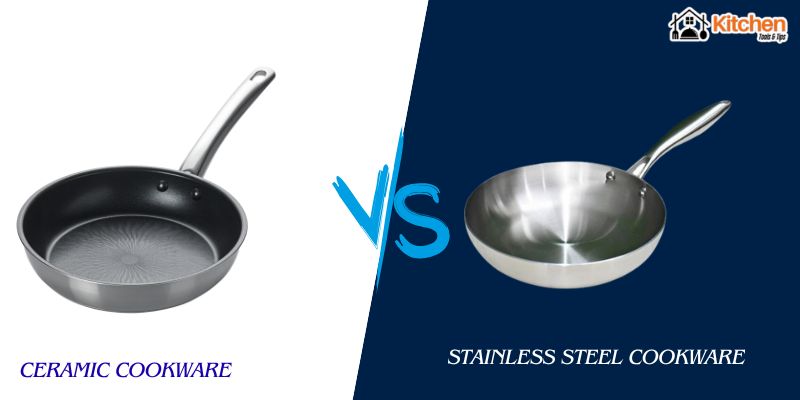
Ceramic vs Stainless Steel Cookware: Which is Best?
Choosing between ceramic vs stainless steel cookware can feel overwhelming. You want pans that cook well, last long, and keep your family safe. Both options have loyal fans. But which one fits your needs?
I’ve tested dozens of pans over ten years of cooking. I’ve burned food in both types. I’ve also made perfect meals with each. This guide shares what I learned.
You’ll discover the real differences between these popular options. You’ll learn which performs better for specific tasks. And you’ll find out which one makes sense for your budget and cooking style.
Let’s settle this debate once and for all.
What is Ceramic Cookware?
Ceramic cookware refers to pans with a ceramic coating applied to a metal base. The base is usually aluminum. This makes the pan light and heats it quickly.
The ceramic coating creates a nonstick surface. It’s made from silica (sand). Manufacturers spray it onto the metal. Then they bake it at high temperatures.
True ceramic nonstick differs from traditional nonstick pans. It contains no PTFE or PFOA. These are chemicals found in older nonstick cookware. Many people choose ceramic for this reason.
The coating looks smooth and glossy. It often comes in bright colors like white, blue, or red. Popular brands include GreenPan, Caraway, and Our Place.
A typical ceramic nonstick cookware set includes frying pans, saucepans, and a stockpot. Prices range from budget-friendly to premium. The coating quality varies widely between brands.
Ceramic performs best at low to medium heat. High heat can damage the coating over time. Most ceramic pans work on gas, electric, and some induction cooktops.
What is Stainless Steel Cookware?
Stainless steel cookware features layers of metal bonded together. The cooking surface is stainless steel. Inside, there’s usually an aluminum or copper core. This core helps spread heat evenly.
Professional chefs love stainless steel. It handles high heat without damage. It browns meat beautifully. And it lasts for decades with proper care.
The most common grade is 18/10 stainless steel. This means 18% chromium and 10% nickel. These metals prevent rust and corrosion. Lower grades like 18/0 cost less but may not perform as well.
Quality matters in stainless steel. Cheap pans have thin bases. Food burns easily in these. Good pans have thick, multi-layer construction. Brands like All-Clad, Cuisinart, and Made In are trusted names.
A stainless steel cookware set typically includes multiple pan sizes. You’ll find skillets, sauté pans, and pots. Sets range from affordable starter options to expensive professional-grade collections.
Stainless steel works on all cooktops. This includes induction. It’s also oven-safe at very high temperatures. Some pans can handle 500°F or more.
Head-to-Head Comparison
Safety and Toxicity
Ceramic wins the non toxic cookware debate for most people. The coating contains no PFOA, PTFE, lead, or cadmium. It’s made from natural materials. This gives peace of mind when cooking.
However, ceramic coating quality varies. Cheap ceramic pans may contain harmful additives. Always buy from reputable brands. Look for third-party testing certifications.
Stainless steel is also extremely safe. It’s non-reactive with acidic foods. It doesn’t leach chemicals into your meals. The only concern is nickel sensitivity. Some people react to nickel in the steel.
Both options beat old-style nonstick pans for safety. Neither releases toxic fumes when heated. You can cook without worry in either type.
Winner: Tie. Both are safe when bought from quality brands.
Cooking Performance
Stainless steel excels at high-heat cooking. It creates the best sear on steaks. It develops fond (brown bits) that make incredible pan sauces. Professional kitchens use it for this reason.
Food sticks to stainless steel initially. This is normal. Once protein develops a crust, it releases naturally. This technique takes practice to master.
Ceramic cookware heats quickly and evenly. The nonstick surface makes cooking eggs effortless. Pancakes slide right off. You need less oil or butter.
But ceramic can’t match stainless steel for browning. The nonstick property prevents fond from forming. This limits your sauce-making options.
Ceramic also has temperature limits. Most brands recommend staying below 450°F. Stainless steel handles much higher heat without issues.
Winner: Stainless steel for versatility and professional results.
Ease of Use
Ceramic nonstick cookware wins for beginners. Food rarely sticks when the pan is new. Cleanup takes seconds. You can cook with minimal fat.
Even delicate foods like fish fillets work well. The nonstick pan releases them intact. This builds confidence for new cooks.
Stainless steel requires more skill. You must preheat properly. You need adequate fat. And you must resist moving food too soon.
But once you learn the techniques, stainless steel becomes second nature. Many cooks prefer the control it offers. You can achieve results impossible with nonstick surfaces.
Winner: Ceramic for ease, especially for beginners.
Cleaning and Maintenance
Ceramic pans are easy to clean when new. A soft sponge and dish soap work perfectly. Food wipes away without scrubbing. Many are dishwasher safe, though hand washing extends their life.
The coating can stain over time. White ceramic shows discoloration from oils and spices. Bar Keeper’s Friend helps remove these stains.
Stainless steel requires more elbow grease. Stuck-on food needs soaking and scrubbing. Bar Keeper’s Friend is essential for keeping pans shiny.
However, stainless steel can handle aggressive cleaning. You can use steel wool if needed. The surface won’t scratch or damage like ceramic coating.
Both types need proper storage. Stacking without protection can cause damage. Use pan protectors or hang your cookware.
Winner: Ceramic for daily quick cleanup.
Durability and Lifespan
This is where stainless steel shines. A quality stainless cookware set can last 20-30 years or more. The surface doesn’t wear out. Minor scratches don’t affect performance.
You can pass stainless steel pans to your children. They’re a true long-term investment. Most brands offer lifetime warranties.
Ceramic coating degrades over time. Even with careful use, the nonstick properties fade. Most ceramic pans last 2-5 years. Heavy use shortens this timespan.
Metal utensils scratch ceramic coating. High heat damages it. Dishwashers can accelerate wear. Once the coating fails, you must replace the pan.
Some people accept this trade-off. They enjoy the easy cooking experience while it lasts. Others find frequent replacement frustrating and wasteful.
Winner: Stainless steel by a landslide.
Price Comparison
Entry-level ceramic cookware costs less upfront. You can find decent nonstick pans for $30-50 each. A full ceramic nonstick cookware set runs $150-300.
Budget stainless steel sets cost about the same. However, quality stainless steel is more expensive. Professional-grade pieces run $100-200 per pan.
Consider cost per year of use. A $50 ceramic pan lasting 3 years costs $16.67 annually. A $150 stainless steel pan lasting 25 years costs $6 per year.
Stainless steel offers better long-term value. The higher initial cost pays off over time. You’ll buy fewer replacements.
Winner: Ceramic for low upfront cost; stainless steel for lifetime value.
When to Choose Ceramic Cookware
Pick ceramic if you’re new to cooking. The forgiving nonstick surface builds confidence. You’ll have fewer kitchen disasters while learning.
Ceramic works great for specific foods. Eggs, pancakes, and delicate fish cook beautifully. These foods can frustrate beginners in stainless steel.
Choose ceramic if you cook mostly at low to medium heat. This matches how many people prepare everyday meals. The pans perform well in this range.
Ceramic makes sense for small kitchens too. The easy cleanup matters when space is limited. Quick dishwashing keeps tiny kitchens functional.
Finally, consider ceramic if you value non toxic cookware above all else. The peace of mind is worth it for many families.
When to Choose Stainless Steel
Professional cooks and serious home chefs need stainless steel. The performance advantages matter for complex techniques. You can’t make proper pan sauces without it.
Choose stainless steel if you want heirloom cookware. These pans last forever with care. You’ll never need to replace them.
Stainless steel suits high-heat cooking methods. Searing steaks, browning chicken, and deglazing pans all work better. The durability handles restaurant-level use.
Pick stainless steel if you hate replacing things. The one-time investment ends the cycle of buying new nonstick pans every few years.
Stainless steel also makes sense if you’re rough on cookware. It forgives metal utensils, high heat, and aggressive cleaning. Nothing you do will ruin it.
Alternative Options Worth Considering
Don’t overlook cast iron cookware. It offers natural nonstick properties when seasoned. Cast iron lasts for generations. It’s also inexpensive compared to quality stainless steel.
The downside? Cast iron is heavy. It requires specific maintenance. And it reacts with acidic foods.
Carbon steel pans combine benefits of both worlds. They’re lighter than cast iron but nearly as durable. They develop nonstick properties over time. Professional chefs use carbon steel for frying pans and woks.
Carbon steel needs seasoning like cast iron. The learning curve is steeper than ceramic or stainless steel.
Traditional nonstick pans with PTFE coating still have a place. Modern versions are safer than old ones. They’re cheap and work well for eggs. Just replace them every 2-3 years.
Frequently Asked Questions
Is ceramic cookware safer than stainless steel?
Both are very safe options. Ceramic contains no PFOA or PTFE chemicals. Stainless steel is non-reactive and stable. Choose ceramic if you have nickel sensitivity. Otherwise, both are excellent non toxic cookware choices.
Why does food stick to my stainless steel pan?
You likely need more preheating or fat. Heat the pan for 2-3 minutes on medium. Add oil and let it shimmer. Wait for protein to develop a crust before flipping. Patience is key with stainless steel.
How long does ceramic coating last?
Quality ceramic nonstick lasts 2-5 years with proper care. Avoid metal utensils and high heat. Hand wash when possible. Once the coating fails, you’ll notice food sticking more often.
Can I use metal utensils on stainless steel?
Yes! Stainless steel handles metal spatulas, whisks, and spoons without damage. This is one of its biggest advantages. You don’t need special tools.
Which heats faster, ceramic or stainless steel?
Ceramic cookware heats faster because the aluminum base conducts heat quickly. Stainless steel takes longer to preheat but maintains heat better once hot. Plan for 2-3 minutes of preheating with stainless steel.
Conclusion
The ceramic vs stainless steel cookware debate has no single winner. Your choice depends on your cooking style, budget, and priorities.
Ceramic offers easy nonstick cooking at a lower price. It’s perfect for beginners and everyday low-heat cooking. But it wears out after a few years.
Stainless steel delivers professional performance and lifetime durability. It handles any cooking technique. The higher cost pays off over decades of use.
My recommendation? Start with one quality stainless steel pan. Learn to use it properly. Keep your ceramic nonstick pan for eggs and delicate foods. This combination serves most home cooks beautifully.
Consider your cooking goals and choose accordingly. Both options can help you make delicious meals for years to come.