
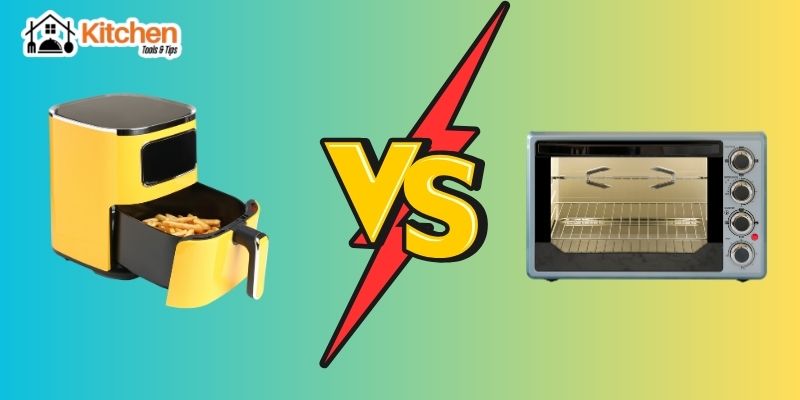
Choosing between an air fryer and a convection oven can feel overwhelming. Both appliances promise crispy, delicious food with less oil. But which one deserves a spot on your kitchen counter?
This guide breaks down everything you need to know. You’ll learn how each appliance works, what makes them different, and which one fits your cooking style best.
What Is an Air Fryer?
An air fryer is a compact countertop appliance that cooks food quickly. It uses rapid air circulation technology to create a crispy exterior without deep frying.
Inside an air fryer, a heating element warms up the air. A powerful fan then circulates this hot air around your food at high speed. This process creates a crunchy texture similar to deep-fried foods.
Air fryers come in different sizes. Most models hold between 2 to 6 quarts of food. They’re perfect for small kitchens or people cooking for one or two people.
Popular brands include Ninja, Cosori, and Philips. Prices typically range from $50 to $300 depending on size and features.
What Is a Convection Oven?
A convection oven is a full-sized oven with a built-in fan system. The fan circulates hot air throughout the cooking chamber. This creates even heat distribution and faster cooking times.
Many modern ovens come with a convection setting. You can also buy standalone countertop convection ovens. These smaller versions work well if you don’t have a built-in option.
Convection ovens are larger than air fryers. They can handle multiple dishes at once. You can roast a whole chicken, bake cookies, and cook vegetables simultaneously.
Countertop models range from $100 to $500. Built-in convection ovens cost significantly more, often $1,000 or higher.
Key Differences Between Air Fryers and Convection Ovens
Size and Capacity
Air fryers are compact. They take up minimal counter space. However, they have limited cooking capacity. You might need to cook in batches for larger families.
Convection ovens are much bigger. They can accommodate full-size baking sheets, roasting pans, and casserole dishes. This makes them ideal for cooking multiple items or large portions.
Cooking Speed
Air fryers cook faster than convection ovens. The small cooking chamber and powerful fan create intense heat circulation. Most foods cook 20-30% faster in an air fryer.
Convection ovens take longer to preheat. The larger space needs more time to reach cooking temperature. However, they still cook faster than traditional ovens.
Temperature Range
Air fryers typically heat from 180°F to 400°F. Some high-end models reach 450°F. This range works well for most everyday cooking tasks.
Convection ovens offer wider temperature control. Most range from 150°F to 500°F. This versatility allows for more cooking techniques, including slow roasting and high-heat broiling.
Air Circulation
Both appliances use fans to circulate hot air. However, air fryers create more intense airflow. The small space and powerful fan generate a “frying” effect without oil.
Convection ovens have gentler air circulation. The larger cavity means less concentrated heat. This results in even cooking but less crispiness than air fryers.
Cooking Performance Comparison
Crispiness
Air fryers win for maximum crispiness. The intense heat and compact space create restaurant-quality texture. French fries, chicken wings, and vegetables come out incredibly crunchy.
Convection ovens produce crispy results too. However, the texture isn’t quite as dramatic. Foods may need a light oil coating for the best crunch.
Versatility
Convection ovens are more versatile. You can bake cakes, roast large cuts of meat, dehydrate fruits, and even proof bread dough. The larger space and temperature range open more possibilities.
Air fryers focus primarily on “frying” without oil. While modern models include baking and roasting functions, the small size limits what you can make.
Food Quality
Both appliances produce delicious, healthier food. You’ll use less oil compared to traditional frying methods. This reduces calories and fat content significantly.
Convection ovens excel at baking. Cakes rise evenly, cookies brown perfectly, and bread develops beautiful crusts. Air fryers can bake too, but the results vary more.
Ease of Use
Air fryers are beginner-friendly. Most have simple dial controls or digital displays. You select the temperature and time, then press start. Many include preset programs for common foods.
Convection ovens require more knowledge. You’ll need to adjust recipes written for conventional ovens. Generally, you reduce the temperature by 25°F or shorten cooking time by 25%.
Cost and Energy Efficiency
Purchase Price
Air fryers cost less upfront. Basic models start around $50. Even premium air fryers with multiple functions rarely exceed $300.
Countertop convection ovens range from $100 to $500. Built-in models cost much more. Installation adds additional expense.
Energy Consumption
Air fryers use less electricity. Their small size and quick cooking times mean shorter running periods. Most air fryers use between 800 to 1500 watts.
Convection ovens consume more energy. Countertop models use 1200 to 1800 watts. Built-in ovens can use 2400 watts or more. However, they cook multiple items simultaneously, which can offset the higher energy use.
Long-Term Savings
Air fryers save money on electricity bills. The reduced cooking time means lower energy costs over months and years.
Convection ovens may save money if you cook large quantities regularly. Preparing multiple dishes at once reduces the need for separate cooking sessions.
Which One Should You Choose?
Choose an Air Fryer If:
- You live alone or cook for two people
- Counter space is limited
- You want maximum crispiness
- Quick meals are a priority
- You’re on a tight budget
- You rarely bake cakes or bread
- Energy efficiency matters most
Choose a Convection Oven If:
- You cook for a large family
- You enjoy baking regularly
- You need to prepare multiple dishes at once
- You have counter or kitchen space available
- Versatility is important
- You want one appliance for all cooking methods
- You’re replacing a traditional oven
Can You Have Both?
Many home cooks own both appliances. This combination offers maximum flexibility. Use the air fryer for quick weeknight meals. Save the convection oven for weekend baking projects and holiday gatherings.
Some newer appliances combine both functions. Air fryer toaster ovens blend the technologies in one unit. These hybrid models offer good value for people who want both cooking styles.
Conclusion
Air fryers and convection ovens both deliver excellent results. Your choice depends on your cooking needs, kitchen space, and budget.
Air fryers excel at creating crispy food quickly. They’re perfect for small households and people who value speed and efficiency. The lower price point makes them accessible to everyone.
Convection ovens offer more versatility and capacity. They handle everything from roasted meats to delicate pastries. The larger size accommodates family meals and entertaining.
Consider your daily cooking habits before deciding. Think about what you cook most often. Evaluate your available space and budget. Either choice will upgrade your cooking and help you create healthier, delicious meals.