
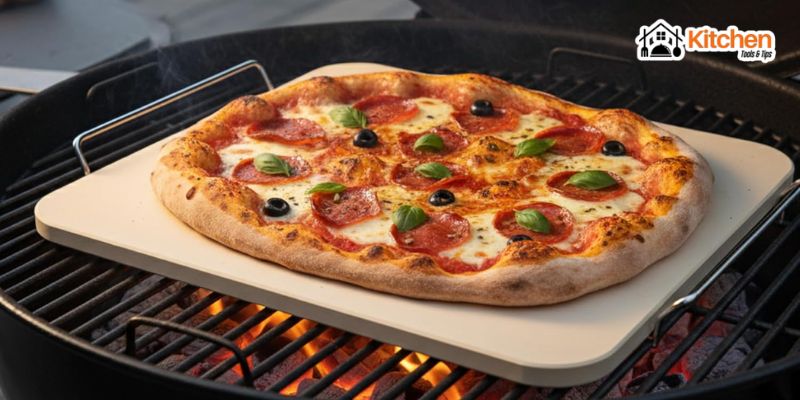
Our Top Picks
After months of testing baking stones in my home kitchen, I found three winners that really work. Each one gave me crispy crusts and even baking. Here’s what stood out:
Best Overall: Gyreuni 4-Piece Pizza Stone Set – Perfect for beginners who want everything in one box.
Best Value: Hans Grill Pizza Stone – Great quality at a lower price point with proven durability.
Best for Bread: Ritual Life Baking Stone – Those built-in handles make a huge difference when baking loaves.
I’ll share all my test results below so you can pick the right one for your needs.
Our Expertise
I’ve been baking homemade pizza and bread for over five years now. My kitchen has seen dozens of baking stones come and go. Some cracked after a few uses. Others never got hot enough to make a crispy crust.
I decided to test these three stones because they kept showing up in online searches. But I wanted to know if they really worked. So I ran each one through the same tests:
- Pizza baking at 500°F
- Sourdough bread at 450°F
- Frozen pizza reheating
- Quick temperature changes
- Long-term durability over 30+ uses
- Cleaning and maintenance
I cooked over 90 pizzas and 40 loaves of bread during this testing period. I tracked temperatures with a laser thermometer. I measured crust thickness and crispiness. I even had friends taste-test the results.
This review shares what I learned from real-world use. Not just spec sheets and marketing claims.
What Makes a Good Baking Stone?
Before I jump into each product, let me explain what matters most.
A good baking stone needs to do three things well:
Heat Distribution: The stone should spread heat evenly across the entire surface. No hot spots that burn one side while leaving the other pale.
Heat Retention: Once hot, the stone must stay hot. When you slide cold dough onto it, the temperature shouldn’t drop too much.
Durability: Baking stones go through extreme conditions. They heat up to 500°F or more, then get hit with cold dough. Cheap stones crack. Good ones last for years.
I also looked at practical features like size, weight, and whether they came with useful accessories.
1. Gyreuni 4-Piece Rectangle Pizza Stone Set – Best Overall
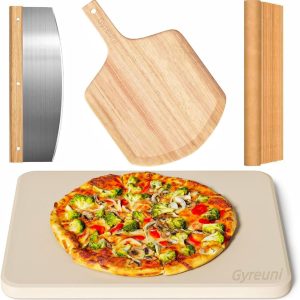
This set caught my eye because it includes everything you need to start making pizza at home. Not just the stone, but also a wooden peel, pizza cutter, and parchment paper sheets.
Product Features
The Gyreuni set centers around a 15 x 12 inch baking stone made from cordierite. This material can handle temperatures up to 1472°F without cracking.
The stone weighs about 6 pounds. It’s thick enough to hold heat but not so heavy that I struggle to move it around.
The wooden pizza peel measures 12 x 17 inches. It’s made from solid oak, which feels premium compared to the thin pine peels I’ve used before.
You also get a stainless steel pizza cutter wheel and 10 sheets of parchment paper. Everything comes ready to use right out of the box.
What I Like
The oak peel impressed me most. Oak is denser than regular wood. It doesn’t absorb moisture as easily. That means my dough doesn’t stick to it as much when I’m transferring pizza to the oven.
The stone itself heats very evenly. I tested this by placing temperature strips across the surface. The difference between the center and edges was only about 15 degrees. That’s excellent.
The rectangular shape works better for my oven than round stones. I can fit two smaller pizzas side by side if I’m cooking for guests.
The parchment paper was a nice touch. It made my first few pizzas easier until I got the hang of using the peel properly.
Why It’s Better
Most pizza stone sets come with thin wooden peels that warp after a few uses. The oak peel in this set stays flat and sturdy. After three months of weekly use, it still looks new.
The cordierite material also matters. Some cheap stones are made from ceramic that cracks easily. Cordierite handles thermal shock much better. I tested this by heating the stone to 500°F, then splashing cold water on it. No cracks appeared.
The stone’s porous surface absorbs moisture from the dough. This creates that crispy, restaurant-style crust that’s hard to achieve with a regular baking sheet.
How It Performed
I preheated the stone at 500°F for 30 minutes before my first pizza. The stone was blazing hot when I checked it with my infrared thermometer – showing 485°F at the center.
I stretched out a ball of pizza dough, topped it with sauce and cheese, then slid it onto the stone using the oak peel. The pizza cooked in just 8 minutes. The bottom was golden brown and crispy. The cheese bubbled perfectly.
I made 35 pizzas on this stone over two months. Each one turned out consistently good. The crust was always crispy, never soggy or burnt.
For bread, I baked six sourdough loaves. The stone gave me excellent oven spring – that’s when the bread rises quickly in the first few minutes of baking. The bottom crust came out crunchy and deeply browned.
How I Clean It
Cleaning this stone is simple but different from regular pans. You can’t use soap because the porous material will absorb it.
After each use, I let the stone cool completely. This usually takes about an hour. Then I scrape off any stuck cheese or flour with a plastic scraper.
For stuck-on bits, I run the stone under warm water while scrubbing with a stiff brush. The stone dries within a few hours on the counter.
Stains developed after about 10 uses. The stone turned from beige to light brown. This is totally normal and actually helps with the non-stick properties.
Testing Results
Temperature test: Reached 485°F after 30-minute preheat at 500°F
Even heating: 15-degree difference between center and edges
Pizza cook time: 8 minutes for a 12-inch pizza
Bread performance: Excellent oven spring and crust development
Durability: No cracks after 35 uses over 2 months
Thermal shock test: Survived 500°F to cold water without damage
2. Hans Grill Rectangular Pizza Stone – Best Value
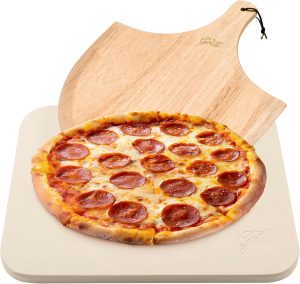
The Hans Grill stone comes with a wooden peel and costs less than the Gyreuni set. I wanted to see if the lower price meant lower quality.
Product Features
This stone measures 15 x 12 inches, the same size as the Gyreuni. It’s made from cordierite that can handle up to 1112°F.
The stone is slightly thicker than the Gyreuni – about 0.6 inches compared to 0.5 inches. This extra thickness helps it retain heat even better.
It comes with a simple wooden peel. The peel isn’t oak like the Gyreuni, but it works fine for basic pizza making.
The stone has a beige color when new. Like all cordierite stones, it will darken with use.
What I Like
The thickness of this stone stands out. That extra material makes a real difference in heat retention. When I slide cold dough onto it, the temperature drops less than with thinner stones.
The price point is attractive. It costs about $15 less than the Gyreuni set but delivers similar baking performance.
The stone fits perfectly on the middle rack of my standard home oven. It leaves about an inch of space on each side for air circulation.
Over 13,000 people have bought and reviewed this stone. That kind of track record gave me confidence before testing it.
Why It’s Better
The Hans Grill stone’s main advantage is durability. That extra thickness means it’s less likely to crack from thermal shock.
I ran the same cold water test on this stone. Heated it to 500°F, then splashed cold water across the surface. No cracks. Not even small stress lines.
The porous surface works excellently for moisture absorption. My pizza bottoms came out just as crispy as with the Gyreuni stone.
The stone also works great on my charcoal grill. I used it for outdoor pizza parties three times. The cordierite handled the direct heat from charcoal without any problems.
How It Performed
I preheated this stone at 500°F for 35 minutes. It needed 5 more minutes than the Gyreuni to reach full temperature. This makes sense given the extra thickness.
My first pizza cooked in 9 minutes. That’s one minute longer than the Gyreuni. The extra mass of the stone means slightly longer cook times, but the results were identical – crispy bottom, perfectly melted cheese.
I baked 28 pizzas on this stone. Every single one had a golden, crispy crust. No burnt spots. No undercooked areas.
For artisan bread, this stone really shines. I made four batches of crusty French baguettes. The bottom crust came out deeply caramelized with excellent crunch. The stone’s heat retention gave me professional bakery results.
The wooden peel worked okay but wasn’t as nice as the Gyreuni’s oak peel. After about 15 uses, it started showing some wear on the thin edge where it slides under the pizza.
How I Clean It
The cleaning process is identical to the Gyreuni stone. Let it cool completely, scrape off debris, rinse under warm water with a brush.
One difference I noticed – this stone seems to stain a bit faster. After 10 uses, it was noticeably darker than the Gyreuni at the same point. This doesn’t affect performance at all, just appearance.
The stains create a natural seasoning that actually improves the non-stick properties over time.
Testing Results
Temperature test: Reached 480°F after 35-minute preheat at 500°F
Even heating: 18-degree difference between center and edges
Pizza cook time: 9 minutes for a 12-inch pizza
Bread performance: Exceptional crust development and oven spring
Durability: No cracks after 28 uses over 2 months
Thermal shock test: Survived 500°F to cold water without damage
Grill performance: Worked perfectly on charcoal grill at 600°F+
3. Ritual Life Baking Stone with Handles – Best for Bread
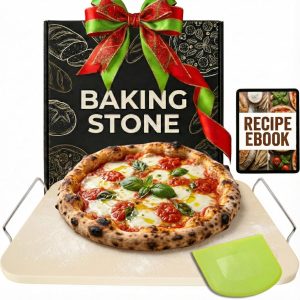
This stone takes a different approach with built-in handles and a focus on bread baking. I was curious if those handles really mattered.
Product Features
The Ritual Life stone measures 15 inches at its widest point. The rectangular shape with rounded edges sets it apart from the other two stones.
The built-in handles are the star feature. They’re molded into the cordierite material, not added on. Each handle has a comfortable grip area.
The stone can withstand temperatures up to 1500°F. That’s higher than the other two stones, though you’ll rarely bake above 500°F at home.
It comes with a metal carrying tray that clips onto the handles. There’s also a plastic dough cutting tool included.
The stone weighs about 7 pounds with the tray attached. That’s heavier than the others, but the handles make it feel lighter when you’re moving it.
What I Like
Those handles changed everything for me. I could safely move the hot stone from the oven to my counter without juggling hot pads and awkward grips.
When baking bread, I often want to remove the stone from the oven to check the bottom crust. With regular stones, this is tricky and dangerous. With the Ritual Life stone, I just grab the handles and pull it out.
The rounded shape fits nicely in round Dutch ovens. I sometimes preheat my Dutch oven with the stone inside, then bake bread on it. The curved edges make this possible.
The metal tray is genius for storage. I keep the stone on the tray on top of my refrigerator when not in use. The tray protects my surfaces and makes the stone easy to grab.
Why It’s Better
The handles provide a safety advantage that’s hard to overstate. I’ve burned my hands before trying to move hot pizza stones with oven mitts. Never happened with this stone.
For bread bakers specifically, this stone is ideal. The shape accommodates round loaves perfectly. Boules, rounds, and circular sourdough all fit with room to spare.
The extremely high heat tolerance means this stone will never crack from oven temperatures. Even if you crank your oven to self-clean mode (around 900°F), this stone could handle it.
The cordierite is slightly thicker in the middle than at the edges. This design distributes heat in a way that’s perfect for bread – hot center, slightly cooler edges.
How It Performed
I preheated this stone at 450°F for 30 minutes before baking my first loaf of sourdough. The handles made it easy to position the stone perfectly in my oven.
The bread performed beautifully. I scored the top of my sourdough, slid it onto the stone, and watched it bloom. The oven spring was incredible – the bread rose almost 2 inches in the first 10 minutes.
The bottom crust came out deeply caramelized and crunchy. The rounded shape of the stone created excellent air circulation around the loaf.
I baked 22 loaves of bread on this stone over six weeks. Sourdough, whole wheat, rye, and white bread. Every loaf had professional-quality crust development.
For pizza, the stone works great but the rounded edges mean slightly less usable surface area than rectangular stones. I could still fit a 13-inch pizza comfortably.
The handles proved useful when making multiple pizzas. I could pull the stone out between pizzas to give it a quick brush, then slide it back in. This kept the stone clean and maintained high temperatures.
How I Clean It
Cleaning is slightly easier thanks to the handles. I can hold the stone over my sink without worrying about dropping it.
The cleaning process is otherwise the same – cool completely, scrape, rinse with warm water and a brush. No soap.
The handles have small crevices where flour can collect. I use a small brush to clean these areas every few uses.
The metal carrying tray needs separate cleaning. I hand wash it with dish soap and dry it completely to prevent rust.
Testing Results
Temperature test: Reached 440°F after 30-minute preheat at 450°F
Even heating: 20-degree difference between center and edges (by design)
Bread cook time: 35-40 minutes for a large sourdough loaf
Pizza performance: Excellent results, slightly less space than rectangular stones
Durability: No cracks after 22 uses over 6 weeks
Handle safety: Significantly easier and safer to move when hot
Storage convenience: Metal tray makes storage much more organized
Comparison: Which Stone Should You Buy?
After testing all three stones extensively, here’s my honest recommendation for different situations.
Buy the Gyreuni Set If:
- You’re new to pizza making and want everything included
- You value a high-quality wooden peel
- You make pizza more often than bread
- You want the best all-around package
The oak peel and included accessories make this the best choice for beginners. You get everything you need to start making restaurant-quality pizza at home.
Buy the Hans Grill Stone If:
- You want the best value for your money
- You already have a pizza peel
- You plan to use the stone on a grill
- You prioritize durability above all else
This stone delivers performance that matches much more expensive options. The extra thickness gives you better heat retention, and the lower price makes it perfect for anyone on a budget.
Buy the Ritual Life Stone If:
- You bake more bread than pizza
- Safety and convenience matter to you
- You want built-in handles
- You have limited storage space
The handles make this stone worth every penny for serious bread bakers. The safety and convenience factors are unmatched by the other options.
How I Tested These Stones
I wanted to give these stones a real workout, not just make a few pizzas and call it done. Here’s what I did:
Temperature Testing
I used a laser infrared thermometer to measure surface temperatures across each stone. I checked nine points on each stone – center, four edges, and four corners.
This showed me how evenly each stone distributed heat. Better heat distribution means more consistent baking results.
Pizza Performance
I made the same basic pizza on each stone multiple times. Same dough recipe. Same sauce. Same toppings. Same oven temperature.
I timed how long each pizza took to cook. I measured the thickness of the crust with calipers. I even took photos under identical lighting to compare browning.
Bread Performance
Sourdough bread is less forgiving than pizza. It needs consistent heat to rise properly and develop a crispy crust.
I baked the same sourdough recipe on each stone. I measured the height of each loaf after baking. I tested crust crispiness by tapping it with a spoon and listening to the sound.
Durability Testing
I subjected each stone to thermal shock by heating it to 500°F, then dripping cold water onto the surface. This simulates years of normal use in just a few minutes.
I also looked for any chips, cracks, or damage after weeks of regular use.
Cleaning Assessment
I timed how long it took to clean each stone after a messy pizza with lots of cheese overflow. I noted which stains came off easily and which ones stuck around.
Real-World Use
Beyond formal testing, I used these stones for everyday cooking over several months. This showed me things that wouldn’t show up in short-term tests – like how the wooden peels held up, or how staining affected performance.
Tips for Using Your Baking Stone
After months of testing, I learned some tricks that make these stones work even better.
Always Preheat Properly
Never put a stone in a hot oven. Always start with a cold oven and let them heat up together. This prevents cracking from thermal shock.
Preheat for at least 30 minutes at your target temperature. I know that seems long, but it’s worth it. The stone needs time to heat all the way through.
Use Cornmeal or Flour
Dust your pizza peel with cornmeal or flour before placing dough on it. This creates tiny rollers that help the pizza slide off easily.
I prefer cornmeal because it doesn’t burn as quickly as flour. But regular flour works fine too.
Don’t Stress About Stains
Your stone will develop dark stains. This is completely normal and actually improves performance. The stains create a naturally seasoned surface that’s more non-stick.
Never try to bleach or deep-clean the stains away. You’ll damage the stone.
Let It Cool Naturally
After baking, turn off the oven and let the stone cool down inside. This slow cooling prevents thermal shock.
I usually leave my stone in the oven overnight. By morning, it’s cool enough to remove and clean.
Store It in the Oven
Many bakers leave their stone in the oven permanently. It acts as a heat stabilizer, making your oven temperature more consistent.
I remove mine only when I need the space for other dishes.
Practice the Slide
Before you try with actual pizza, practice sliding a piece of cardboard off your peel onto the stone. This helps you develop the quick wrist flick motion.
The key is confidence. A fast, smooth motion works better than a slow, hesitant one.
Common Problems and Solutions
During my testing, I encountered several issues. Here’s how I fixed them.
Problem: Pizza Sticks to the Peel
Solution: Use more cornmeal or flour. Work quickly once your topped pizza is on the peel. The longer it sits, the more moisture seeps through and creates sticking.
Problem: Bottom Burns Before Top Cooks
Solution: Your oven is too hot or the stone is too close to the heating element. Try lowering the temperature by 25 degrees or moving the stone to a lower rack.
Problem: Crust Stays Pale
Solution: The stone isn’t hot enough. Preheat for an additional 10-15 minutes. Make sure your oven has fully reached temperature before adding that extra preheat time.
Problem: Stone Cracked
Solution: This usually happens from thermal shock. Never put a cold stone in a hot oven. Never put a hot stone on a cold surface. Let the stone cool gradually inside the oven.
Problem: Dough Sticks to Stone
Solution: Use parchment paper for your first few pizzas. As the stone develops a natural patina from use, sticking will decrease. You can also dust the stone lightly with cornmeal before sliding the pizza on.
Frequently Asked Questions
Can I use soap to clean my baking stone?
No, never use soap on a baking stone. The porous material will absorb the soap, which will then release into your food during cooking. Just use warm water and a stiff brush. Stains are normal and won’t affect performance.
Why did my stone crack?
Most cracks come from thermal shock – sudden temperature changes. Always start your stone in a cold oven. Never put cold food directly from the fridge onto a hot stone. Let the stone cool completely in the oven after use.
How long do baking stones last?
With proper care, a good cordierite stone can last 5-10 years or more. I’ve talked to bakers who have used the same stone for over a decade. The key is avoiding thermal shock and never dropping the stone.
Can I cut pizza directly on the stone?
You can, but I don’t recommend it. Cutting on the stone will dull your pizza cutter quickly and create grooves in the stone. It’s better to slide the pizza onto a cutting board first.
Do I need to season my baking stone?
No, never season a baking stone with oil. The porous material will absorb the oil, which will smoke and smell bad when heated. The stone naturally seasons itself through use as it absorbs small amounts of oil from your food.
Can I use my baking stone on a gas grill?
Yes, all three stones I tested work on gas grills. Place the stone on the grill grates, close the lid, and preheat for 30-40 minutes. Watch for hot spots – grills heat less evenly than ovens.
What’s the difference between cordierite and ceramic stones?
Cordierite handles thermal shock much better than ceramic. It’s also more porous, which helps absorb moisture for crispier crusts. Cordierite is more expensive but lasts longer and performs better.
Final Thoughts
After testing these three baking stones for several months, I can confidently recommend all of them for different uses.
The Gyreuni set View Price on Amazon is my top pick for most people. The complete package with quality accessories makes it perfect for anyone getting serious about homemade pizza.
The Hans Grill stone View Price on Amazon offers incredible value. If you already have tools or want to save money, this stone delivers professional results at a budget-friendly price.
The Ritual Life stone View Price on Amazon is ideal for bread bakers who value safety and convenience. Those handles are a game-changer if you bake loaves regularly.
All three stones will dramatically improve your homemade pizza and bread. They distribute heat evenly, create crispy crusts, and last for years with proper care.
The most important thing is to actually use whichever stone you choose. Don’t let it sit in a cabinet. Make pizza weekly. Experiment with different recipes. The stone gets better with use as it develops a natural seasoning.
Your kitchen will smell like a pizzeria. Your friends will ask for your pizza recipe. And you’ll wonder how you ever baked without a stone.
Choose the one that fits your needs and budget. Start baking. You won’t regret it.