
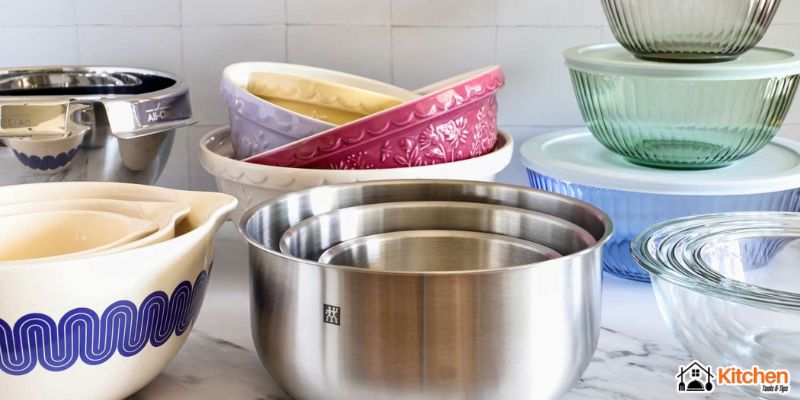
Best Mixing Bowls for Meal Prep
Meal prep only works when your tools work with you. The wrong bowl set slows you down. Lids that do not seal properly let food dry out in the fridge. Bowls that are too small force you to work in awkward batches. Bowls without a stable base slide around while you mix large amounts of ingredients.
I meal prep every single week. I cook for my family in bulk on Sundays. Over the years I have tested many different bowl sets, materials, and sizes. I know exactly what works and what causes frustration when you are cooking in volume.
In this guide I will walk you through the best mixing bowls for meal prep. I will cover which materials work best, what features to look for, which sizes you actually need, and how to build a bowl set that makes weekly cooking faster and easier.
Let us get into it.
Why Your Bowl Set Matters for Meal Prep
Meal prep is different from everyday casual cooking. You are not just making one dish. You are preparing multiple recipes at once. You need to mix, marinate, store, and organize several components in the same session.
This puts real demands on your kitchen bowls. They need to:
- Handle large volumes of food without being too heavy to manage
- Seal tightly so food stays fresh in the fridge for days
- Go from prep station to fridge without transferring food to separate containers
- Stack and store efficiently when not in use
- Clean up quickly so you can move on to the next task
- Be durable enough to handle weekly heavy use over months and years
A bowl that is great for casual weeknight cooking is not always right for serious meal prep. The requirements are different. Your bowl set needs to match those specific demands.
The Three Best Materials for Meal Prep Bowls
Material is the first decision you need to make. Here are the three main options and how they perform for meal prep specifically.
Stainless Steel Mixing Bowls
Stainless steel mixing bowls are my top choice for meal prep. Here is why.
They are lightweight even in large sizes. When you are loading up a big bowl with a full batch of marinated chicken or a large grain salad, the last thing you want is a heavy bowl adding to the load.
They are completely non-porous. This means they do not absorb odors or stains from any of the foods you prep. You can use the same steel bowl for a garlic marinade and a fruit salad. Rinse it well and it is totally neutral for the next task.
A stainless steel mixing bowl handles temperature well. You can place it directly into the fridge. You can also use it over a pot of simmering water as a double boiler when your recipes call for melting or heating ingredients. That temperature flexibility saves time during a meal prep session.
Stainless steel bowl sets with lids are the gold standard for meal prep. The lids turn every bowl into a storage container. You mix directly in the bowl and move it straight to the fridge with the lid snapped on. No extra containers. No extra dishes. No extra steps.
Glass Mixing Bowls
Glass bowls have a legitimate place in a meal prep kitchen. They are microwave safe, which is a real practical advantage. If your healthy meal recipes call for melting butter, softening cream cheese, or heating a sauce in the microwave, glass mixing bowls handle that without needing a separate container.
Glass bowls also let you see the contents clearly from every angle. When you have multiple bowls of prepped food stored in the fridge, seeing through the sides helps you quickly identify what is inside without lifting every lid.
The main drawback of glass bowls for meal prep is weight. Large glass mixing bowls get very heavy when full of food. Moving a large glass bowl from the counter to the fridge while full requires care and effort. In a long meal prep session where you are lifting and moving bowls repeatedly, this adds up.
Glass bowls also require more careful handling. A drop onto a hard floor usually means a shattered bowl and a ruined batch of prepped food. For a busy, fast-moving meal prep session, that risk is real.
I keep glass bowls in my kitchen for specific microwave tasks and for serving. But my primary meal prep work happens in stainless steel.
Metal Bowls
Metal bowls is a broader category that includes stainless steel but also covers aluminum and other metals. For meal prep, stainless steel is the best metal choice.
Aluminum metal bowls are reactive with acidic foods. Marinades with lemon juice, vinegar, or tomato should not sit in aluminum for extended periods. Stainless steel has no such limitation. It is completely safe with all food types across any marinating time.
The durability and food safety of stainless steel make it the right metal bowl choice for meal prep every time.
Features to Look for in Meal Prep Mixing Bowls
Once you know your material, look for these specific features. They make a real difference in how well a bowl set works for weekly cooking.
Tight-Fitting Lids
This is the single most important feature for meal prep. Lids that seal tightly keep food fresh for days in the fridge. Loose lids let air in and food dries out faster.
Look for lids that snap or lock into place. Press-fit lids that grip the rim firmly are better than lids that just sit on top loosely. Test the fit if you can before buying. If you are ordering online, read customer reviews specifically about lid quality and seal.
Meal prep without good lids means transferring food from mixing bowls to separate storage containers after every recipe. That doubles your dishes and doubles your cleanup time. A bowl set with proper lids eliminates that entire step.
Non-Slip Base
During meal prep you are mixing large amounts of ingredients. Thick marinades, large batches of dough, and big salads all require real mixing effort. A bowl that slides around the counter during this work is genuinely frustrating.
A rubber or silicone base on the bottom of each bowl grips the counter firmly and holds the bowl steady. This keeps both your hands free for mixing. It reduces spills. And it makes the whole session more controlled and efficient.
This is a feature I consider non-negotiable for a serious meal prep bowl set.
Multiple Sizes
Meal prep means working on multiple recipes at once. You need a bowl for marinating protein, a bowl for mixing a grain, a bowl for a sauce, and prep bowls for holding chopped vegetables and measured spices.
A five-piece nesting bowls set gives you the range you need. Small bowls handle sauces and measured ingredients. Medium bowls handle single-recipe batches. Large cooking bowls handle bulk proteins and big salads. Extra large baking bowls handle double batches and bulk grain cooking.
Having the right size for each component means cleaner work and less mess throughout the session.
Nesting Design
Cabinet and counter space is limited during a meal prep session. Nesting bowls stack inside each other when not in use. A full five-piece nesting set takes up the space of just the largest bowl in your cabinet.
This matters during prep too. When you finish with a smaller bowl, you can nest it into a larger one temporarily to free up counter space. That flexibility is valuable when you are running multiple tasks at once.
Best Bowl Set Configurations for Meal Prep
Here are the configurations I recommend based on different meal prep needs.
For Solo Meal Preppers
If you cook for one or two people, a three-piece stainless steel mixing bowl set with lids covers your needs. You get a small bowl for sauces and seasoning mixes, a medium bowl for single protein batches, and a large bowl for salads and grain dishes.
This compact setup does not take up much counter or cabinet space. It is easy to manage during a quick weekly session. The lids seal everything for fridge storage and the nesting design keeps storage simple.
For Family Meal Preppers
If you cook for a family of four or more, you need a five-piece nesting bowl set at minimum. Preferably with lids on every bowl.
A full size range from extra small to extra large gives you a bowl for every component of every recipe. You can work on three or four dishes simultaneously with dedicated bowls for each. The large and extra large cooking bowls handle the bulk volumes that family meal prep requires.
This is the setup I use personally. It handles everything from single-cup sauce batches to full sheet pan marinades without ever running short of space.
For Batch Bakers
If your meal prep includes baking bowls for muffins, bread, energy bars, or baked goods, the requirements shift slightly.
You still want stainless steel for most tasks. But having one or two glass mixing bowls in your setup adds microwave functionality for melting butter, tempering chocolate, or warming liquids that your baking recipes require.
A five-piece steel bowl set plus two glass bowls gives batch bakers full coverage for every step of their healthy meal baking recipes.
My Personal Meal Prep Bowl Setup
I want to share exactly what I use in my own kitchen so you can see how this looks in practice.
I use a five-piece stainless steel mixing bowl set with lids and silicone bases as my primary meal prep tools. The set includes bowls from extra small to extra large. Every bowl has a tight-fitting lid that creates a proper seal.
During a typical Sunday session I use all five bowls simultaneously. The extra small bowl holds measured spices and seasoning blends. The small bowl holds a sauce or dressing. The medium bowl holds a grain salad or single vegetable dish. The large bowl holds marinating protein. The extra large bowl handles a full batch of something that needs a lot of room.
At the end of the session I snap the lids on every bowl and move them directly to the fridge. The entire kitchen cleanup takes about fifteen minutes because I have not dirtied any separate storage containers.
I also keep two glass bowls in my kitchen. One small and one medium. These handle all my microwave tasks during prep and double as serving pieces during the week.
This setup has been my standard for two years. It is the most efficient meal prep bowl configuration I have found.
Top Tips for Using Mixing Bowls in Meal Prep
These habits make your bowl set work even better during weekly cooking sessions:
- Label the lids with masking tape and a marker so you know what is in each bowl without opening them
- Chill your stainless steel bowl before making dressings or marinades that benefit from staying cold
- Use the smallest bowl that fits the job to keep counter space free for other tasks
- Prep dry spice mixes in extra small bowls and keep them ready before you start cooking
- Rinse bowls as soon as you empty them so food does not dry and stick
- Place a damp cloth under any bowl without a silicone base to prevent sliding
- Use your largest bowl for tossing and coating proteins before dividing into portions
Frequently Asked Questions
What is the best material for meal prep mixing bowls? Stainless steel is the best material for meal prep. It is lightweight, durable, non-porous, and works across temperature ranges from fridge cold to double boiler heat. A stainless steel mixing bowl set with tight-fitting lids handles every step of meal prep from mixing to fridge storage in the same bowl. It is the most practical and efficient choice for weekly cooking.
Do I need lids on my meal prep bowls? Yes. Lids are essential for meal prep. They turn your cooking bowls into storage containers so you can mix and store in the same bowl without extra transfers. Lids keep food fresh in the fridge for days. They reduce cleanup by eliminating the need for separate storage containers. A bowl set with tight-fitting lids saves significant time every week.