
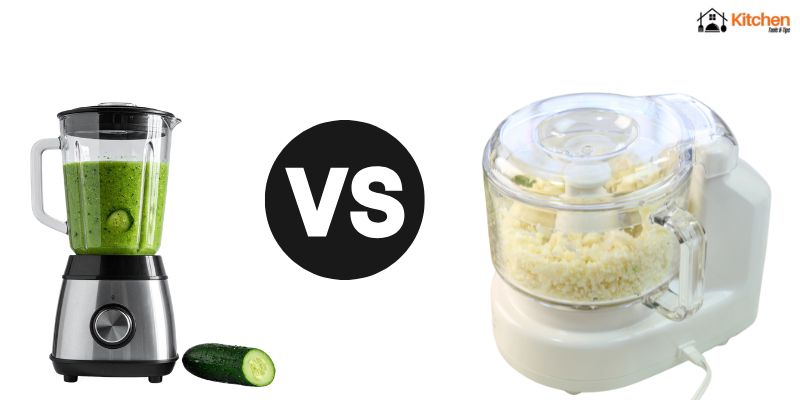
Choosing between a blender and a food processor can feel confusing. Both appliances sit on your kitchen counter and chop food. But they work differently and serve unique purposes.
This guide breaks down the differences between these two kitchen tools. You’ll learn which one fits your cooking style and needs.
What Is a Blender?
A blender is a kitchen appliance designed to mix liquids and create smooth textures. It has a tall, narrow container with sharp blades at the bottom.
Blenders work best with liquids. The motor spins the blades at high speeds, creating a vortex that pulls ingredients down. This action makes smooth mixtures like smoothies, soups, and sauces.
Most blenders come in two types: countertop blenders and immersion blenders. Countertop models are more powerful and handle larger batches. Immersion blenders are handheld and work directly in pots or bowls.
Popular blender brands include Vitamix, Ninja, and Nutribullet.
What Is a Food Processor?
A food processor is built to chop, slice, shred, and mix solid foods. It has a wide, short bowl with various blade attachments.
Food processors use a wider base and slower speeds compared to blenders. The design allows you to process larger quantities of solid ingredients. You can chop vegetables, make dough, shred cheese, or slice potatoes in seconds.
Most food processors come with multiple discs and blades. These attachments help you perform different tasks without switching appliances.
Cuisinart, KitchenAid, and Breville make some of the best food processors on the market.
Key Differences Between Blenders and Food Processors
Understanding the main differences helps you choose the right tool:
Container Shape: Blenders have tall, narrow jars. Food processors have wide, shallow bowls. This affects how ingredients move and process.
Blade Design: Blender blades sit at the bottom and create a vortex. Food processor blades reach higher and slice through ingredients horizontally.
Speed and Power: Blenders typically spin faster and work better with liquids. Food processors run at slower speeds but handle tougher solid foods.
Texture Results: Blenders create smooth, liquid textures. Food processors give you more control over texture, from coarse to fine.
Capacity: Food processors usually hold more solid ingredients. Blenders work better for smaller batches of liquids.
Versatility: Food processors offer more attachments for different tasks. Blenders focus mainly on blending and mixing.
When to Use a Blender
Blenders excel at specific kitchen tasks:
Making Smoothies: Blenders turn fruits, vegetables, ice, and liquids into smooth drinks. The high speed breaks down fibrous ingredients completely.
Creating Soups: You can blend cooked vegetables and broth into creamy soups. Some high-powered blenders even heat soup through friction.
Preparing Sauces: Blenders make smooth sauces like pesto, salsa, and marinara. The texture comes out consistently smooth.
Crushing Ice: Most blenders handle ice well. You can make frozen drinks, slushies, and cocktails easily.
Making Nut Butters: High-powered blenders turn nuts into creamy butters. This requires a strong motor and patience.
Blending Batters: Thin batters for pancakes or crepes blend perfectly in a blender.
When to Use a Food Processor
Food processors shine in different situations:
Chopping Vegetables: Quickly chop onions, carrots, celery, and other vegetables. You control the texture from coarse to fine.
Shredding and Slicing: Use different discs to shred cheese, cabbage, or carrots. Slice potatoes, cucumbers, or tomatoes uniformly.
Making Dough: Food processors knead pizza dough, pie crust, and bread dough. The pulse function gives you control.
Grinding Meat: Process raw meat into ground meat for burgers or sausages.
Making Hummus: Create thick, chunky dips and spreads. Food processors handle thick mixtures better than blenders.
Preparing Pesto: While blenders work too, food processors give you better texture control for chunky pesto.
Mixing Dry Ingredients: Combine flour, butter, and other dry ingredients for baking.
Can One Replace the Other?
You might wonder if you can use one appliance for everything. The answer is sometimes, but not ideally.
Using a Blender as a Food Processor: You can chop vegetables in a blender using the pulse function. But results are less consistent. Ingredients at the bottom get over-processed while those at the top stay chunky. Blenders also struggle with dry ingredients.
Using a Food Processor as a Blender: Food processors can make some smoothies and soups. But the texture won’t be as smooth. The wide bowl design doesn’t create the vortex needed for perfectly blended drinks. You’ll also need more liquid to get things moving.
Some modern appliances try to do both jobs. These combination units save counter space but often compromise on performance.
Which One Should You Buy?
Your decision depends on your cooking habits:
Choose a Blender If You:
- Make smoothies or protein shakes daily
- Love soups and creamy sauces
- Prepare frozen drinks and cocktails
- Have limited counter space
- Want a simpler, single-purpose tool
Choose a Food Processor If You:
- Cook meals from scratch regularly
- Chop lots of vegetables
- Bake bread, pizza, or pastries
- Prepare large batches of food
- Need multiple food prep functions
Buy Both If You:
- Cook and blend frequently
- Have the budget and counter space
- Want the best tool for each job
- Meal prep for the whole week
For most home cooks, a blender comes first. It covers more everyday tasks like making smoothies and soups. Add a food processor later when your cooking becomes more advanced.
Budget matters too. Good blenders start around $50, while quality food processors begin at $100. High-end models of both can cost $400 or more.
Conclusion
Blenders and food processors both help in the kitchen, but they serve different purposes. Blenders create smooth, liquid mixtures. Food processors chop, slice, and handle solid foods with precision.
Think about what you cook most often. If you blend drinks and soups daily, start with a blender. If you chop vegetables and make dough regularly, choose a food processor.
Many serious home cooks eventually own both. Each appliance does its job better than the other. The right choice depends on your cooking style, budget, and kitchen space.
Start with the tool that matches your needs today. You can always add the other one later as your cooking skills and needs grow..