
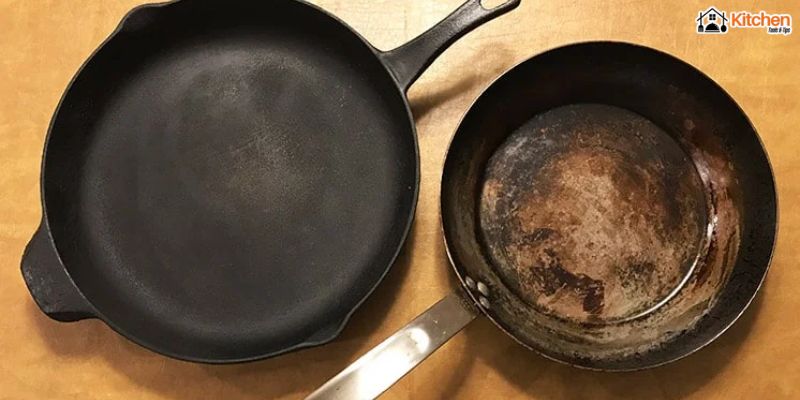
Choosing the right skillet can transform your cooking. Two popular options stand out: cast iron and carbon steel. Both offer excellent performance and durability. But they have key differences that matter.
This guide breaks down everything you need to know. You’ll learn which pan fits your cooking style best.
What Is a Cast Iron Skillet?
A cast iron skillet is made from molten iron poured into a mold. The result is a thick, heavy pan that lasts for generations.
Cast iron has been used for centuries. It’s known for incredible heat retention and even cooking. Many cooks pass these pans down through families.
Popular brands include Lodge, Le Creuset, and Staub. You can find bare cast iron or enameled versions.
What Is a Carbon Steel Skillet?
Carbon steel skillets are made from iron and carbon alloy. They’re formed by spinning or stamping metal sheets.
These pans are lighter than cast iron but just as durable. Professional chefs love them for their responsiveness and versatility.
Brands like Matfer Bourgeat, De Buyer, and Made In produce quality carbon steel cookware.
Key Differences Between Cast Iron and Carbon Steel
Let’s compare these two skillets across five important factors.
Weight and Handling
Cast iron skillets are heavy. A 12-inch pan typically weighs 8 to 10 pounds. This makes them harder to lift and maneuver.
Carbon steel pans are much lighter. A similar size weighs about 5 pounds. You can flip food easily and move the pan with one hand.
Winner: Carbon steel wins for everyday handling and comfort.
Heat Retention and Distribution
Cast iron holds heat exceptionally well. Once hot, it stays hot. This makes it perfect for searing steaks or maintaining steady frying temperatures.
However, cast iron heats unevenly. Hot spots can form if you don’t preheat properly.
Carbon steel heats up faster and more evenly. It responds quickly when you adjust the temperature. But it doesn’t hold heat as long as cast iron.
Winner: Cast iron for heat retention, carbon steel for even heating and responsiveness.
Seasoning and Maintenance
Both pans need seasoning. This creates a natural nonstick surface through layers of polymerized oil.
Cast iron requires more careful seasoning. The thicker surface takes longer to build up a good patina. It’s also more prone to rust if not dried properly.
Carbon steel develops seasoning faster. The thinner metal responds well to regular use. Maintenance is similar but slightly easier.
Both pans should be:
- Hand washed (no dishwasher)
- Dried immediately
- Lightly oiled after cleaning
- Never soaked in water
Winner: Carbon steel edges out cast iron with faster seasoning.
Cooking Performance
Cast iron excels at:
- Searing meat
- Baking cornbread
- Slow cooking and braising
- Oven-to-table dishes
- Deep frying
Carbon steel shines for:
- Stir-frying
- Sautéing vegetables
- Making omelets
- Quick-cooking proteins
- Restaurant-style cooking
Both create beautiful crusts on food. Both work on all heat sources including induction and campfires.
Winner: Tie – each excels in different cooking methods.
Price
Cast iron skillets are generally affordable. You can find quality pans for $20 to $50. High-end enameled versions cost more.
Carbon steel pans run slightly higher. Expect to pay $30 to $80 for good quality. But they’re still budget-friendly compared to stainless steel or copper.
Both offer excellent value given their lifetime durability.
Winner: Cast iron is usually cheaper.
When to Use Cast Iron
Choose cast iron if you:
- Cook dishes that need steady, high heat
- Make recipes that go from stovetop to oven
- Want a pan that doubles as a serving dish
- Prefer heavier cookware that stays put
- Cook for large groups (cast iron comes in bigger sizes)
- Bake bread or cornbread regularly
Cast iron is ideal for beginners. It’s forgiving and improves with age.
When to Use Carbon Steel
Choose carbon steel if you:
- Cook with high heat and quick movements
- Make stir-fries or Asian cuisine
- Need to flip and toss food frequently
- Want a lighter pan for everyday use
- Prefer faster heating and cooling
- Cook like a professional chef
Carbon steel suits active cooking styles. It’s perfect for people who love technique-driven recipes.
Which Skillet Should You Choose?
Here’s the simple answer: get both if possible.
They complement each other perfectly. Use cast iron for slow, steady cooking. Use carbon steel for fast, responsive cooking.
If you must choose one:
Pick cast iron if you’re on a budget, cook hearty meals, or want maximum heat retention.
Pick carbon steel if you cook frequently, value lighter weight, or prefer versatile, responsive cookware.
Many home cooks start with cast iron. Then they add carbon steel as they develop their skills.
Conclusion
Cast iron and carbon steel skillets both offer exceptional cooking performance. Cast iron provides unmatched heat retention and affordability. Carbon steel delivers lighter weight and professional versatility.
Your choice depends on your cooking style, budget, and physical comfort. Both pans last a lifetime with proper care.
The good news? You can’t go wrong with either option. Both will elevate your cooking and become trusted kitchen companions.
Start with one, master it, and enjoy decades of delicious meals.