
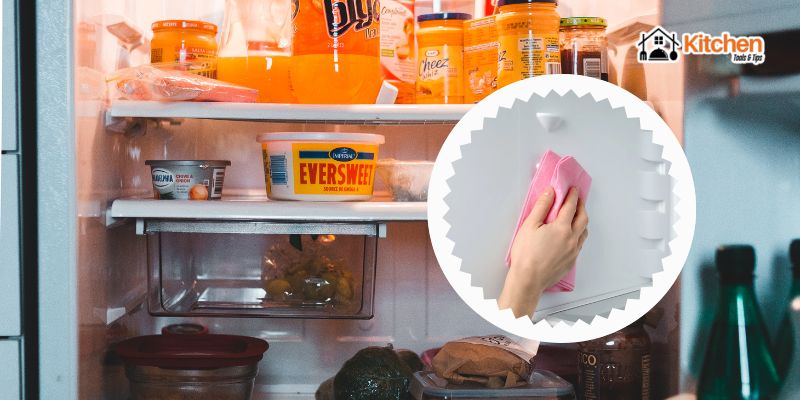
Why Clean Refrigerator Shelves Matter
Dirty fridge shelves harbor bacteria. They can contaminate your food. Listeria and E. coli grow in cold temperatures. Clean shelves keep your family safe.
Spills create sticky messes. They attract mold. Bad odors spread to fresh food. Regular cleaning prevents these problems.
Gather Your Cleaning Supplies
You need these items:
- Warm water
- Dish soap
- Baking soda
- White vinegar
- Soft sponge or cloth
- Spray bottle
- Towels
Avoid harsh chemicals. Bleach damages some shelf materials. Ammonia leaves strong odors. Natural cleaners work better.
Step 1: Empty Your Refrigerator
Remove all food items. Place them in a cooler with ice packs. This keeps food safe while you clean.
Check expiration dates. Throw away old food. Wipe down jars and bottles before putting them back.
Turn off the fridge if needed. This saves energy during deep cleaning.
Step 2: Remove the Shelves
Take out all shelves carefully. Glass shelves break if they’re cold. Let them warm to room temperature first. This takes 15 to 20 minutes.
Remove drawers too. Check under them for hidden spills.
Note where each shelf goes. Take a photo if needed. This helps during reassembly.
Step 3: Wash Glass Shelves
Fill your sink with warm water. Add a few drops of dish soap. Place shelves in the water.
Let them soak for 10 minutes. This loosens dried spills.
Scrub gently with a soft sponge. Pay attention to corners and edges. Rinse with clean water.
For tough stains, make a paste. Mix baking soda with water. Apply it to stains. Let it sit for 5 minutes. Scrub and rinse.
Step 4: Clean Wire Shelves
Wire shelves need different care. Use a spray bottle with vinegar solution. Mix equal parts water and white vinegar.
Spray the shelves thoroughly. Scrub with a sponge. Get into all the crevices.
Rinse under running water. Shake off excess water.
Step 5: Tackle Stubborn Stains
Some stains resist regular cleaning. Try these methods:
For grease: Use undiluted dish soap. Let it sit for 2 minutes.
For mold: Mix 1 tablespoon vinegar with 1 cup water. Spray and wipe.
For dried food: Soak with warm water first. Then scrub gently.
Never use abrasive scrubbers. They scratch glass and damage coatings.
Step 6: Dry Everything Thoroughly
Water spots look messy. They can freeze in the fridge.
Use clean towels to dry shelves. Air dry for 10 minutes too. Make sure no moisture remains.
Wet shelves cause new mold growth. Complete drying prevents this.
Step 7: Clean the Fridge Interior
Wipe down the inside while shelves are out. Mix 2 tablespoons baking soda with 1 quart warm water.
Clean all walls and the ceiling. Don’t forget the door seals. Bacteria hide there.
Dry the interior completely.
Step 8: Reassemble Your Refrigerator
Slide shelves back into place. Make sure they’re secure.
Put drawers back correctly. Replace all food items.
Group similar items together. This makes future cleaning easier.
How Often Should You Clean?
Wipe up spills immediately. This prevents staining.
Do a quick clean monthly. Remove shelves and wash them.
Deep clean every 3 months. This includes the entire fridge interior.
Check for expired food weekly. This reduces mess and odors.
Pro Tips for Keeping Shelves Clean
Line shelves with plastic mats. They catch spills easily. You can remove and wash them.
Store liquids in sealed containers. This prevents leaks.
Keep raw meat on the bottom shelf. Put it in a tray to catch drips.
Place an open box of baking soda inside. It absorbs odors naturally.
Use clear storage bins. They contain spills and organize food.
Common Mistakes to Avoid
Don’t put cold glass in hot water. It can shatter from temperature shock.
Never use rough scrubbers on glass. They create scratches.
Avoid putting wet shelves back. This causes ice buildup.
Don’t skip the door seals. They collect grime and affect efficiency.
Don’t use too much soap. It leaves residue that’s hard to rinse.
FAQs
How long does cleaning fridge shelves take?
Basic cleaning takes 30 to 45 minutes. Deep cleaning can take up to 1 hour.
Can I use bleach on refrigerator shelves?
No. Bleach can damage shelf coatings and leave harmful residue. Use natural cleaners instead.
What removes sticky residue from fridge shelves?
Warm water and dish soap work well. For tough spots, use a baking soda paste.
Should I remove shelves to clean them?
Yes. Removing shelves lets you clean thoroughly. It also makes rinsing easier.
How do I prevent mold on fridge shelves?
Wipe spills immediately. Keep humidity low. Clean regularly with vinegar solution.
Can I put fridge shelves in the dishwasher?
Check your manual first. Some shelves are dishwasher-safe. Others may warp or crack.