
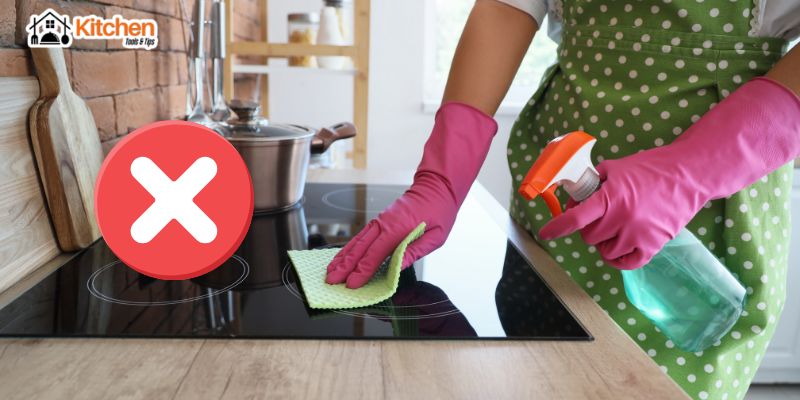
Your kitchen might look clean, but are you really cleaning it properly? Many people make simple mistakes that spread germs instead of removing them. These errors can damage your surfaces and waste your time.
Let’s look at the most common kitchen cleaning mistakes and how to avoid them.
Using the Same Sponge for Everything
This is one of the biggest mistakes. Your kitchen sponge can hold millions of bacteria. When you use it to wipe counters, wash dishes, and clean the sink, you spread germs everywhere.
The fix: Use different sponges for different jobs. Keep one for dishes, another for counters, and a separate one for the sink. Replace sponges every week or two. You can also microwave a damp sponge for two minutes to kill bacteria.
Not Cleaning Your Cleaning Tools
Dirty cleaning tools make everything dirtier. Sponges, dish towels, and mop heads collect bacteria and food particles. If you don’t clean them, you’re just moving dirt around.
The fix: Wash dish towels after every use. Clean your sponges daily by microwaving them or running them through the dishwasher. Replace mop heads regularly and wash them between uses.
Wiping Counters with a Dry Cloth
Dry wiping pushes crumbs and dust around. It doesn’t pick up bacteria or sticky spills. You might think your counters look clean, but they’re not actually sanitized.
The fix: Always use a damp cloth with proper cleaner. Spray the surface first, let it sit for a minute, then wipe clean. This method removes dirt and kills germs.
Ignoring Small Appliances
Your coffee maker, toaster, and microwave need regular cleaning too. Food residue and moisture create perfect spots for mold and bacteria to grow. Many people clean these appliances only when they look dirty.
The fix: Wipe down small appliances daily. Deep clean your coffee maker monthly with vinegar. Clean your microwave weekly by heating a bowl of water with lemon juice, then wiping down the inside.
Using Too Much Cleaning Product
More soap doesn’t mean cleaner surfaces. Extra product leaves residue that attracts dirt and can damage finishes. It also wastes money and creates streaks.
The fix: Follow the directions on your cleaning products. Usually, a small amount works better than a large amount. For most surfaces, a simple mix of water and dish soap works well.
Forgetting Cabinet Handles and Light Switches
These high-touch areas collect germs from every hand that touches them. Most people focus on counters and floors but skip these spots completely.
The fix: Add cabinet handles, door knobs, and light switches to your daily cleaning routine. Wipe them down with disinfectant wipes or a cloth with cleaning spray.
Not Letting Disinfectants Sit Long Enough
Spraying and immediately wiping defeats the purpose of disinfectants. These products need contact time to kill germs. The label tells you exactly how long to wait.
The fix: Read your product labels. Most disinfectants need 3-10 minutes of contact time. Spray the surface, wait the recommended time, then wipe clean.
Cleaning in the Wrong Order
Starting with the floor or cleaning from bottom to top wastes effort. Dirt and crumbs fall down as you clean, so you end up cleaning the same spots twice.
The fix: Always clean from top to bottom. Start with high shelves and cabinets, then counters, then appliances, and finish with the floor. This way, any falling debris gets cleaned up in the final step.
Skipping Regular Deep Cleans
Daily wiping keeps your kitchen looking good, but it’s not enough. Grease builds up on range hoods. Crumbs collect in toasters. Refrigerators develop spills and odors.
The fix: Set a monthly deep cleaning schedule. Clean inside your refrigerator, oven, and microwave. Wipe down cabinet fronts. Clean behind appliances. Degrease your range hood and backsplash.
Not Sanitizing the Sink
Your kitchen sink is dirtier than your toilet. It touches raw meat, dirty dishes, and food waste. Yet many people never actually disinfect it.
The fix: Disinfect your sink daily. After doing dishes, spray it with disinfectant or scrub it with baking soda and vinegar. Don’t forget the faucet and handles.
Using Dirty Dishcloths
A dishcloth that smells musty is full of bacteria. Using it to wipe surfaces spreads those germs onto your clean dishes and counters.
The fix: Use fresh dishcloths daily. Have several on hand so you can rotate them. Wash them in hot water with bleach or vinegar to kill bacteria.
Mixing Cleaning Products
Combining different cleaners can create dangerous fumes. Bleach and ammonia together produce toxic chloramine gas. Even natural products like vinegar and hydrogen peroxide shouldn’t be mixed.
The fix: Use one product at a time. If you need to switch cleaners, rinse the surface with water first. Never mix products unless the label says it’s safe.
Conclusion
A truly clean kitchen requires more than just wiping visible dirt. Avoid these common mistakes to protect your family’s health and keep your kitchen genuinely clean.
Remember the key points: use separate tools for different tasks, clean your cleaning supplies, give disinfectants time to work, and establish a regular deep cleaning routine.
Your kitchen is where you prepare food for your loved ones. Taking a few extra minutes to clean it properly makes a real difference in your home’s health and safety.
Start fixing these mistakes today, and you’ll notice your kitchen stays cleaner longer with less effort.