
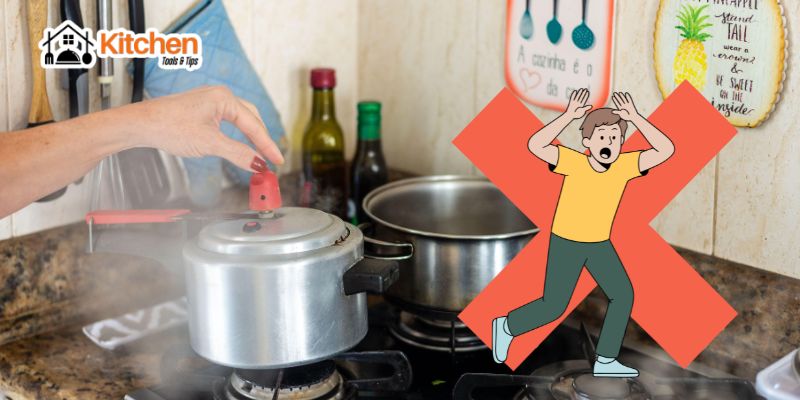
Pressure cookers save time and energy. They make tough meats tender. They cook beans in minutes instead of hours. But many home cooks make simple mistakes that ruin their food.
These errors can lead to dry chicken, burnt rice, or watery stews. Some mistakes even pose safety risks. The good news? You can avoid all of these problems once you know what to watch for.
This guide shows you the most common pressure cooker mistakes. You’ll learn how to fix them and cook better meals starting today.
1. Overfilling the Pressure Cooker
Many people fill their pressure cooker to the brim. This is a big mistake.
Pressure cookers need space at the top. Steam builds up in this space to create pressure. Without enough room, the pressure valve can clog. Food might spray out through the valve. This creates a mess and wastes your dinner.
The Fix: Never fill your pressure cooker more than two-thirds full. For foods that expand—like rice, beans, and grains—fill it only halfway. Most cookers have a fill line inside. Use it as your guide.
Leave at least two inches of space from the top. This simple rule prevents most overflow problems.
2. Not Using Enough Liquid
Pressure cookers need liquid to work. The liquid turns to steam. Steam creates pressure. Pressure cooks your food.
Without enough liquid, your food burns to the bottom. The cooker can’t build pressure. You might damage your appliance.
Some new users think pressure cookers are like slow cookers. They’re not. Slow cookers trap moisture from food. Pressure cookers need added liquid to function.
The Fix: Always add at least one cup of liquid. Water works fine. You can also use broth, wine, or cooking liquid from recipes.
Check your manual for minimum liquid requirements. Different brands have different rules. The Instant Pot needs one cup. Some stovetop models need more.
Thin liquids work best. Thick sauces don’t create enough steam. Add thick sauces after pressure cooking.
3. Opening the Lid Too Quickly
Steam under pressure is extremely hot. It can reach over 250 degrees Fahrenheit. Opening the lid before releasing pressure causes burns.
Even after releasing pressure, residual steam remains inside. Many cooks get impatient. They force the lid open. Hot liquid sprays out. This is dangerous.
The Fix: Learn the two pressure release methods:
Natural release: Turn off heat. Let pressure drop on its own. This takes 10 to 30 minutes. Use this method for meats, beans, and soups. Natural release keeps food tender and prevents splattering.
Quick release: Turn the valve to release steam manually. Stand back from the steam. Use a long spoon to turn the valve if needed. Use quick release for vegetables and delicate foods.
Wait until the float valve drops. This shows all pressure is gone. Only then is it safe to open the lid.
4. Cutting Ingredients Too Small
Pressure cookers work fast. They use high heat and pressure. Small pieces of food turn to mush quickly.
Vegetables become overcooked. Meat falls apart when you don’t want it to. The texture of your meal suffers.
The Fix: Cut vegetables into large chunks. Make them bigger than you would for stovetop cooking. Potatoes should be quartered, not diced. Carrots work best in two-inch pieces.
For meat, use larger cuts. Whole chicken breasts cook perfectly. Small cubed chicken often becomes dry and stringy.
Root vegetables like turnips and beets need big chunks. Delicate vegetables like zucchini need even less time. Add them after pressure cooking or use very large pieces.
5. Ignoring the Sealing Ring
The sealing ring creates an airtight seal. This rubber gasket sits under the lid. Without a proper seal, pressure escapes. Your food won’t cook right.
Old sealing rings lose elasticity. They crack or become loose. Dirty rings don’t seal properly. Some users forget to put the ring back after cleaning.
Sealing rings also absorb odors. Your dessert might taste like the curry you made last week.
The Fix: Check the sealing ring before each use. Make sure it sits firmly in the groove. Look for cracks or damage. Replace worn rings every 12 to 18 months.
Clean the ring after each use. Remove it from the lid. Wash it with soap and water. Let it air dry completely.
Buy extra rings if you cook both sweet and savory foods. Use one ring for desserts. Use another for curries and stews. This prevents flavor transfer.
6. Not Adjusting Cooking Times
Traditional recipes don’t work in pressure cookers. Pressure cooking is much faster. Following regular cooking times leads to overcooked mush.
Different foods need different times. Beginners often cook everything for the same duration. Green beans need three minutes. Beef stew needs 20 minutes. Using one time for everything ruins your meal.
Frozen food needs more time than fresh food. Larger cuts need more time than smaller ones. Altitude affects cooking too. High elevations require longer cooking times.
The Fix: Use a pressure cooker time chart. Most manuals include one. You can also find charts online. These charts list exact times for common foods.
Start with less time than you think. You can always cook longer. You can’t fix overcooked food.
For mixed dishes, add quick-cooking items later. Cook potatoes and meat first. Release pressure. Add vegetables. Cook for just a few more minutes.
At high altitudes, add five percent more time for every 1,000 feet above 2,000 feet.
7. Skipping the Sauté Step
Many pressure cooker recipes start with sautéing. This step builds flavor. It browns meat. It softens onions. It brings out the taste in spices.
New users skip this step. They throw everything in cold. The result is bland, boring food. Pressure cooking is fast, but it doesn’t create the same flavors as browning.
The Fix: Use the sauté function on electric pressure cookers. For stovetop models, sauté in the same pot before sealing.
Brown meat in batches. Don’t crowd the pot. Crowding makes meat steam instead of brown.
Cook onions until soft and golden. Toast spices for 30 seconds. These small steps make a huge difference in taste.
Deglaze the pot after sautéing. Pour in some broth or wine. Scrape up the brown bits from the bottom. These bits add flavor and prevent the burn notice on electric models.
Frequently Asked Questions
Q: Can I put frozen meat in a pressure cooker?
Yes, you can. Add five to 10 minutes to the cooking time. Make sure there’s enough liquid in the pot. Frozen food releases less moisture.
Q: Why does my pressure cooker say “burn”?
This happens when food sticks to the bottom. The sensor detects overheating. Make sure you use enough thin liquid. Deglaze the pot after sautéing. Don’t use thick sauces as your cooking liquid.
Q: How do I know when my pressure cooker is at pressure?
The float valve rises up. You’ll hear hissing stop. The pressure indicator shows high pressure. Start your timer only after full pressure is reached.
Q: Can I open a pressure cooker while it’s cooking?
Never open a pressure cooker under pressure. You must release all pressure first. Wait for the float valve to drop. Only then is it safe to open.
Q: Why is my food dry after pressure cooking?
You might be cooking too long. Reduce your cooking time. You might also be using quick release when you should use natural release. Natural release keeps meat juicy.
Final Thoughts
Pressure cookers are amazing tools. They save time and create delicious meals. But they work differently than other cooking methods.
Avoid these seven mistakes. Use enough liquid. Don’t overfill. Cut food in large pieces. Release pressure safely. Your meals will turn out perfect every time.
Start with simple recipes. Learn how your specific model works. Soon, you’ll wonder how you ever cooked without a pressure cooker.