
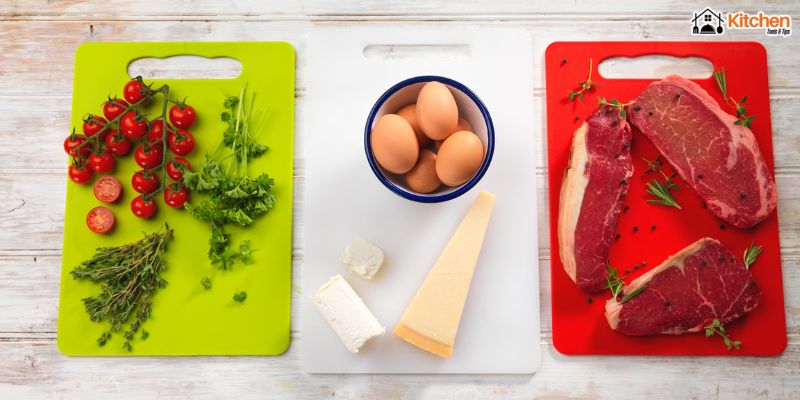
Your cutting board touches raw meat, fresh vegetables, and countless ingredients every day. Without proper hygiene, it can become a breeding ground for harmful bacteria like Salmonella, E. coli, and Listeria.
This guide shares simple, effective cutting board hygiene tips to keep your family safe from foodborne illness.
Why Cutting Board Hygiene Matters
Cutting boards are one of the most contaminated surfaces in your kitchen. Studies show they can harbor more bacteria than toilet seats if not cleaned properly.
Poor cutting board hygiene leads to cross-contamination. This happens when bacteria from raw meat spreads to ready-to-eat foods like salad greens or bread.
The CDC reports that foodborne illness affects 48 million Americans each year. Proper cutting board care is a simple way to protect your household.
Types of Cutting Boards and Their Care
Different materials require different care methods.
Wooden Cutting Boards
Wood boards are durable and knife-friendly. They have natural antimicrobial properties but need special care.
- Never soak wooden boards in water
- Don’t put them in the dishwasher
- Oil them monthly with food-grade mineral oil
- Let them air dry standing upright
Plastic Cutting Boards
Plastic boards are affordable and dishwasher-safe. However, knife grooves can trap bacteria over time.
- Replace when heavily scarred
- Use the dishwasher for deep cleaning
- Choose white or light colors to spot stains easily
- Designate different colors for meat and produce
Bamboo Cutting Boards
Bamboo is harder than wood and resists moisture better. Care for it like wooden boards.
Glass and Stone Boards
These materials are very sanitary but dull knives quickly. Use them mainly for serving, not heavy cutting.
Daily Cleaning Tips
Clean your cutting board after every use. This simple habit prevents most contamination issues.
Basic Cleaning Steps:
- Scrape off food debris with a bench scraper or spatula
- Wash with hot, soapy water immediately
- Scrub both sides with a brush or sponge
- Rinse thoroughly under running water
- Dry with a clean towel or air dry upright
Pro tip: Never let food residue sit on your board. Bacteria multiply rapidly in warm, moist conditions.
For wooden boards, work quickly. Use minimal water and dry immediately to prevent warping.
Deep Sanitizing Methods
Daily washing removes most germs, but deep sanitizing kills stubborn bacteria.
Bleach Solution (For Plastic Boards)
Mix one tablespoon of unscented liquid bleach with one gallon of water. This is the method recommended by the USDA.
- Wash the board first with soap and water
- Apply the bleach solution
- Let it sit for several minutes
- Rinse thoroughly with clean water
- Air dry completely
Vinegar Method (For All Boards)
White vinegar is a natural disinfectant. While less powerful than bleach, it’s safer for wooden boards.
- Spray or wipe undiluted white vinegar on the surface
- Let it sit for 5-10 minutes
- Rinse and dry
Hydrogen Peroxide Method
Use 3% hydrogen peroxide for effective sanitizing without harsh chemicals.
- Pour hydrogen peroxide over the board
- Let it fizz for a few minutes
- Rinse and dry
Salt and Lemon Scrub (For Wooden Boards)
This natural method removes stains and odors.
- Sprinkle coarse salt over the board
- Scrub with half a lemon
- Let it sit for 5 minutes
- Rinse with warm water
- Dry immediately
Sanitize your cutting boards at least once per week, or after cutting raw meat, poultry, or fish.
Preventing Cross-Contamination
Smart habits reduce your risk of spreading bacteria.
Use Separate Boards
Keep dedicated boards for different food types:
- One for raw meat, poultry, and seafood
- One for fruits and vegetables
- One for bread and ready-to-eat foods
Color-coded plastic boards make this system easy to follow.
Follow the Right Order
When preparing multiple foods, cut ready-to-eat items first. Save raw meat for last.
Clean Between Uses
If you only have one board, wash and sanitize it between different food types.
Avoid the Danger Zone
Bacteria grow fastest between 40°F and 140°F. Don’t leave food sitting on cutting boards at room temperature.
When to Replace Your Cutting Board
Even with perfect care, cutting boards don’t last forever.
Replace Your Board If:
- Deep knife grooves and cracks appear (bacteria hide here)
- Stains won’t come out after sanitizing
- It develops a persistent smell
- The surface feels fuzzy or rough (wooden boards)
- It warps or splits
Plastic boards typically last 1-5 years depending on use. Wooden boards can last decades with proper care.
Storage Tips
Store cutting boards in a dry, well-ventilated area. Standing upright is best for air circulation. Avoid stacking wet boards together.
Conclusion
Cutting board hygiene doesn’t require expensive products or complicated routines. Simple daily washing, weekly sanitizing, and smart food separation keep your kitchen safe.
Remember these key points:
- Wash boards with hot, soapy water after every use
- Sanitize weekly or after handling raw meat
- Use separate boards for different food types
- Replace boards when they become heavily scarred
- Dry boards thoroughly to prevent bacterial growth
Your cutting board is a kitchen workhorse. Treat it right, and it will help you prepare safe, delicious meals for years to come.
Start implementing these cutting board hygiene tips today. Your family’s health is worth the extra few minutes of care.