
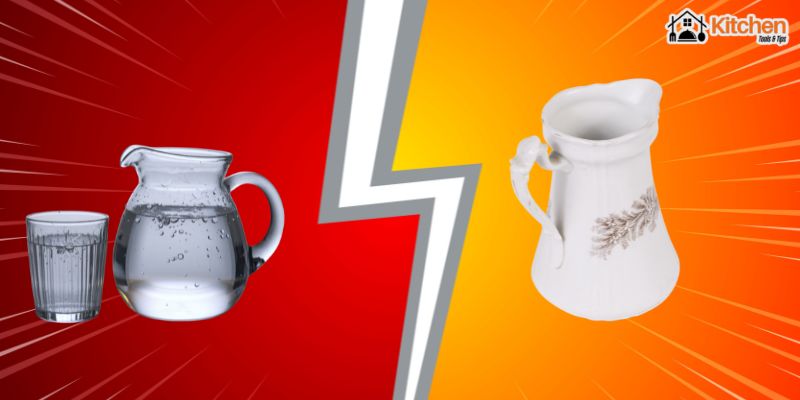
Glass vs Plastic Pitchers: Which Is Best for You?
Choosing between a glass pitcher and a plastic pitcher seems simple. But this choice affects your health, budget, and daily life more than you think.
I’ve used both types for years. I’ve tested them with cold water, iced tea, and fruit-infused drinks. Each material has clear pros and cons.
This guide will help you pick the right pitcher for your needs. You’ll learn about safety, taste, cost, and durability. By the end, you’ll know exactly which type fits your lifestyle.
Let’s dive into the facts.
Material Composition & Safety
Glass Pitchers: Pure and Stable
Glass pitchers are made from silica sand, soda ash, and limestone. These materials are heated to extreme temperatures and molded into shape.
The result? A completely non-porous surface.
Glass doesn’t react with liquids. Your water pitcher won’t leach chemicals into your drinks. This makes glass the safest choice for storing beverages.
Glass stays stable in hot and cold temperatures. You can pour boiling tea or ice-cold lemonade without worry.
Plastic Pitchers: Lightweight but Complex
Plastic pitchers come in different types. The most common are polypropylene and acrylic pitcher materials.
Modern plastic pitchers are often labeled “BPA-free.” This means they don’t contain bisphenol A, a chemical linked to health concerns.
But here’s the catch: plastic can still leach other chemicals. When exposed to heat or acidic drinks, plastic releases small amounts of compounds into your beverage.
An acrylic pitcher looks like glass but behaves like plastic. It’s more resistant to breakage but still carries some chemical concerns.
The Safety Verdict
For pure safety, glass wins. If you use a water filter pitcher or water purifier, glass won’t interfere with the filtered water quality.
Plastic is safe for short-term use with cold drinks. But for daily use and long-term storage, glass is the better choice.
Durability & Longevity
Glass: Handle with Care
Glass pitchers last forever if you don’t drop them. The material doesn’t degrade over time. Your glass water jug will look the same after five years as it did on day one.
The downside? Glass breaks. Drop it on a hard floor and you’ll need a new one.
However, quality glass pitchers are thick and sturdy. They can handle normal kitchen use without issues. I’ve had the same glass beverage pitcher for eight years.
Plastic: Tough but Temporary
Plastic pitchers resist breaking. Drop one and it might bounce. This makes them perfect for homes with kids or outdoor use.
But plastic degrades over time. The material gets cloudy. Scratches appear on the inside. These scratches harbor bacteria and make cleaning harder.
A beer pitcher made from plastic will develop odors after repeated use. A stackable pitcher made from plastic might crack at the joints after a year.
Most plastic pitchers need replacement every 1-2 years.
Which Lasts Longer?
Glass pitchers offer better longevity. With careful handling, one glass pitcher outlasts five plastic ones.
For outdoor use or high-risk environments, plastic makes sense. For home use, invest in glass.
Taste & Odor Impact
Glass Keeps Drinks Pure
Pour water into a glass pitcher. It tastes exactly like water should.
Glass doesn’t absorb flavors or odors. You can store orange juice today and water tomorrow. No flavor transfer occurs.
This is crucial for a drink pitcher used for multiple beverages. Your iced tea won’t taste like yesterday’s lemonade.
Glass also keeps water cold longer. The material has better insulation properties than thin plastic.
Plastic Affects Flavor
Plastic absorbs odors and flavors. After storing lemonade, your plastic water pitcher might give plain water a slight tang.
This is especially true for older plastic pitchers with scratches. These tiny grooves trap food particles and odors.
A Lifestraw pitcher or water filter pitcher made from plastic can affect taste. The filtered water tastes clean, but the plastic container adds a subtle flavor.
Some people don’t notice this. But if you’re sensitive to taste, you’ll prefer glass.
Best for Different Drinks
Use glass for:
- Plain water
- Flavored water
- Tea and coffee
- Fruit juices
- Any drink you’ll store overnight
Use plastic for:
- Outdoor gatherings
- Kids’ parties
- Camping
- Short-term beverage service
Cost Comparison
Initial Investment
Plastic pitchers cost less upfront. You can find a basic plastic water jug for $5-15.
Glass pitchers range from $15-40 for quality options. Premium glass beverage pitchers can cost even more.
The price difference seems significant at first.
Long-Term Value
Here’s where math matters. Buy one glass pitcher for $30. It lasts 10 years.
Or buy five plastic pitchers at $10 each over 10 years. That’s $50 total.
Glass saves money over time.
Hidden Costs
Plastic pitchers need frequent replacement. They also affect drink quality, potentially wasting beverages that taste “off.”
Glass might break, requiring replacement. But with normal care, this rarely happens.
For most families, glass offers better value.
Cleaning & Maintenance
Glass: Easy to Clean
Glass pitchers are dishwasher safe. The material withstands high heat without warping.
Stains and odors don’t stick to glass. A quick wash with soap and water restores it to new condition.
Hard water spots can appear on glass. But white vinegar removes them easily.
I clean my glass water pitcher daily. It takes 30 seconds under hot water with dish soap.
Plastic: Requires More Effort
Plastic pitchers are also dishwasher safe. But high heat can warp them over time.
Scratches inside plastic trap food particles. These require scrubbing with a brush.
Plastic absorbs stains from colored drinks. Your plastic pitcher might turn slightly yellow or orange after storing fruit juice.
Odor removal is harder with plastic. Baking soda soaks help but don’t fully eliminate smells.
Maintenance Winner
Glass requires less effort to maintain. It stays cleaner and looks better longer.
Environmental Impact
Glass: Highly Recyclable
Glass is 100% recyclable. It can be melted and reformed indefinitely without losing quality.
Manufacturing glass requires high energy. But if you use one pitcher for years, the environmental cost per use drops significantly.
Plastic: Complex Recycling
Plastic recycling is less efficient. Not all plastics get recycled. Many end up in landfills.
A plastic water pitcher might be recyclable in theory. But local facilities might not accept it.
Plastic also releases microplastics as it degrades. These tiny particles enter waterways and ecosystems.
Eco-Friendly Choice
Glass has a smaller environmental footprint over its lifetime. One glass pitcher replaces multiple plastic ones, reducing waste.
Best Uses for Each Type
Choose Glass When:
- You want the healthiest option
- Taste quality matters to you
- You’re storing drinks overnight
- You have a stable, adult household
- You want a long-lasting investment
- You use a water filter pitcher and want pure taste
A glass water pitcher is perfect for daily kitchen use. It keeps your water tasting fresh and clean.
Choose Plastic When:
- You need something kid-friendly
- You’re hosting outdoor events
- You’re worried about breakage
- You need a stackable pitcher for limited space
- Budget is extremely tight
- You need multiple pitchers for parties
A Lifestraw pitcher with plastic construction works well for camping or travel. The lightweight design makes it portable.
My Personal Recommendation
For home use, buy one high-quality glass beverage pitcher. Use it for water, tea, and juice.
Keep one plastic beer pitcher for outdoor gatherings. This gives you the best of both worlds.
Frequently Asked Questions
Q: Are plastic pitchers safe for hot liquids? A: No. Heat causes plastic to release chemicals. Use glass for hot beverages.
Q: How do I remove stains from a plastic pitcher? A: Soak it overnight in warm water with baking soda. Scrub with a soft brush in the morning.
Q: Can I put a glass pitcher in the freezer? A: Only if it’s labeled freezer-safe. Regular glass can crack from extreme temperature changes.
Q: Which type is better for a water purifier? A: Glass is better. It won’t affect the purified water’s taste or quality.
Q: How often should I replace my plastic pitcher? A: Replace it every 1-2 years or when you notice cloudiness, scratches, or persistent odors.
Conclusion
The difference between glass and plastic pitchers comes down to priorities.
Glass offers superior safety, taste, and longevity. It’s the best choice for daily home use. Yes, it costs more upfront and requires careful handling. But the investment pays off in quality and durability.
Plastic provides convenience and break-resistance. It works well for specific situations like outdoor events or homes with young children.
For most people, a glass water pitcher is the smart choice. It protects your health, maintains drink quality, and lasts for years.
Choose the material that fits your lifestyle. But when in doubt, go with glass.