
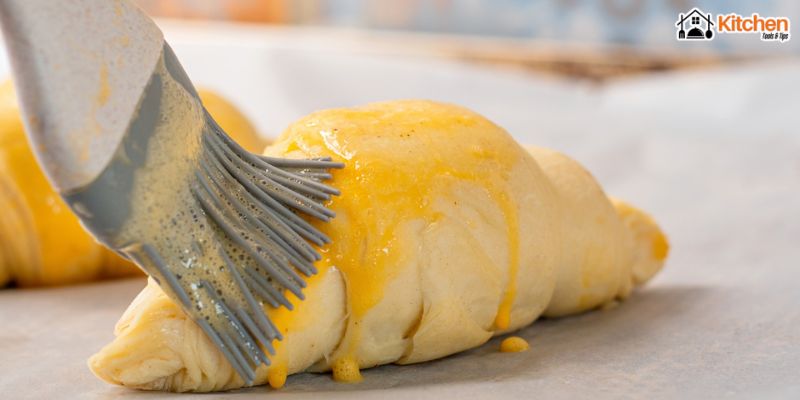
DIY Pastry Brush Alternative: What to Use When You Don’t Have One
You are ready to bake. The dough is rolled out. The puff pastry is prepped. Then you reach for your pastry brush and it is not there.
It happens to every baker. The good news is you do not need a fancy cooking brush to get great results. There are many simple, effective alternatives already in your kitchen.
This guide covers the best DIY pastry brush alternatives. You will learn what works, what does not, and how to use each option like a pro.
What Is a Pastry Brush and What Does It Do?
A pastry brush is a small kitchen brush used to apply liquids to food. Bakers use it to spread egg wash, butter, o
il, glazes, and sauces.
The most common uses include:
- Applying egg glaze to bread and pastries before baking
- Brushing butter onto dough or baked goods
- Spreading oil on pans or food surfaces
- Coating puff pastry with milk or cream
- Applying sauces during grilling or roasting
A traditional baking brush has soft bristles — either natural or silicone. A bristle brush made from natural fibers picks up liquid well but can be harder to clean. A silicone brush is firmer and much easier to wash.
Both types do the same job. They apply a thin, even coat of liquid to the surface of food or dough.
Why You Might Need an Alternative
There are many reasons bakers look for a pastry brush alternative.
- You forgot to buy one
- Your baking brush is dirty and there is no time to wash it
- The bristles are falling out of your old brush
- You are baking somewhere other than your own kitchen
- You simply do not own one yet
Whatever the reason, you can still get a smooth, even coat on your dough, bread, or pastry using things you already have at home. Many of these alternatives work just as well as a real kitchen brush.
Best DIY Pastry Brush Alternatives
Here are the top options that actually work. Each one is practical, easy to use, and safe for food contact.
1. Your Fingers
Your clean fingers are the most natural tool you have. They work surprisingly well for spreading liquids on dough.
Use your fingertips to rub egg wash, melted butter, or oil across the surface. Spread in small circles for even coverage.
This works best for:
- Brushing butter on warm bread
- Applying oil to dough
- Spreading simple glazes on baked goods
Wash your hands well before and after. Keep in mind that your fingers absorb some liquid, so you may need to dip more often.
2. A Paper Towel
Fold a piece of paper towel into a small square. Dip it into your liquid and dab or wipe it across the surface.
A paper towel gives you a gentle, soft touch. It is great for delicate dough that you do not want to press too hard.
Use it for:
- Brushing egg wash onto puff pastry
- Applying a light coat of butter
- Dabbing oil onto baking paper before use
Do not over-saturate the paper towel. Too much liquid will drip and pool. Use just enough to coat the surface lightly.
3. Parchment Paper or Baking Paper
A small piece of parchment paper can work as a makeshift applicator. Fold it into a flat pad and use the edge or flat side to spread liquid across dough.
Parchment paper is food-safe and does not leave fibers behind. It is stiff enough to control but gentle enough to avoid damaging soft dough.
This method works well for:
- Even spreading of egg glaze on bread
- Coating the inside of pans with oil or butter
- Applying thin glazes to pastries
4. A Spoon
A regular spoon is one of the easiest alternatives. Pour a small amount of liquid onto the surface and use the back of the spoon to spread it around.
This method is not as precise as a baking brush, but it gets the job done. It works best on flat surfaces where you have plenty of room to spread.
Use a spoon for:
- Spreading melted butter on bread
- Applying egg wash to a large loaf
- Coating the top of a pie or tart
Use the back of the spoon in smooth, light strokes. Go slow and steady for the most even coat.
5. A Clean Foam Brush or Paint Brush
A new, unused foam brush or clean paint brush can work in a pinch. Make sure it has never been used with paint or chemicals. Use only brushes that have been bought specifically for food use.
A foam brush applies liquid in a very smooth, even layer. It holds more liquid than most other alternatives and spreads it with almost no streaking.
This is a great option if you do a lot of baking and do not own a silicone brush yet. Just label the brush clearly as kitchen use only.
Use it for:
- Brushing egg wash over large sheets of puff pastry
- Applying glazes to cakes
- Coating dough with oil or butter
6. A Zip-Lock Bag Corner
Cut a tiny corner off a zip-lock bag. Fill the bag with your liquid. Squeeze gently and drag the tip across your dough or bread.
This acts like a piping bag but for liquid. It gives you good control and makes it easy to reach tight spots.
Use it for:
- Precise egg glaze lines on braided bread
- Getting into corners on folded puff pastry
- Applying thin coats of butter or oil
7. A Cotton Cloth or Clean Dish Rag
A small piece of clean cotton cloth works well as a baking brush substitute. Fold it tightly. Dip it in liquid and dab or wipe across your food.
Make sure the cloth is clean, unscented, and free from detergent residue. Rinse it well before use.
This works best with heavier liquids like melted butter or thick glazes. It is less effective for thin egg wash because the cloth absorbs too much.
8. A Silicone Basting Spoon or Spatula
If you have a silicone basting tool or a small silicone spatula, use it to spread liquids across your dough. The silicone brush head or flat edge spreads liquid smoothly without tearing the dough.
A silicone basting tool is one of the closest alternatives to a real pastry brush. If you already own one for grilling or roasting, it works perfectly in baking too.
Use it for:
- Brushing egg wash on bread
- Coating puff pastry with milk or butter
- Applying heavy glazes or sauces
How to Brush Egg Wash Without a Brush
Egg wash is the most common liquid bakers need to apply. It gives bread and pastries a golden, shiny finish.
Here is how to apply egg wash without a pastry brush:
Step 1: Crack one egg into a small bowl. Add a tablespoon of water or milk. Beat lightly with a fork.
Step 2: Choose your alternative — fingers, paper towel, spoon, or zip-lock bag corner.
Step 3: Dip your tool into the bowl. Shake off or blot away any excess liquid.
Step 4: Apply in smooth, light strokes across the surface of the dough or bread.
Step 5: Avoid the cut edges of puff pastry. Egg glaze on cut edges can seal the layers and stop the pastry from rising properly.
Step 6: Apply a second thin coat if needed for a deeper golden color.
Work quickly. Egg wash dries fast, especially in warm kitchens.
Best Alternatives for Specific Tasks
Different tasks call for different tools. Here is a quick guide:
For egg wash on bread: Use your fingers, a paper towel, or a spoon. These give you good coverage without wasting liquid.
For puff pastry: Use a paper towel or parchment paper. They are gentle and will not press down the layers.
For buttering bread or dough: Use your fingers or a silicone spatula. Both spread butter evenly and feel natural.
For applying oil: Use a paper towel or clean cloth. They soak up just enough oil to coat without over-soaking.
For decorative egg glaze on braided dough: Use the zip-lock bag corner for precision.
What to Avoid Using as a Pastry Brush
Not everything works well as a kitchen brush substitute. Some things can ruin your food or create a mess.
Avoid these:
- Used paint brushes — even washed ones may have chemical residue
- Sponges — they hold too much liquid and make uneven coats
- Rough cloths or scrubbers — they can tear delicate dough
- Plastic wrap — it bunches up and does not spread liquid well
- Tissue paper — it falls apart when wet and leaves bits behind
Stick to food-safe tools. When in doubt, use your fingers. They are always clean, precise, and available.
Tips for Getting Great Results with Any Alternative
The tool matters less than the technique. These tips help you get a smooth, even coat no matter what you use.
Use thin coats. Apply less than you think you need. Thin coats give a better finish. Too much liquid can make dough soggy or cause uneven browning.
Work fast on cold dough. Cold dough firms up quickly. Work with speed and confidence.
Blot before applying. Dip your tool, then blot it on the side of the bowl. Remove excess liquid before touching the dough.
Go in one direction. Brush strokes in one direction look cleaner and more even.
Avoid pressing too hard. Light pressure is key. Pressing too hard can flatten delicate layers in puff pastry or push down bread dough.
Reheat butter if it firms up. Melted butter solidifies fast. Keep it warm while you work.
How to Care for Reusable Alternatives
If you use a reusable tool like a silicone basting tool or a foam brush kept for kitchen use only, take care of it properly.
- Wash it with warm soapy water right after use
- Rinse out all liquid, especially egg wash, which dries and hardens fast
- Let it air dry completely before storing
- Store it away from strong-smelling foods
- Replace it if it shows any signs of wear, odor, or damage
A well-kept alternative can last just as long as a real baking brush.
FAQ
Q: Can I use a regular paint brush as a pastry brush? Only if it is brand new and has never touched paint. Even then, label it for kitchen use only. Many bakers prefer to buy a cheap foam brush from a craft store instead.
Q: What is the best alternative for applying egg wash? Your fingers work very well for egg wash. A folded paper towel is also excellent. Both give you control and spread the liquid evenly.
Q: Can I skip egg wash entirely? Yes. You can use milk or cream instead for a softer, lighter finish. Butter gives a rich, golden color too. If you have none of these, plain water still adds some shine.
Q: Will using my fingers mess up the dough? Not if you are gentle. Use light fingertip pressure. Avoid pressing down. Your fingers give a very natural, even coat when used carefully.
Q: Can I use a silicone brush meant for grilling? Yes. A silicone basting brush is perfectly safe for baking too. Just wash it well before switching between savory and sweet uses.
Q: Is a foam brush food safe? A new, unused foam brush is generally food safe. Make sure it has no added dyes or chemical coatings. Buy from a craft or hardware store and keep it for kitchen use only.
Q: How do I stop egg wash from dripping onto the baking paper? Blot your tool well before applying. Use thin coats. If drips do fall on the baking paper, wipe them up before baking to avoid burning.