
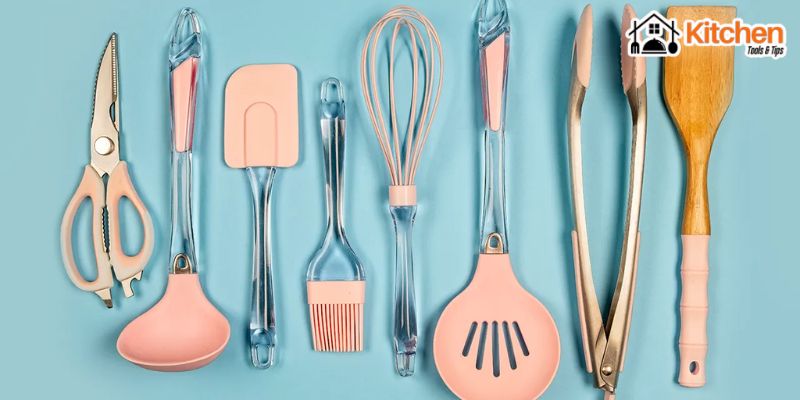
Your kitchen tools work hard every day. They chop, slice, dice, and blend your meals. But without proper care, they wear out fast. This guide shows you how to maintain your food prep tools so they last longer and work better.
Why Food Prep Tool Maintenance Matters
Taking care of your kitchen equipment saves you money. Well-maintained tools perform better and stay sharp. You also avoid cross-contamination and foodborne illness.
Clean tools make cooking safer. Bacteria grow on dirty surfaces. Regular maintenance keeps your family healthy.
Good tools cost money. Proper care protects your investment. A quality chef’s knife can last decades with the right treatment.
How to Maintain Your Kitchen Knives
Knives are your most important kitchen tools. They need special attention.
Daily Cleaning
Wash your knives by hand right after use. Never put them in the dishwasher. The high heat and harsh detergents damage the blade and handle.
Use warm soapy water and a soft sponge. Rinse thoroughly and dry immediately. Water spots can lead to rust.
Sharpening Schedule
Sharp knives are safer than dull ones. They require less pressure and give you better control.
Hone your knives with a honing steel before each use. This realigns the blade edge. Sharpen your knives every few months with a whetstone or professional service.
Storage Tips
Never toss knives in a drawer. They bump against other utensils and lose their edge.
Store knives in a knife block, on a magnetic strip, or in blade guards. This protects the edge and prevents accidents.
Cutting Board Care Guide
Cutting boards see daily action. They need regular maintenance to stay sanitary.
Wood and Bamboo Boards
Wash wooden boards with hot soapy water after each use. Never soak them or put them in the dishwasher. Too much water causes warping and cracking.
Dry boards immediately with a clean towel. Stand them upright to air dry completely.
Oil your wooden boards monthly. Use food-grade mineral oil or board cream. This prevents drying and cracking. Apply oil, let it soak overnight, then wipe off excess.
Plastic Boards
Plastic boards are dishwasher safe. Run them through the top rack for deep cleaning.
Replace plastic boards when they show deep grooves. Bacteria hide in these cuts.
Sanitizing All Boards
Sanitize boards weekly with a bleach solution. Mix one tablespoon of bleach per gallon of water. Wipe the surface, let it sit for two minutes, then rinse well.
You can also use white vinegar for natural sanitizing. Spray it on, wait five minutes, then rinse.
Maintaining Small Kitchen Gadgets
Your peelers, graters, and mandolins need care too.
Graters and Zesters
Clean graters immediately after use. Food dries in the holes and becomes hard to remove.
Use a dish brush to scrub between the blades. For stuck-on food, soak in warm soapy water first.
Peelers and Mandolins
Check blade sharpness regularly. Dull blades make prep work harder and less safe.
Most peeler blades can’t be sharpened. Replace the tool when it gets dull.
Clean mandolin blades carefully. Use a brush, not your fingers. The blades are extremely sharp.
Food Processors and Blenders
Disassemble these tools completely for cleaning. Food gets trapped under blades and seals.
Wash all parts in hot soapy water. Check the manufacturer’s guide for dishwasher-safe components.
Dry all pieces before reassembling. Moisture causes mold and rust.
Storage Best Practices for Kitchen Tools
How you store your tools affects their lifespan.
Keep Tools Dry
Moisture is your kitchen equipment’s enemy. It causes rust, mold, and bacterial growth.
Store tools only after they’re completely dry. Use drawer liners that allow air circulation.
Organize by Use
Keep frequently used tools within easy reach. This reduces wear from unnecessary handling.
Store sharp tools separately from other utensils. This protects both the tools and your hands.
Control Temperature
Extreme temperature changes harm kitchen tools. Don’t store metal tools near the stove or oven.
Wooden tools prefer stable, moderate temperatures. Avoid damp areas like under the sink.
Common Maintenance Mistakes to Avoid
Don’t make these errors with your kitchen tools.
Dishwasher Damage
Not everything is dishwasher safe. High heat warps plastic, loosens handles, and dulls blades.
Check labels before loading. When in doubt, wash by hand.
Using the Wrong Cleaning Products
Abrasive cleaners scratch surfaces. These scratches harbor bacteria.
Stick to mild dish soap for most tools. Use baking soda for stubborn stains.
Ignoring Rust Spots
Small rust spots spread quickly. Address them immediately.
Remove rust with a paste of baking soda and water. Scrub gently with a soft cloth. Dry thoroughly and oil metal surfaces.
Skipping Regular Inspections
Check your tools monthly for damage. Look for loose handles, cracks, chips, and worn areas.
Replace damaged tools promptly. They’re unsafe and ineffective.
Simple Maintenance Schedule
Create a routine to stay on track.
Daily Tasks
- Wash and dry tools immediately after use
- Wipe down counters and tool surfaces
- Store tools in proper locations
Weekly Tasks
- Sanitize cutting boards
- Deep clean frequently used gadgets
- Inspect tools for damage
Monthly Tasks
- Oil wooden cutting boards
- Sharpen knives
- Organize storage areas
Seasonal Tasks
- Deep clean all kitchen tools
- Replace worn items
- Reorganize drawers and cabinets
Your Tools Deserve Good Care
Maintaining your food prep tools doesn’t require much time. A few minutes of daily care prevents hours of future work.
Clean tools work better. They make cooking easier and more enjoyable. Your food tastes better when prepared with quality equipment.
Start with one change today. Wash your knives by hand. Oil your cutting board. Check your gadgets for damage.
Small steps lead to big results. Your well-maintained tools will serve you for years to come.