
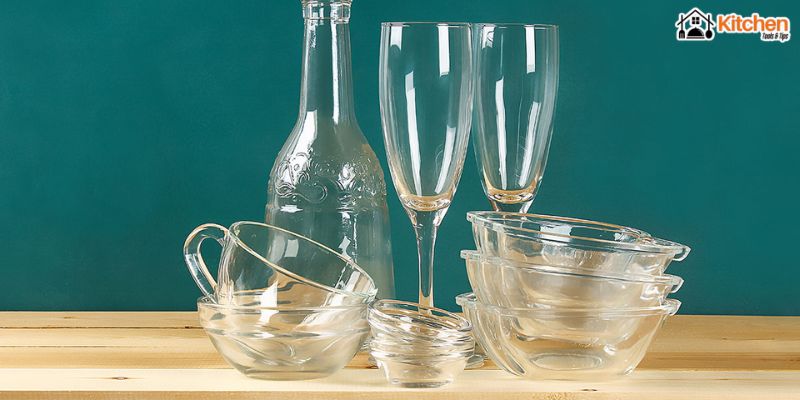
Glass Dinnerware Benefits for Health
Most people never think about their dinner plates until something goes wrong.
A chip appears. Food starts sticking. Or they read something alarming about lead in ceramic glazes or chemicals leaching from plastic.
Then the question becomes serious. What should I actually be eating off?
Glass is one of the answers I recommend most often. And not just for drinking. Glass dinnerware plates, bowls, and dish sets made entirely from glass offers genuine health benefits that most other materials simply cannot match.
I switched a large portion of my own household to glass several years ago. I want to share exactly why, what the benefits are, and where glass fits best in a healthy home kitchen.
What Makes Glass Different From Other Dinnerware Materials
To understand the health benefits of glass, you need to understand what makes other materials risky.
Ceramic and ceramic tableware use glazes to create smooth, sealed surfaces. Most modern ceramic from reputable brands is safe. But the glaze is where the risk sits. Glazes can contain lead and cadmium as colorants and stabilizers. Acidic food and heat pull these metals out of the glaze over time. Vintage or imported ceramic with unverified glazes carries real risk.
Melamine looks like ceramic but is made from plastic compounds. It releases melamine chemicals into hot and acidic food. This is not a debated point. Studies consistently show measurable melamine transfer under normal meal conditions.
Plastic releases BPA and similar hormone-disrupting compounds into food. Heat from microwaving significantly increases the transfer rate. Even BPA-free options often contain replacement plasticizers with similar biological effects.
Copper dishes and thali set designs made from copper have a long history in traditional cooking. Copper has some antimicrobial properties. But unlined copper reacts with acidic food and releases excess copper into meals. Too much copper is toxic.
Glass has none of these problems.
Glass is inert. It does not react with food. It does not release any compounds into what you eat. It is the same material whether it contains hot soup, cold salad, or acidic tomato sauce. Nothing changes. Nothing transfers.
That chemical stability is the core of every health benefit glass dinnerware offers.
Health Benefit 1 Zero Chemical Leaching
This is the biggest and most important benefit.
Glass does not leach anything into your food.
Not lead. Not cadmium. Not BPA. Not melamine. Not phthalates. Nothing.
This is true at any temperature. Cold food on glass is safe. Hot food on glass is safe. Acidic food on glass is safe. The glass does not change in response to what sits on it.
Compare this to melamine dinner plates. The moment hot food touches melamine, chemical transfer begins. The hotter the food and the more acidic it is, the more compounds move from the plate into your meal. Every single time.
Or compare to a ceramic dinner set with an unverified glaze. Tomato-based dishes sitting on that surface for twenty minutes leach whatever the glaze contains. You have no way of knowing what that is without testing.
With glass, you do not need to test. You do not need to worry about the glaze. There is no glaze. There is no leaching. Full stop.
For families with young children, for people managing health conditions, and for anyone who wants to minimize chemical exposure through food, glass eliminates an entire category of risk from daily eating.
Health Benefit 2 No Bacterial Harboring
Glass is completely non-porous.
This matters more than most people realize.
Porous surfaces absorb tiny amounts of food, liquid, and bacteria during use. Stoneware and earthenware are more porous than porcelain. Plastic scratches easily and the scratched surface becomes a bacterial trap. Even some ceramic tableware develops micro-cracks in the glaze over time that harbor bacteria.
Glass has no pores. It has no scratches that accumulate residue. It does not absorb anything from food.
When you wash a glass plate or bowl properly, it comes completely clean. There is no residual bacteria hiding in surface texture. No old food compounds embedded in pores.
This makes glass genuinely more hygienic than most alternatives for long-term daily use.
Health Benefit 3 Completely Non-Reactive With Acidic Food
Acidic food is where most dinnerware materials show their weaknesses.
Tomatoes, citrus, vinegar-based dressings, wine, coffee, fruit all of these are acidic. Acid reacts with metals in glazes. It degrades plastic surfaces. It pulls compounds out of materials that seem stable under neutral conditions.
Glass does not react with acid at all.
You can leave a tomato-based sauce on a glass plate for an hour. You can serve citrus desserts in a glass bowl. You can store leftovers with vinegar dressing in a glass dish. The glass does not change. The food does not pick up anything from the surface.
This non-reactive quality makes glass especially valuable for everyday cooking where acidic dishes are common.
Health Benefit 4 Safe for Microwave Use
Glass is one of the few truly safe materials for microwave use.
Microwaving food on plastic or melamine dramatically increases chemical transfer into food. The heat accelerates every leaching process. Even plastic labeled microwave safe releases measurable compounds under microwave conditions. That label means the container will not deform. It does not mean the food is safe from chemical transfer.
Glass does not have this problem.
Microwave-safe glass heats evenly and releases nothing into food regardless of the temperature reached. The same chemical stability that makes glass safe at room temperature applies equally when the food is steaming hot.
For households that microwave food regularly which is most households this is a meaningful practical health benefit every single day.
Health Benefit 5 Durability Without Degradation
Most dinnerware materials degrade over time.
Plastic develops scratches and surface damage that increase chemical leaching. The older and more worn a plastic dish gets, the less safe it is. The same applies to melamine.
Ceramic glazes develop micro-cracks with age and heavy dishwasher use. These cracks increase bacteria harboring and can accelerate leaching from the glaze.
Glass does not degrade in the same way.
Tempered glass used in quality glassware and glass dish sets maintains its surface integrity over years of normal use. It does not develop micro-cracks in a glaze because there is no glaze. The glass surface is the food surface. And that surface remains stable.
A glass plate bought today will perform identically in ten years under normal care. The safety profile does not decline with age the way it does for most other materials.
How Glass Compares to Other Materials
Let me put this into a direct comparison.
Glass vs Melamine: Glass wins on every health measure. Melamine releases compounds into hot food. Glass releases nothing. Glass is safer for hot food, acidic food, and microwave use. Melamine is lighter and less breakable. But for health, glass is the clear choice.
Glass vs Ceramic dinner set: Certified lead free ceramic from reputable brands is a good option and very safe for everyday use. Glass is technically safer because it requires no glaze and therefore has no glaze-related risk at all. For plain food safety, glass has a slight edge over even the best ceramic tableware. Practically speaking, both are very good options for most households.
Glass vs Corelle: Corelle is a well-known brand of glass-ceramic dinnerware. It uses a vitrelle glass material that is extremely strong and lightweight. Corelle has good safety credentials and is widely used in health-conscious households. Standard tempered glass and Corelle are both solid choices in the glass category. Corelle’s main advantage is its thinner, lighter construction. Standard tempered glass is generally more affordable.
Glass vs Copper thali set: A traditional copper thali set is used in many South Asian households with cultural significance. Lined copper with tin or silver coating is safer than bare copper. Bare copper reacts with acidic food and adds excess copper to meals. Glass does not react with any food type. For health purposes, glass is simpler and more consistently safe across all food types.
Glass vs Plastic: No comparison on health grounds. Plastic releases chemicals into food, especially under heat. Glass does not. For any hot food or microwave use, glass is significantly safer than any plastic option.
Practical Considerations for Glass Dinnerware
Glass has real benefits. It also has practical considerations worth knowing.
Weight. Glass plates and bowls are heavier than ceramic, plastic, or melamine. For elderly users or young children, the weight difference is worth noting. A full glass dish set requires a bit more handling care than lightweight ceramic.
Breakage. Tempered glass is significantly stronger than regular glass. It resists everyday impacts well. But it does shatter when it breaks. This makes it less ideal as kids dinnerware for young children. For adults and older children, it is perfectly practical.
Cost. Quality tempered glass dinnerware is very affordable. A complete glass dish set costs less than most premium ceramic dinner sets and significantly less than fine porcelain. The value proposition is excellent given the health benefits.
Appearance. Glass dinnerware is clean, modern, and versatile. It works well for everyday meals and for more formal settings. Food presentation on glass plates looks fresh and clear without the visual weight of ceramic.
Storage and display. Glass glassware and dish sets stack neatly and store well. They also work as candle holders and for decorative use outside of meals. A glass bowl makes an elegant candle holder on a dining table between uses. This dual functionality adds practical value beyond the plate itself.
When I Recommend Glass Dinnerware
I recommend glass dinnerware as a primary choice for adults in households where health is a priority.
I recommend it specifically for:
- Anyone concerned about lead in older or imported ceramic tableware
- Households that microwave food directly on plates regularly
- People who eat a lot of acidic foods like tomato-based dishes and citrus
- Anyone currently using melamine or plastic dinner plates for hot food
- Adults who want the cleanest, most chemically inert surface available for everyday eating
For young children, I still recommend stainless steel as the primary kids option because of the breakage factor. Glass is excellent for older children who handle dishes responsibly.
Frequently Asked Questions
Is glass dinnerware really healthier than ceramic? Glass has a slight health advantage over even lead free certified ceramic because it contains no glaze at all. There is no glaze-related risk because the glass surface itself is the food contact surface. Certified lead free ceramic from reputable brands is also very safe for everyday use. Both are excellent choices. Glass has the edge for acidic foods, microwave use, and long-term surface integrity.
Can glass plates go in the microwave safely? Yes. Microwave-safe tempered glass is one of the safest materials for microwave use. It releases no chemicals into food at any temperature. This is a significant advantage over plastic and melamine, both of which increase chemical transfer when heated. Always confirm your specific glass dish set is labeled microwave safe before use.