
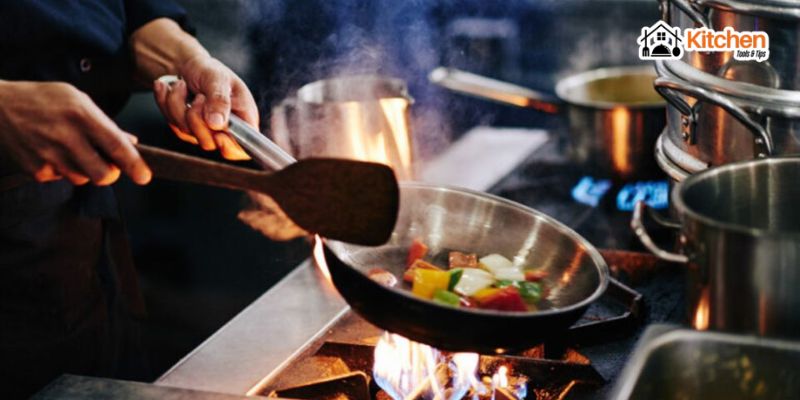
Cooking at high temperatures can damage your kitchen tools and ruin your cookware. Heat resistant kitchen tools solve this problem. They keep you safe and protect your expensive pots and pans.
This guide explains everything you need to know about heat resistant utensils. You’ll learn which materials work best and how to choose the right tools for your kitchen.
What Makes Kitchen Tools Heat Resistant?
Heat resistant tools can withstand high temperatures without melting, warping, or releasing harmful chemicals. Most can handle temperatures between 400°F and 600°F.
The material determines how much heat a tool can take. Good heat resistant tools also protect your hands from burns. They have handles that stay cool even when touching hot food.
Common Heat Resistant Materials
Silicone
Silicone is the most popular heat resistant material today. It handles temperatures up to 500°F or higher.
Benefits of silicone:
- Won’t scratch nonstick pans
- Dishwasher safe
- Flexible and easy to store
- Available in many colors
Food-grade silicone is safe and durable. Make sure you buy high-quality silicone from trusted brands.
Stainless Steel
Stainless steel withstands very high heat. It’s strong and lasts for years.
Why chefs love stainless steel:
- Extremely durable
- Easy to clean
- Won’t harbor bacteria
- Professional appearance
The downside? Metal tools can scratch delicate cookware surfaces. Use them only with stainless steel or cast iron pans.
Wood and Bamboo
Wooden spoons and spatulas are naturally heat resistant. They work well up to 400°F.
Advantages of wood:
- Gentle on all cookware
- Comfortable to hold
- Classic look
- Environmentally friendly
Wood needs more care than other materials. Hand wash and oil wooden tools regularly to prevent cracking.
Nylon
Nylon tools resist heat up to 400°F. They’re affordable and widely available.
Nylon benefits:
- Budget-friendly
- Won’t scratch surfaces
- Lightweight
- Easy to find
Check the heat rating before buying. Some cheap nylon tools melt at lower temperatures.
Best Heat Resistant Tools for Your Kitchen
Every kitchen needs these essential heat resistant tools:
Spatulas: Choose silicone or wood for flipping and stirring. Get both a regular spatula and a slotted one.
Spoons: Wooden spoons are perfect for stirring sauces and soups. Silicone spoons work great for scraping bowls clean.
Tongs: Stainless steel tongs with silicone tips offer the best grip. They’re perfect for grilling and sautéing.
Whisks: Stainless steel whisks handle hot mixtures without bending. Silicone-coated whisks protect nonstick pans.
Ladles: Deep silicone or stainless steel ladles serve hot soups safely.
Turner: A slotted turner in silicone or nylon flips delicate foods without breaking them.
How to Choose the Right Heat Resistant Tools
Consider these factors when shopping:
Your cookware type: Match tools to your pans. Nonstick cookware needs silicone or wood. Stainless steel and cast iron can handle metal tools.
Cooking style: High-heat cooking requires tools rated for 500°F or more. Bakers need tools that resist oven temperatures.
Comfort: Hold the tool before buying. The handle should feel good in your hand. Look for ergonomic designs that reduce wrist strain.
Heat rating: Always check the maximum temperature. The packaging should clearly state the heat resistance level.
Quality markers: Look for FDA-approved materials and BPA-free certifications. Read reviews from other cooks.
Care and Maintenance Tips
Proper care extends the life of your heat resistant tools.
Silicone tools: Wash with warm soapy water or use the dishwasher. Avoid sharp objects that could cut the material.
Stainless steel: Dishwasher safe. Dry immediately to prevent water spots.
Wood and bamboo: Hand wash only. Never soak in water. Apply mineral oil monthly to maintain the finish.
Nylon: Dishwasher safe but hand washing extends lifespan. Replace if you see melting or discoloration.
Store tools properly. Hang them or use a utensil holder. Don’t pile them in drawers where they can get damaged.
Safety Considerations
Even heat resistant tools have limits. Follow these safety rules:
Never leave tools in hot pans unattended. The handles can get hot even if they’re heat resistant.
Replace damaged tools immediately. Melted or cracked utensils can leak chemicals into food.
Use pot holders when needed. Some tool handles conduct heat over time.
Keep tools away from open flames. Gas burners can damage even high-heat tools.
Test new tools carefully. Start with medium heat to see how they perform.
Making the Smart Choice
Heat resistant kitchen tools are essential for safe cooking. They protect your cookware, prevent burns, and last for years when properly maintained.
Invest in quality tools made from food-grade materials. A good set of heat resistant utensils costs less than replacing damaged pans.
Start with basic pieces: a spatula, spoon, and tongs. Add more tools as you discover your cooking needs.
Choose materials that match your cookware and cooking style. Mix different materials to handle any cooking task.
With the right heat resistant tools, you’ll cook with confidence. Your food will taste better and your kitchen will be safer.