
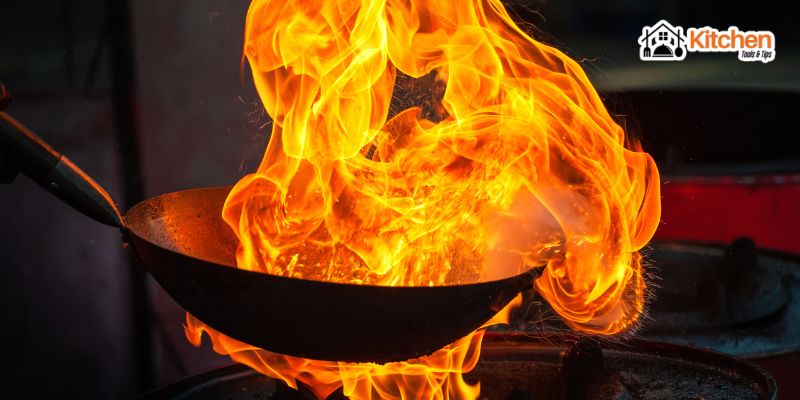
Cooking brings joy to many homes. But it also brings risks. Burns are one of the most common kitchen injuries. They can happen in seconds and cause serious pain.
The good news? Most cooking burns are preventable. With simple safety habits and awareness, you can protect yourself and your family.
This guide shares practical tips to keep you safe while preparing meals.
Why Kitchen Burns Happen
Burns occur when your skin touches something hot. In the kitchen, danger comes from many sources.
Hot surfaces like stove tops, oven doors, and cookware cause burns. Steam from boiling water or microwaved food can scald your skin. Hot oil splatters when it meets water or cold food. Even handles on pots and pans get dangerously hot.
Most burns happen due to simple mistakes. Rushing, distraction, or not using proper safety gear leads to accidents.
Understanding these risks helps you stay alert and prepared.
Essential Tips to Prevent Cooking Burns
Use the Right Protective Gear
Always wear oven mitts or pot holders when handling hot items. Choose mitts that cover your wrists for extra protection. Make sure they’re dry. Wet fabric conducts heat and won’t protect you.
Keep mitts within easy reach of your stove and oven. This prevents the temptation to grab hot items with bare hands or dish towels.
Turn Pot Handles Inward
Point pot and pan handles toward the back of the stove. This simple habit prevents several accidents.
You won’t bump handles while moving around the kitchen. Children can’t reach up and pull hot pots down. This small adjustment makes a big difference in kitchen safety.
Control Hot Oil Carefully
Hot oil causes some of the worst kitchen burns. Follow these rules when frying:
- Pat food dry before adding it to oil
- Lower food gently into the pan using tongs or a slotted spoon
- Never fill pans more than halfway with oil
- Keep a lid nearby to cover the pan if oil ignites
- Never add water to hot oil
If oil starts smoking, it’s too hot. Remove the pan from heat immediately.
Respect Steam and Boiling Water
Steam burns happen fast and hurt badly. When lifting lids off pots, tilt the lid away from you. This directs steam away from your face and hands.
Stand back when draining pasta or vegetables. The steam that rises can scald your skin.
Let pressure cookers release steam naturally when possible. If you must quick-release, point the valve away from you.
Keep Your Workspace Clear
A cluttered kitchen leads to accidents. Keep dish towels, paper products, and plastic items away from burners.
Create clear paths around your cooking area. You need space to move safely with hot pots and pans.
Store items you need within easy reach. Stretching over hot burners to grab something is dangerous.
Use Long-Handled Tools
Invest in cooking tools with long handles. Tongs, spatulas, and spoons with extended handles keep your hands away from heat.
A splatter screen protects you when frying foods. It blocks hot oil while allowing steam to escape.
Check Food Temperature Before Tasting
Hot food straight from the stove, oven, or microwave can burn your mouth and tongue. Let food cool for a moment before tasting.
Microwaved food heats unevenly. Stir it well and test the temperature before eating.
Teach Children Kitchen Safety
If children help in the kitchen, teach them safety rules early.
Keep young children away from the stove and oven. Explain that these appliances stay hot even after you turn them off.
Supervise older children closely when they cook. Make sure they understand burn risks and use protective gear.
Stay Alert While Cooking
Never cook when you’re very tired or distracted. Most accidents happen when your attention wanders.
Avoid loose, flowing sleeves that can catch fire or drag through hot burners. Roll up sleeves or wear short-sleeved shirts when cooking.
Don’t rush. Taking your time reduces mistakes and prevents burns.
Know Your Appliances
Read manuals for your stove, oven, and other cooking appliances. Each model has specific safety features and warnings.
Glass cooktops stay hot long after you turn them off. Many have indicator lights that show when surfaces are still hot.
Understand how your oven works. Know which racks get hottest and how to adjust them safely.
Handle Grease Fires Correctly
Never throw water on a grease fire. This makes it spread.
If a pan catches fire, turn off the heat and cover it with a lid. This cuts off oxygen and smothers the flames.
Keep a fire extinguisher in your kitchen. Learn how to use it before you need it.
Maintain Your Cookware
Check pots and pans regularly. Loose handles or damaged cookware can fail when holding hot food.
Replace worn oven mitts. Thin spots or holes won’t protect you properly.
Clean up grease and spills promptly. They can ignite and cause fires.
What to Do If You Get Burned
Even with precautions, burns can happen. Quick action helps minimize damage.
For minor burns, run cool (not ice-cold) water over the area for 10 to 20 minutes. This stops the burning process and reduces pain.
Don’t use ice, butter, or oil on burns. These can make injuries worse.
Cover the burn with a clean, dry bandage. Take over-the-counter pain medicine if needed.
Seek medical help for serious burns. Go to a doctor if the burn is larger than three inches, very deep, or on your face, hands, feet, or joints.
Blisters that are large or painful also need professional care.
Conclusion
Kitchen burns are painful, but most are avoidable. Use protective gear, handle hot items carefully, and stay focused while cooking.
Make these safety habits part of your routine. They become second nature with practice.
A safe kitchen is a happy kitchen. These simple steps protect you and your loved ones while you create delicious meals.
Stay alert, take your time, and cook with confidence. Your safety matters just as much as the food you prepare.