
Your Path to Perfect Herbal Drinks
I still remember my first cup of ginger tea. The warm steam rose from my glass teapot. The spicy aroma filled my kitchen. That moment changed how I viewed herbal drinks forever.
Brewing herbal drinks with kettles is simple. Anyone can do it. You just need the right tools and know-how. This guide will show you everything.
Choose Your Kettle Wisely
Electric Kettle Magic
An electric kettle makes brewing easy. It heats water fast. Most models have auto-shut features. This keeps you safe.
I use mine every single day. It boils water in just three minutes. The speed helps on busy mornings.
The Classic Teapot
A traditional teapot brings charm to your table. It keeps drinks warm longer. The ceramic or clay helps maintain heat.
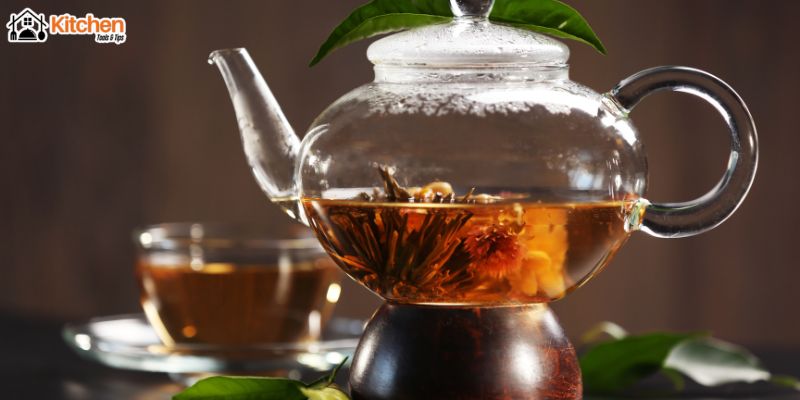
Glass teapots let you watch the magic happen. You see tea leaves unfurl. You watch colors swirl and blend. This visual treat makes brewing special.
Electric Tea Maker Benefits
An electric tea maker does more than boil. It controls exact temperatures. It times your steep perfectly. Some models even have preset modes.
These devices work great for green tea. Green tea needs lower heat. Too hot ruins the flavor. An electric tea maker prevents this.
Gather Your Brewing Tools
The Loose Tea Infuser
A loose tea infuser is your best friend. It holds tea leaves while they steep. Then you remove it easily.
Mesh infusers work for fine herbs. Basket infusers suit larger leaves. Ball infusers fit in any cup.
I prefer basket types. They give leaves room to expand. This releases more flavor.
Temperature Matters
Different herbs need different heats. Green tea wants 160 to 180 degrees. Black tea prefers 200 to 212 degrees. Herbal infusions do well at full boil.
A thermometer helps at first. Soon you will know by sight. Small bubbles mean around 180 degrees. Rolling boil hits 212 degrees.
Measuring Tools
Precision improves your drinks. Use one teaspoon per cup. Add one extra for the pot.
Start here and adjust. Some herbs taste stronger. Others need more leaves. Find what pleases your taste.
Pick the Best Ingredients
Ginger Tea Power
Ginger tea warms you from inside. It helps with digestion. It soothes upset stomachs.
Fresh ginger beats dried every time. Slice it thin. Use about one inch per cup. The spicy kick wakes up your senses.
Green Tea Goodness
Green tea packs health benefits. It contains helpful compounds. These support your body well.
Buy quality loose leaf tea. Cheap tea bags often contain dust. Real leaves give better flavor. They also provide more nutrients.
Herbal Infusions Variety
Herbal infusions offer endless options. Try chamomile for calm. Pick peppermint for energy. Choose hibiscus for tang.
Mix different herbs together. Create your own blends. Experiment until you find favorites.
Loose Leaf Tea vs Tea Bags
Loose leaf tea wins for quality. The leaves stay whole. They keep their oils and flavors.
Tea bags hold broken pieces. These lose freshness faster. They also limit water flow. This reduces taste complexity.
But tea bags offer convenience. They work great for travel. Keep both options on hand.
Quality Tea Leaves
Fresh tea leaves smell vibrant. They look colorful and whole. Old leaves appear dull and crumble.
Store leaves in airtight containers. Keep them away from light. Avoid warm spots. This preserves their goodness.
Master the Brewing Process
Step One: Heat Your Water
Fill your electric kettle with fresh water. Old water tastes flat. Cold tap water has more oxygen. This improves flavor.
Heat to the right temperature. Check your herb requirements. Most herbal tea want boiling water. Green tea needs cooler temps.
Step Two: Prepare Your Herbs
Measure your herbs carefully. Place them in a loose tea infuser. Or add them directly to your teapot.
Rinse tea leaves with warm water first. This “wakes them up.” It also removes any dust.
Step Three: Pour and Steep
Pour hot water over your herbs. Fill your glass teapot or cup. Watch the water change color.
Set a timer for steeping. This step controls strength. Here are basic times:
- Green tea: 2 to 3 minutes
- Ginger tea: 5 to 10 minutes
- Chamomile: 5 minutes
- Peppermint: 5 to 7 minutes
- Hibiscus: 5 to 6 minutes
Longer steeping makes stronger drinks. But too long brings bitterness. Start with less time. Add more if needed.
Step Four: Strain and Serve
Remove your loose tea infuser. Or pour through a strainer. This catches all herb pieces.
Serve immediately for best taste. Add honey if you like. Lemon works great too.
Try These Simple Tea Recipes
Morning Energy Blend
Combine these in your teapot:
- One teaspoon green tea
- Half teaspoon dried ginger
- Quarter teaspoon cinnamon
Steep for three minutes. This blend wakes you gently. It gives steady energy without jitters.
Evening Calm Recipe
Mix in your electric tea maker:
- One teaspoon chamomile
- One teaspoon lavender
- One teaspoon lemon balm
Steep for five minutes. Drink one hour before bed. This helps you unwind naturally.
Digestive Support Drink
Place in your loose tea infuser:
- One teaspoon peppermint
- Half teaspoon fennel
- Quarter teaspoon ginger
Steep for six minutes. Drink after meals. This soothes your stomach.
Cold Weather Warmer
Add to boiling water:
- Two slices fresh ginger
- One cinnamon stick
- Three whole cloves
- One star anise
Steep for eight minutes. Strain well. Add honey to taste. This drink fights off chills.
Coffee Alternative Option
Many people switch from coffee to herbal drinks. The transition feels smooth. Herbal drinks provide comfort without caffeine crashes.
Start your day with ginger tea. The spice provides natural alertness. Or try a green tea blend. It has gentle caffeine.
Gradually reduce your coffee intake. Replace one cup at a time. Your body will adjust easily.
Expert Tips for Better Drinks
Store Herbs Properly
Keep dried herbs in dark containers. Glass jars work perfectly. Label them with dates.
Most herbs last six months. Check for freshness regularly. Smell them before use.
Enhance Your Flavors
Fresh additions boost any blend. Try these:
- Lemon slices
- Orange peels
- Fresh mint leaves
- Honey or maple syrup
- Vanilla extract
Add these after steeping. They keep their bright flavors.
Avoid Common Mistakes
Do not use old water. Fresh water tastes better always.
Do not over-steep herbs. This creates bitter drinks. Follow time guidelines closely.
Do not skip preheating. Rinse your teapot with hot water first. This maintains proper temperature.
Do not store wet tea leaves. Always dry your infuser completely. Moisture causes mold.
Clean Your Equipment
Wash your electric kettle monthly. Use equal parts water and vinegar. Boil this mixture. Then rinse well.
Clean your glass teapot after each use. Soap residue affects taste. Rinse thoroughly every time.
Frequently Asked Questions
How much loose leaf tea should I use per cup?
Use one teaspoon per cup of water. Add one extra teaspoon for your teapot. Adjust based on desired strength. Start here and experiment.
Can I reuse tea leaves for multiple brews?
Yes, quality loose leaf tea steeps two to three times. Each brew tastes different. The first gives strong flavor. Later brews become more subtle. Herbal infusions usually work once only.
What temperature kills green tea flavor?
Water above 180 degrees damages green tea. It releases bitter compounds. Always let boiling water cool first. Wait about two minutes after boiling.
Do tea bags work as well as loose leaves?
Tea bags offer convenience but less quality. They contain smaller pieces. These release flavor faster but less fully. Loose tea infusers provide better taste overall.
How long does brewed tea stay fresh?
Drink herbal drinks within four hours. After this, flavor fades. Bacteria can grow too. Refrigerate if you must wait. Drink within 24 hours maximum.
Can I brew herbs without an infuser?
Yes, steep herbs directly in water. Then strain through a fine mesh. Or use a coffee filter. This works well for ginger tea and large herbs.
Why does my electric kettle have scale buildup?
Hard water causes mineral deposits. This affects taste over time. Descale monthly with vinegar solution. This keeps your kettle working perfectly.
What makes glass teapots better?
Glass teapots show your brew developing. This helps judge strength visually. Glass also keeps pure flavor. It does not absorb tastes like ceramic might.
Start Brewing Today
Brewing herbal drinks with kettles is rewarding. Each cup brings comfort and health. The process becomes a peaceful ritual.
Start with simple recipes. Learn your electric kettle well. Explore different tea leaves gradually.
Your perfect cup awaits. Gather your loose tea infuser. Choose quality herbs. Heat your water mindfully.
The journey to tea mastery begins now. Every brew teaches something new. Enjoy each sip along the way.
Your mornings will smell better. Your evenings will feel calmer. These small moments matter most.
Pick up that teapot. Select your favorite herbs. Brew something wonderful right now.