
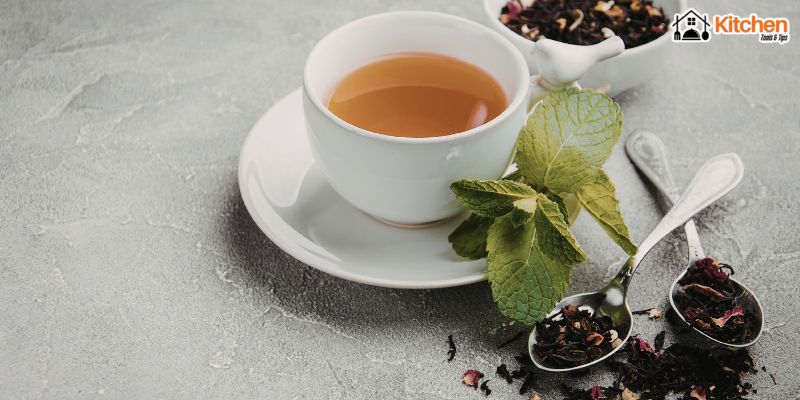
The Complete Guide: How to Brew Loose-Leaf Tea at Home
Introduction
I still remember my first cup of loose-leaf tea. The aroma filled my kitchen. The taste was rich and full. It was nothing like the tea bags I used before.
Brewing loose-leaf tea at home is simple. You get better flavor. You save money over time. You can explore hundreds of unique blends.
This guide shows you everything. You will learn the right tools. You will master the brewing steps. You will avoid common mistakes. By the end, you will brew tea like a pro.
Let me share what I learned over five years of daily tea drinking.
Understanding Loose-Leaf Tea Basics
Loose-leaf tea contains whole or large pieces of tea leaves. Tea bags often have dust and small particles. These tiny pieces release flavor fast but taste flat.
Whole leaves unfold in hot water. They release oils slowly. You get layers of flavor. Each sip tastes different.
Types of Loose-Leaf Tea
Green tea comes from unoxidized leaves. It tastes fresh and grassy. It contains less caffeine than coffee.
Black tea is fully oxidized. It has a bold, malty flavor. It works great for morning energy.
Oolong tea sits between green and black. It offers complex flavors. Some taste fruity. Others taste toasty.
White tea is the least processed. It tastes delicate and sweet. It has the most antioxidants.
Herbal tea contains no actual tea leaves. It uses flowers, roots, and herbs. Popular choices include chamomile and peppermint. You can enjoy herbal tea without caffeine worries.
Quality Matters
Good loose-leaf tea looks uniform. The leaves should be whole or large. They should smell fresh and strong.
Organic tea avoids pesticides. Many tea companies now offer certified organic options. This choice supports your health and the environment.
Store your tea in airtight containers. Keep it away from light and heat. Proper storage keeps flavor fresh for months.
Essential Equipment for Brewing
You need just a few basic tools. Don’t buy expensive gear at first. Start simple and upgrade later.
Tea Infuser Options
A tea infuser holds loose leaves while they steep. It keeps leaves out of your cup. The best infusers have fine mesh and room for leaves to expand.
Basket infusers work best. They give leaves space to open fully. Ball infusers are cheap but small. Leaves can’t expand properly in them.
My favorite is a simple basket that sits in my tea cup. It costs under ten dollars. It lasts for years.
Tea Strainer Methods
A tea strainer filters leaves when you pour. Use it if you brew in a pot without an infuser. Place it over your cup and pour through it.
Some people brew leaves directly in the pot. Then they use a strainer when serving. This method works great for multiple cups.
Choosing Your Tea Kettle
Any tea kettle works for beginners. You just need to boil water. Electric kettles are fast and convenient.
Temperature-control kettles cost more. They heat water to exact temperatures. Different teas need different heat levels. These kettles make brewing easier.
A basic stovetop kettle works fine too. Use a thermometer to check water temperature. This method saves money.
Your Tea Cup
Your tea cup affects your experience. Use a cup that holds 8 to 12 ounces. Clear glass lets you watch leaves unfold. Ceramic keeps tea hot longer.
I prefer thick ceramic mugs. They feel comfortable in my hands. They keep my tea warm while I work.
Step-by-Step Brewing Guide: How to Brew Loose-Leaf Tea at Home
Here is how to brew loose-leaf tea at home correctly. Follow these steps for perfect results every time.
Step 1: Heat Your Water
Water temperature changes everything. Too hot burns delicate leaves. Too cool makes weak tea.
Use these temperatures:
- White tea: 160-180°F
- Green tea: 170-180°F
- Oolong tea: 180-200°F
- Black tea: 200-212°F
- Herbal tea: 212°F (full boil)
Let boiling water cool for a minute. This brings it down to green tea temperature. Wait three minutes for white tea.
Step 2: Measure Your Tea
Use one teaspoon of leaves per cup. Fluffy leaves need more. Dense leaves need less.
I recommend weighing your tea. Use 2-3 grams per 8 ounces of water. A small kitchen scale costs under fifteen dollars. It ensures consistency.
Don’t pack leaves tightly. Let them breathe. They expand when wet.
Step 3: Begin Tea Preparation
Place your tea infuser in your cup. Add the measured leaves. Pour hot water over them.
Watch the leaves unfold. This is called “the agony of the leaves.” It’s beautiful to see.
Cover your cup with a small plate. This keeps heat in. It makes stronger tea.
Step 4: Time Your Steeping
Steep time affects strength and taste. Too long makes bitter tea. Too short makes weak tea.
Follow these times:
- White tea: 4-5 minutes
- Green tea: 2-3 minutes
- Oolong tea: 3-5 minutes
- Black tea: 3-5 minutes
- Herbal tea: 5-7 minutes
Set a timer. Don’t guess. Thirty seconds makes a big difference.
Step 5: Remove and Enjoy
Take out the infuser when time is up. Don’t let leaves sit in water. They will over-steep and taste bitter.
Smell your tea first. Good tea has a strong, pleasant aroma. Take small sips. Let the flavor coat your mouth.
Add honey or lemon if you want. Many loose-leaf teas taste great plain. You might not need any additions.
Step 6: Try Multiple Infusions
Quality loose-leaf tea can be brewed 2-4 times. Each infusion tastes slightly different.
Use the same leaves again. Add hot water. Steep for 30 seconds longer than before. The second cup often tastes smoother.
Some oolong teas improve with each brewing. The fifth cup can be the best.
Tea Recipes and Variations
Once you master basic brewing, try these variations. They add variety to your routine.
Perfect Iced Tea
Make regular hot tea using double the leaves. Brew it strong. While hot, pour it over ice. The ice melts and dilutes it perfectly.
Add fresh mint leaves. Try a slice of lemon. Sweeten with honey if you prefer.
Iced tea tastes best fresh. Make it the same day you drink it. Store extra in the fridge for up to two days.
Cold Brew Method
Cold brew makes smooth, sweet tea. It never tastes bitter. It’s my summer favorite.
Put leaves in cold water. Use the same amount as hot brewing. Cover and refrigerate. Let it sit for 8-12 hours.
Strain and enjoy. Cold brew works great with green tea bags too if you’re in a hurry. Just open the bags and use the leaves inside.
This method brings out natural sweetness. You might not need any sugar.
Flavored Tea Recipe
Add natural flavors while brewing. Try these combinations:
- Green tea with fresh ginger slices
- Black tea with cinnamon stick
- White tea with jasmine flowers
- Herbal tea with orange peel
These additions make custom blends. Experiment to find your favorites.
Hot Tips for Better Flavor
Preheat your tea cup with hot water. Pour it out before brewing. This keeps your tea hot longer.
Use filtered water. Tap water contains chlorine. It affects taste. Filtered water makes cleaner-tasting tea.
Never microwave water for tea. It heats unevenly. Use a proper tea kettle instead.
Choosing Quality Tea
Finding good loose-leaf tea takes some research. Here’s what to look for.
Finding a Reliable Tea Company
A good tea company provides detailed information. They list origin, harvest date, and brewing instructions. They offer samples so you can try before buying.
Read reviews from other customers. Check how fresh their tea arrives. Look for companies that restock regularly.
My trusted sources include small specialty shops. They often have better quality than grocery stores. Online retailers like Tiesta Tea offer good variety. Tiesta tea and similar companies often provide brewing guides with each purchase.
Organic vs. Conventional
Organic tea costs more but offers benefits. It contains no synthetic pesticides. The farms use sustainable practices.
If you drink tea daily, organic makes sense. You reduce chemical exposure. You support better farming.
Not all good tea is organic though. Some small farms follow organic practices but lack certification. It costs money to get certified.
Reading Labels
Check these details:
- Harvest date (fresher is better)
- Origin country
- Ingredients (single-origin or blended)
- Caffeine content
Avoid tea with added flavors or colors. Natural tea tastes better. It’s healthier too.
Price and Value
Expect to pay $10-30 per ounce for quality loose-leaf. This seems expensive. But one ounce makes 15-20 cups.
Compare this to coffee shop tea. A single cup costs $3-5. Loose-leaf saves money fast.
Buy small amounts first. Try different types. Find what you love. Then buy larger quantities.
Common Mistakes to Avoid
Learn from my early errors. These mistakes ruined many cups.
Using boiling water for all teas. Green tea needs cooler water. Boiling water destroys its delicate flavor.
Steeping too long. Set a timer. Over-steeped tea tastes bitter. You can’t fix it.
Using too much tea. More leaves don’t make better tea. They make strong, harsh tea. Follow measurements.
Forgetting to preheat your teapot. Cold vessels cool your water fast. Warm them first.
Not using a proper tea strainer or infuser. Leaves floating in your cup make drinking unpleasant. Use the right tools.
Frequently Asked Questions
How much loose-leaf tea should I use per cup?
Use one teaspoon or 2-3 grams per 8 ounces of water. Adjust based on your taste preference.
Can I reuse loose-leaf tea?
Yes. Quality leaves can be steeped 2-4 times. Add 30 seconds to each additional brewing.
What’s the difference between a tea infuser and tea strainer?
A tea infuser holds leaves while they steep in your cup. A tea strainer filters leaves when you pour from a pot into your cup.
How do I make iced tea from loose-leaf?
Brew strong hot tea using double the normal leaves. Pour over ice immediately. The ice dilutes it to perfect strength.
Do I need special equipment to brew loose-leaf tea at home?
No. You need just three things: a way to heat water, a tea infuser or tea strainer, and a cup. Everything else is optional.
Conclusion
You now know how to brew loose-leaf tea at home. Start with basic equipment. Choose quality tea from a trusted tea company. Follow the simple steps.
Water temperature matters. Steeping time matters. The right tools make brewing easy.
Try different types. Green tea offers gentle energy. Black tea provides bold flavor. Herbal tea gives caffeine-free relaxation.
Make iced tea in summer. Try cold brew for smooth flavor. Experiment with natural additions.
The perfect cup awaits you. Your tea kettle is ready. Your tea cup is waiting.
Start your loose-leaf journey today. Your taste buds will thank you.