
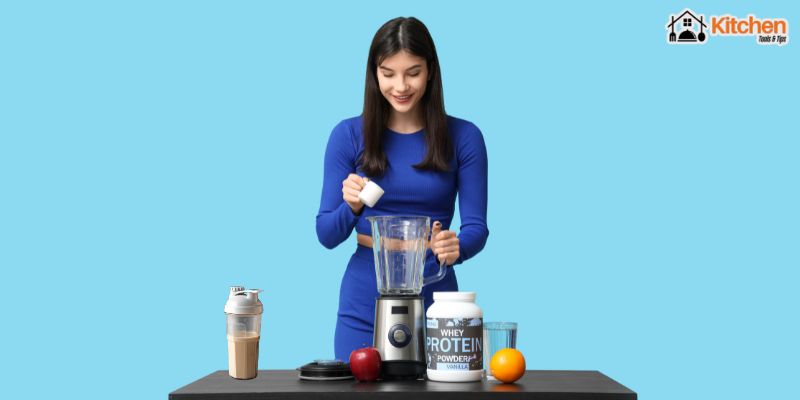
How to Choose a Blender for Protein Shakes: Your Complete Guide
Introduction
Making protein shakes at home saves money. It also gives you control over what goes in your drink. But you need the right tool for the job.
A good blender makes smooth shakes every time. It breaks down protein powder without lumps. It crushes ice with ease. And it cleans up fast.
This guide will help you pick the best blender for your needs. You’ll learn what features matter most. You’ll see which types work best. And you’ll avoid common mistakes.
Let’s dive in.
Why Your Blender Choice Matters
Not all blenders are equal. Some leave chunks in your shake. Others leak all over your counter. The wrong choice wastes your time and money.
A poor blender creates lumpy drinks. Protein powder sticks to the sides. Ice stays in chunks. Your shake tastes bad and feels worse.
The right blender solves these problems. It makes creamy shakes in seconds. It handles frozen fruit with ease. And it lasts for years.
Your choice affects your daily routine. A good personal blender fits your lifestyle. It makes healthy habits easier to keep.
Understanding Different Blender Types
Personal Blenders
Personal blenders are small and simple. They blend right in the cup you drink from. This saves time on cleanup.
The Nutribullet blender is a popular choice. It’s compact and powerful. You blend, twist off the blade, and drink.
These work great for single servings. Most hold 16 to 24 ounces. That’s perfect for one protein shake.
Bullet Blenders
Bullet blenders are similar to personal types. They use a bullet-shaped cup. The design makes them very portable.
A bullet blender fits in most car cup holders. Take your shake to the gym. Blend at work during lunch.
These excel at basic shakes. They handle protein powder and liquid well. Some struggle with frozen fruit or ice.
Full-Size Countertop Blenders
These are the traditional style. They have a large pitcher on a motor base. Most hold 40 to 70 ounces.
A Ninja blender is one example. These blend multiple servings at once. Great for families or meal prep.
The downside? They take up counter space. They’re harder to clean. And they cost more upfront.
Portable Blenders
Portable blenders run on batteries. You can blend anywhere. No outlet needed.
These are perfect for travel. Take them camping or to the office. Most charge via USB.
The trade-off is power. They’re weaker than plug-in models. They work best for simple shakes without ice.
Key Features to Consider When Choosing a Blender for Protein Shakes
Motor Power
Power matters more than you think. It’s measured in watts. Higher watts mean more blending strength.
For protein shakes, aim for 250 watts minimum. This handles powder and liquid easily. For ice and frozen fruit, you need 600 watts or more.
A powerful motor makes smoother shakes. It also works faster. Your shake is ready in 30 seconds instead of two minutes.
Blade Design
Blades do the actual work. Look for stainless steel blades. They stay sharp longer.
Multiple blades blend better. Four to six blades create a vortex. This pulls ingredients down into the cutting zone.
Some blades are removable. Others are fixed. Removable blades make cleaning easier. Fixed blades last longer and leak less.
Container Size
Think about your serving size. Do you drink 16 ounces or 32 ounces?
A personal blender typically holds 16 to 24 ounces. Perfect for one shake. Larger models hold 32 ounces or more.
Match the size to your needs. Too big wastes space. Too small means making multiple batches.
Material Quality
The cup material affects durability. Plastic is light and cheap. But it scratches and stains.
Glass resists stains better. It’s heavier and costs more. Some people prefer the feel.
BPA-free plastic is a must. You don’t want chemicals in your shake.
Ease of Cleaning
Cleaning takes time. A hard-to-clean blender sits unused.
Look for dishwasher-safe parts. Wide openings make hand washing easier. Fewer pieces mean faster cleanup.
Some models have self-cleaning modes. Add water and soap, then blend. This loosens stuck-on protein powder.
Noise Level
Blenders are loud. Some are louder than others.
If you blend early morning, noise matters. Look for models labeled “quiet” or with sound shields.
Most personal blenders are quieter than full-size ones. Smaller motors make less noise.
Price Range
Good blenders start around $30. High-end models cost $200 or more.
For basic protein shakes, a $40 to $60 model works fine. You get decent power and durability.
Spending more gets you extra features. Think preset programs or stronger motors. Only pay for what you’ll actually use.
Best Blender Types for Different Needs
For Daily Single Servings
A personal blender is your best bet. It’s quick and easy. You blend and go.
The cup becomes your drinking container. No extra dishes to wash. Perfect for busy mornings.
For Meal Prep and Families
Choose a full-size blender. Make four servings at once. Store extras in the fridge.
This saves time during the week. Blend once, drink for days. A food processor can also help with ingredient prep.
For Gym and Travel
Get a portable blender. Battery power gives you freedom. Blend in the car or at work.
A homemade protein shaker bottle is also handy. Mix pre-blended ingredients on the go. Some people use both tools together.
For Thick Shakes and Smoothies
You need serious power. Look for 1000 watts or more. Multiple speed settings help too.
These handle frozen bananas and ice. Your shake comes out creamy every time. A dedicated smoothie maker often has these features.
For Budget Shoppers
Basic personal blenders work well. They cost $30 to $50. They last two to three years with daily use.
You sacrifice some features. But they blend protein powder just fine. A simple shake maker does the job.
Common Mistakes to Avoid
Buying Too Much Power
More power isn’t always better. A 1500-watt blender is overkill for protein shakes. You pay extra for features you don’t need.
Match the power to your ingredients. Simple shakes need less. Frozen fruit needs more.
Ignoring the Cup Material
Cheap plastic cracks and clouds over time. It also holds odors. Invest in better materials upfront.
Good plastic or glass lasts longer. It looks better too. Your shake tastes fresher from a clean cup.
Forgetting About Portability
Think about where you’ll use it. A countertop model doesn’t travel well. A portable one might not blend thick enough.
Choose based on your lifestyle. Do you blend at home or on the go?
Skipping Reviews
Other users share real experiences. They reveal problems manufacturers hide. Read reviews before buying.
Look for comments about durability. Check if protein powder blends smoothly. See how well it handles ice.
Overlooking Warranty
Blenders break. Motors burn out. Blades dull.
A good warranty protects your investment. Look for at least one year. Some companies offer five years or more.
How to Test Your New Blender
The Basic Protein Test
Start simple. Add water and one scoop of best protein powder. Blend for 20 seconds.
The shake should be smooth. No lumps or chunks. Protein powder should fully dissolve.
The Ice Test
Add six ice cubes and water. Blend for 30 seconds.
A good blender crushes ice completely. Poor ones leave chunks. This test shows true power.
The Frozen Fruit Test
Try frozen berries or banana slices. These are tougher than ice.
A capable blender makes them smooth. This mimics real shake recipes you’ll use.
The Cleanup Test
Wash it immediately after use. Time how long it takes.
Easy cleaning means you’ll use it more. Difficult cleaning leads to avoiding your blender.
Maintaining Your Blender for Best Results
Daily Cleaning
Rinse immediately after each use. Protein powder dries fast and sticks hard.
Add warm water and a drop of dish soap. Blend for 10 seconds. This cleans the blades easily.
Weekly Deep Clean
Take apart removable pieces. Scrub with a brush. Get into blade crevices.
This prevents buildup. Your shakes taste fresher. The motor runs smoother too.
Blade Care
Check blades monthly. Dull blades work harder. They strain the motor.
Some blades can be sharpened. Others need replacing. Follow manufacturer guidelines.
Motor Base Cleaning
Wipe the base with a damp cloth. Never submerge it in water. The motor will die.
Keep vents clear of dust. This prevents overheating. Your blender lasts longer.
Frequently Asked Questions
Q: What power do I need for protein shakes?
A: You need at least 250 watts for basic shakes. Choose 600 watts if you add ice or frozen fruit.
Q: Can I use a regular blender for protein shakes?
A: Yes. Any blender works for protein shakes. Personal blenders are just more convenient.
Q: How do I prevent protein powder from clumping?
A: Add liquid first, then powder. Blend in short pulses. This prevents clumps from forming.
Q: Are expensive blenders worth it?
A: It depends. For simple shakes, a $50 model works fine. Complex recipes need more power.
Q: How long should a good blender last?
A: With proper care, expect three to five years. High-quality models last even longer.
Q: Can I blend hot liquids for protein shakes?
A: Check your manual first. Most personal blenders handle only cold liquids. Hot liquid creates pressure.
Q: What’s better: plastic or glass containers?
A: Glass resists stains and scratches. Plastic is lighter and doesn’t break. Both work well.
Final Thoughts
Choosing the right blender changes your protein shake game. You save time. You save money. And you drink better shakes.
Remember these key points. Match power to your ingredients. Pick the right size for your needs. Read reviews before buying. And maintain it properly.
The best blender for you fits your lifestyle. It makes your healthy habits easier. It lasts for years without problems.
Start with your budget and needs. Then narrow down your options. Test it thoroughly when it arrives.
Your perfect shake maker is out there. Now you know how to find it.
Make smooth, delicious protein shakes every single day. Your body will thank you.