
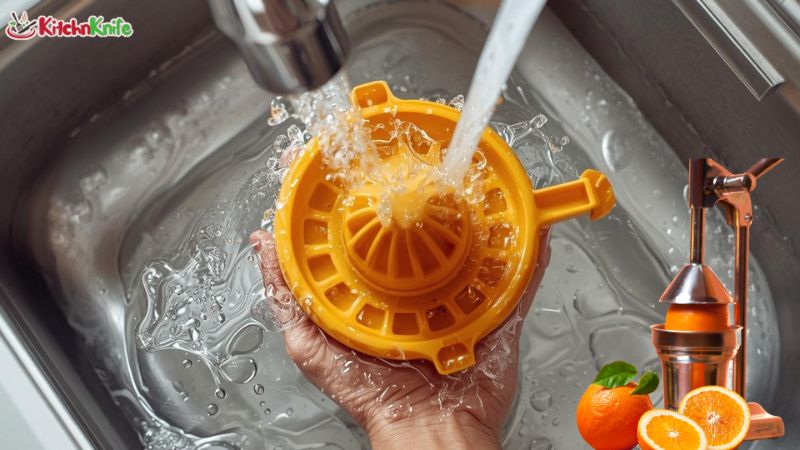
How to Clean a Citrus Juicer Fast: Simple Steps That Work
I’ve been making fresh orange juice every morning for five years. I know the pain of sticky pulp dried on your juicer. It makes cleaning feel like a chore.
But here’s the good news. You can learn how to clean a citrus juicer fast. It takes just 5 minutes when you know the right steps.
This guide shows you exactly how to clean every type of citrus juicer. From Cuisinart electric models to simple hand juicers. Let’s dive in.
Why Quick Cleaning Matters
Citrus juice dries fast. It turns sticky and hard. This makes your orange juice maker harder to clean later.
I learned this the hard way. I left my Cuisinart citrus juicer overnight once. The pulp became like cement. It took me 30 minutes to scrub it clean.
When you clean right after juicing, it takes only 5 minutes. The pulp wipes away easily. Your fruit juicer stays in great shape.
What You Need to Clean Fast
Keep these items ready:
- Warm water (not hot)
- Mild dish soap
- Soft brush or old toothbrush
- Clean towel
- Small bowl for soaking
That’s it. You don’t need special cleaners. Simple tools work best for any electric citrus juicer or manual model.
Fast Cleaning for Electric Juicers
Electric juicers like the Cuisinart models have more parts. But cleaning them is still quick. Here’s my exact process.
Step 1: Unplug and Disassemble
Always unplug your electric juicer first. This keeps you safe.
Take apart all removable parts. This includes the reamer, strainer, and juice container. Most electric citrus models have 3 to 5 parts.
Step 2: Rinse Right Away
Run each part under warm water. This removes most pulp instantly.
I use my fingers to wipe away the soft pulp. It comes off easily when fresh. This step takes only 30 seconds.
Step 3: Soap and Scrub
Add a few drops of dish soap to your brush. Scrub each part gently.
Pay extra attention to the strainer holes. Pulp gets stuck there. My soft brush reaches into all the tiny spaces.
The stainless steel parts on quality juicers clean up nicely. They don’t stain like plastic does.
Step 4: Rinse and Dry
Rinse all soap off with clean water. Make sure no bubbles remain.
Dry each part with your towel. Or let them air dry on a clean rack. I prefer to dry by hand. It’s faster.
Step 5: Wipe the Base
Never put the motor base in water. Wipe it with a damp cloth instead.
Clean any juice spills on the base. Then dry it completely. Your orange juicer is now ready for next time.
How to Clean Manual Juicers Quickly
Manual juicers are even easier. They include hand juicers, lime squeezers, and orange squeezers. These portable juicer options have fewer parts.
For Simple Hand Juicers
Hand juicers usually come in one or two pieces. Cleaning takes 2 minutes tops.
- Rinse under warm water
- Rub with soapy fingers
- Use a brush on grooves
- Rinse again
- Dry with a towel
For Dual-Function Models
Some models like the Sunvivi dual juicer work for lemons and oranges. They might have a rotating reamer.
Clean both sides if your model has two reamers. Check under the reamer for hidden pulp. That spot often gets missed.
Deep Cleaning for Tough Stains
Sometimes pulp dries before you clean. Or oils from citrus peels leave stains. Don’t worry. I have solutions.
The Soaking Method
Fill a bowl with warm water and soap. Let stained parts soak for 10 minutes.
The water softens dried pulp. It becomes easy to wipe away. This works great for any orange juice maker with stubborn bits.
Baking Soda Paste
Mix baking soda with a little water. Make a thick paste.
Rub this on stains. Let it sit for 5 minutes. Then scrub gently. Rinse well. This trick removes even old stains from plastic parts.
White Vinegar for Mineral Buildup
Hard water leaves white spots on your juicer. Vinegar dissolves these spots.
Soak parts in equal parts water and vinegar for 15 minutes. Rinse thoroughly. Your stainless components will shine again.
Common Mistakes That Slow You Down
I’ve made these mistakes. You can avoid them and clean faster.
Mistake 1: Using Hot Water
Hot water cooks citrus proteins. This makes them stick harder. Always use warm water instead.
Mistake 2: Waiting Too Long
The longer you wait, the harder cleaning becomes. Clean within 15 minutes of juicing. This is the golden rule for learning how to clean a citrus juicer fast.
Mistake 3: Harsh Scrubbers
Steel wool scratches plastic and stainless parts. It damages your fruit juicer over time. Stick to soft brushes.
Mistake 4: Dishwasher Damage
Check your manual first. Some parts are dishwasher safe. Others are not.
I hand wash all my juicers. It’s gentler and just as quick. Plus, I can dry them right away.
Maintenance Tips for Long-Term Care
Keep your citrus juicer working great for years. These habits help.
Daily Care
- Clean immediately after each use
- Dry all parts completely before storing
- Check for missed pulp in crevices
Weekly Deep Clean
Once a week, do a deeper clean. Use the baking soda method even if you don’t see stains. This prevents buildup.
Check all moving parts on your electric juicer. Make sure they turn smoothly. Clean any sticky spots you find.
Storage Matters
Store your juicer in a clean, dry place. Don’t stack heavy items on top of it.
I keep my Cuisinart on the counter. It’s ready when I need it. The parts stay in a nearby drawer.
Pro Tips from My Experience
- →Keep a small brush next to your juicer for quick cleanups
- →Rinse your portable juicer between different citrus fruits to avoid flavor mixing
- →Clean your lime squeezer right after limes. Lime juice is more acidic and can stain
- →If you juice daily, replace your brush every 3 months for best results
Frequently Asked Questions
How often should I deep clean my citrus juicer?
Deep clean your juicer once a week if you use it daily. For less frequent use, deep clean once a month. Regular quick cleaning after each use prevents heavy buildup.
Can I put my electric citrus juicer in the dishwasher?
Check your user manual first. Most removable parts are dishwasher safe on the top rack. Never put the motor base in water or a dishwasher. Hand washing is often faster and gentler.
What removes citrus oil stains from plastic parts?
Baking soda paste works best for oil stains. Mix baking soda with water, apply to stains, wait 5 minutes, then scrub gently. For tough stains, try rubbing alcohol on a cloth.
Why does my juicer smell bad even after cleaning?
Bacteria can grow in small crevices you missed. Soak all parts in warm water with white vinegar for 15 minutes. Scrub thoroughly, especially in grooves and holes. Make sure parts dry completely before storing.
How do I clean the tiny holes in the strainer?
Use an old toothbrush or small bottle brush. Scrub from both sides while running water through the holes. For stubborn pulp, soak the strainer for 10 minutes first. A toothpick can clear individual holes if needed.
Is it okay to use bleach on my juicer?
No, avoid bleach on juicer parts. It can leave harmful residue and damage plastic or rubber components. Stick to dish soap, baking soda, and white vinegar for safe, effective cleaning.
Final Thoughts
Learning how to clean a citrus juicer fast changes your morning routine. You spend less time cleaning and more time enjoying fresh juice.
Whether you own a Cuisinart electric model, a simple hand juicer, or any orange squeezer in between, these steps work. Clean right after juicing. Use warm water and gentle tools. Avoid common mistakes.
I’ve tested these methods on every type of fruit juicer I own. They work every single time. My juicers stay spotless and work like new.
Start using these tips tomorrow morning. Your future self will thank you when cleaning takes just 5 minutes instead of 30.
Now you know exactly how to clean a citrus juicer fast. Get juicing and enjoy the fresh taste of citrus without the cleaning hassle.