
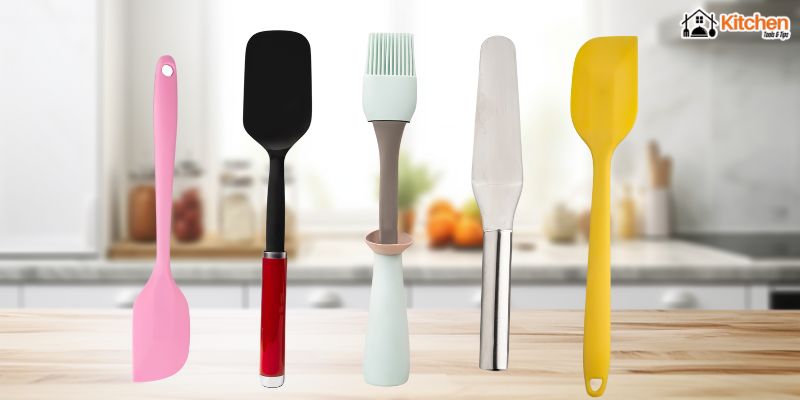
How to Clean a Silicone Spatula: Simple Steps for Spotless Kitchen Utensils
I’ve been cooking for over 15 years. My silicone spatulas have seen it all. Sticky sauces. Greasy pans. Bright curry stains. I know how frustrating it is when your favorite spoon spatula looks dingy and stained.
Let me share what I’ve learned about keeping silicone cooking utensils clean and fresh.
Why Your Silicone Spatula Gets So Dirty
Silicone cookware is amazing. It’s heat-resistant. It’s flexible. It lasts for years. But there’s one problem. The material is porous. This means it grabs onto grease and food particles.
Your rubber spatula might look clean after a quick rinse. But oils and stains sink deep into the material. Over time, this makes your kitchen utensils look old and grimy.
The good news? You can fix this. I’ll show you how.
Daily Cleaning: The Foundation
Every time you cook, clean your silicone utensils right away. This prevents stains from setting in.
Dishwasher Method:
- Place your spatula on the top rack
- Use hot water setting
- Add regular dish detergent
- Let it air dry completely
Hand Washing Method:
- Use very hot water
- Add a few drops of dish soap
- Scrub with a soft sponge
- Rinse thoroughly
- Dry with a clean towel
I wash my spatula set by hand most days. It takes 30 seconds. Hot water melts away grease before it sticks.
Deep Cleaning for Stubborn Stains
Sometimes regular washing isn’t enough. Your cooking spatula needs a deep clean. Here are my tried-and-true methods.
The Baking Soda Paste Method
This is my go-to trick. It works every time.
What you need:
- 3 tablespoons baking soda
- 1 tablespoon water
- A soft brush or sponge
Steps:
- Mix baking soda and water into a thick paste
- Spread the paste all over your silicone spatula
- Let it sit for 15 minutes
- Scrub gently in circular motions
- Rinse with hot water
- Repeat if needed
This method helps remove stains that have been there for weeks. The baking soda is mildly abrasive. It lifts stains without damaging the silicone.
The Vinegar Soak Solution
Vinegar is a natural cleaner. It cuts through grease and removes odors.
What you need:
- 1 cup white vinegar
- 2 cups hot water
- A bowl or container
Steps:
- Mix vinegar and hot water in a bowl
- Submerge your silicone utensils completely
- Soak for 30 minutes
- Remove and scrub with dish soap
- Rinse well
- Air dry
I use this for my entire spatula set once a month. It keeps everything fresh and clean.
The Lemon Juice Treatment
Lemon juice is acidic. It breaks down grease and brightens silicone.
What you need:
- 2 fresh lemons
- Hot water
- Salt (optional)
Steps:
- Cut lemons in half
- Rub lemon directly on stained areas
- Sprinkle salt for extra scrubbing power
- Let it sit for 10 minutes
- Wash with hot soapy water
- Rinse completely
This works great on my spoon spatula when it gets tomato stains. The natural acid lifts the color right out.
The Boiling Water Method
This is the most powerful deep clean. Use it for really tough stains.
What you need:
- Large pot
- Water
- 1 tablespoon dish soap
Steps:
- Fill pot with water
- Add dish soap
- Bring to a boil
- Drop in your silicone spatula
- Boil for 10 minutes
- Remove carefully with tongs
- Let cool and rinse
The heat opens up the pores in the silicone. The soap pulls out trapped oils and food particles. Your kitchen utensils come out looking brand new.
Tackling Specific Stain Types
Different foods create different problems. Here’s how I handle each one.
Grease and Oil Stains
Grease loves silicone. It seeps in deep.
My solution:
- Use very hot water
- Add grease-cutting dish soap
- Scrub immediately after cooking
- Don’t let oil sit overnight
For set-in grease, I use the baking soda paste method. It works every time.
Tomato Sauce Stains
Tomato turns your cooking spatula orange. I hate that.
My solution:
- Rinse in cold water first
- Apply baking soda paste
- Let sit for 20 minutes
- Scrub and rinse
- Repeat if needed
Cold water prevents the stain from setting. Hot water makes it worse at first.
Turmeric and Curry Stains
These are the worst. Bright yellow stains that won’t quit.
My solution:
- Make a paste with baking soda and hydrogen peroxide
- Apply to stains
- Place in direct sunlight for 2 hours
- Wash normally
The sun bleaches out the yellow color naturally. This is one of my favorite kitchen hacks.
Food Odors
Silicone cooking utensils can smell like last week’s dinner. Gross.
My solution:
- Soak in vinegar solution overnight
- Wash with lemon juice
- Air dry in fresh air
- Store in a dry place
If odors persist, I boil my rubber spatula with a splash of vanilla extract. It smells amazing after.
Prevention: Keep Your Spatulas Clean Longer
I’ve learned that prevention saves time. Here are my daily habits.
Smart cooking practices:
- Don’t leave spatulas in hot pans
- Rinse immediately after use
- Avoid leaving them in tomato sauce
- Use wooden spatula for acidic foods sometimes
Proper storage:
- Store spatulas upright in a utensil holder
- Keep them away from direct sunlight
- Make sure they’re completely dry
- Don’t stack wet silicone utensils
Quick maintenance:
- Wipe down after each use
- Deep clean once a month
- Check for wear and tear
- Replace when necessary
Comparing Different Kitchen Utensils
I own many types of spatulas. Each needs different care.
Silicone vs Rubber Spatula: Silicone handles heat better. It goes up to 600°F. Rubber spatulas melt at lower temps. But rubber is less porous. It stains less easily.
Wooden Spatula Care: Wood can’t go in the dishwasher. It cracks and splits. I hand wash mine with mild soap. Then I oil them monthly with mineral oil. They last forever with proper care.
Metal Cooking Spatula: Metal is easiest to clean. It doesn’t stain. But it scratches pans. I use metal only on cast iron or stainless steel.
When to Replace Your Silicone Spatula
Even with great care, silicone wears out. Replace your spatula set when:
- The edges are torn or frayed
- Deep cracks appear in the silicone
- The spatula becomes sticky or tacky
- Stains won’t come out anymore
- It smells bad even after deep cleaning
I replace mine every 2-3 years. Good quality silicone cookware lasts longer.
My Favorite Kitchen Hacks
Here are bonus tips I’ve discovered:
The Freezer Trick: Freeze your silicone utensils for an hour. Then scrub with baking soda. The cold makes stains easier to remove.
The Dishwasher Detergent Soak: Mix powdered dishwasher detergent with hot water. Soak overnight. This removes the toughest grease.
The Rubbing Alcohol Method: For sticky residue, rub with alcohol on a cloth. It dissolves adhesives and sticky buildup.
Why Clean Silicone Matters
Clean kitchen utensils are about more than looks. Old food particles harbor bacteria. Rancid oils taste bad. They contaminate your fresh food.
I take pride in my clean spatula set. When friends come over, they notice. Clean tools show you care about your cooking.
Plus, clean silicone cookware lasts longer. You save money. You reduce waste.
Final Thoughts
Cleaning a silicone spatula isn’t hard. It just takes the right method. I use daily washing for maintenance. Deep cleaning removes stubborn stains. Prevention keeps my kitchen utensils looking new.
Start with the baking soda paste. It’s simple and effective. If that doesn’t work, try the boiling method. One of these will definitely remove stains from your favorite cooking spatula.
Your silicone cooking utensils deserve proper care. They help you make amazing meals. Keep them clean. They’ll serve you for years.
Now you know all my secrets. Go clean that stained spoon spatula. You’ll love how it looks.
Frequently Asked Questions
Q: Can I put my silicone spatula in the dishwasher? Yes. Place it on the top rack. Use hot water and regular detergent. The dishwasher is safe for most silicone utensils.
Q: Why does my silicone spatula still smell after washing? Odors get trapped in the pores. Soak it in white vinegar overnight. Then wash with lemon juice. This removes stubborn smells.
Q: How often should I deep clean my silicone cooking utensils? Deep clean once a month. If you cook with oily or acidic foods daily, clean every two weeks.
Q: Are white silicone spatulas harder to keep clean? Yes. White shows stains more. But the cleaning methods work the same. Light colors need more frequent deep cleaning.
Q: Can I use bleach on my silicone spatula? No. Bleach damages silicone. It makes it sticky and breaks down the material. Use baking soda or vinegar instead.
Q: What’s the best way to remove grease from a rubber spatula? Use very hot water with grease-cutting dish soap. For set-in grease, apply baking soda paste and scrub thoroughly.
Q: Is it normal for silicone to stain? Yes. Silicone is porous and absorbs colors and oils. Regular cleaning prevents permanent staining. Caught early, all stains come out.