
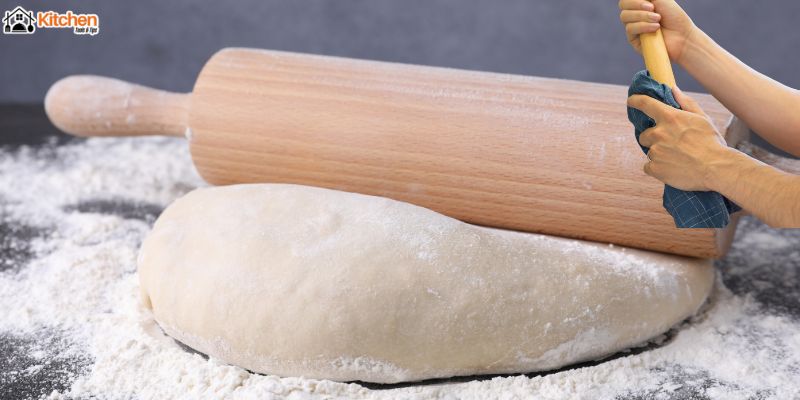
How to Clean a Wooden Rolling Pin: Simple Steps for Bakers
Why Cleaning Your Wooden Rolling Pin Matters
Your wooden rolling pin is a kitchen essential. It helps you roll dough for cookies, pastry, and other baked goods. But keeping it clean takes more than a quick rinse. Wood absorbs moisture and food particles. If you clean it wrong, you might ruin it.
I have used wooden cooking tools for over ten years. I learned these methods through trial and error. Now my rolling pins last for years without cracking or warping.
What Makes Wooden Rolling Pins Different
Wooden utensils need special care. Unlike marble rolling pins or silicone tools, wood is porous. It soaks up water like a sponge. This means you cannot throw it in the dishwasher or let it sit in water.
Wood also changes with temperature and moisture. Too much water causes swelling. Too little care leads to cracks. But with the right cleaning steps, your dough roller will stay smooth and ready for baking.
Many bakers love wooden rolling pins for their natural feel. They do not stick to dough like some materials do. The wood absorbs just enough flour to create a non stick surface naturally.
Daily Cleaning: The Right Way
Clean your rolling pin right after each use. This prevents dried dough from hardening on the surface. Here is how I do it every time.
First, scrape off any stuck dough. Use your hands or a bench scraper. Gently remove flour, fondant, or cookie pastry bits. Do not use sharp knives. They scratch the wood.
Next, rinse the rolling pin under warm water. Keep it quick. Do not let it soak. Use your hands to rub away any remaining bits. The warmth helps loosen sticky dough.
Then grab a damp cloth. Wipe down the entire surface. Get into the handles too. Make sure no dough hides in the crevices.
Skip the soap most of the time. Plain water works for daily cleaning. Wood can absorb soap and give your next batch of baked goods a weird taste.
After wiping, dry it right away. Use a clean towel. Pat down every part. Then stand it upright or lay it on a dry towel. Let it air dry completely.
Never put your wooden rolling pin in the dishwasher. The heat and long water exposure will destroy it. The wood will crack, warp, or split.
Deep Cleaning for Stubborn Messes
Sometimes regular cleaning is not enough. Sticky fondant or oily pastry dough can leave residue. Here is how to tackle tough cleaning jobs.
Mix a tiny bit of mild dish soap with warm water. Dip your cloth in this mixture. Wring it out well. You want it damp, not dripping. Wipe the rolling pin thoroughly.
For really stuck bits, use a bench scraper at an angle. Gently scrape along the wood grain. Do not dig into the surface. Just lift away the stuck pieces.
If your rolling pin smells odd, make a paste. Use baking soda and a few drops of water. Rub this gently on the wood. Let it sit for five minutes. Then wipe it off with a damp cloth.
After deep cleaning, rinse with plain water on a cloth. Make several passes to remove all soap. Then dry completely as described above.
Some bakers use coarse salt as a scrub. Sprinkle it on the damp wood. Rub with half a lemon. This cleans and deodorizes. Rinse well and dry.
The Drying Process Matters
Drying is just as important as washing. Wet wood leads to problems. Mold can grow. The wood can crack or warp.
After each wash, towel dry your rolling pin first. Get all visible moisture off. Pay attention to the handles and any grooves.
Then let it air dry completely. This takes about two hours. Place it somewhere with good air flow. Avoid direct sunlight or heat sources. These can cause the wood to dry too fast and crack.
Never store a damp rolling pin. Check that it feels totally dry before putting it away. Run your hand over the surface. It should feel room temperature and smooth.
Stand your rolling pin upright while drying when possible. This lets air reach all sides evenly.
Proper Storage Keeps It Ready
Store your wooden rolling pin in a dry place. I keep mine in a drawer with other baking utensils. Make sure air can circulate around it.
Do not stack heavy items on top. This can cause pressure marks or warping over time. Give your dough roller its own space in the kitchen.
Keep it away from the stove or oven. Heat sources dry out wood too much. This leads to cracks and splits.
Some people hang their rolling pins. This works well if you have wall space. It keeps them visible and easy to grab for baking.
Conditioning Your Wooden Rolling Pin
Wood needs oil to stay healthy. This is called conditioning. It prevents the wood from drying out and cracking.
Use food safe mineral oil. You can find this at any kitchen store. Do not use vegetable oil or olive oil. These go rancid and smell bad.
Apply oil once a month if you bake often. If you use your rolling pin less, do it every few months.
Pour a small amount of oil on a cloth. Rub it all over the rolling pin. Cover every surface including handles. Let it soak in for a few hours or overnight.
Wipe off any excess oil before using. Your rolling pin should feel smooth, not greasy.
This process keeps the wood from absorbing moisture during use. It also maintains that natural non stick quality wood provides.
Common Problems and Solutions
Sticky Surface
If your rolling pin feels sticky, it needs cleaning and oiling. Wash it with a tiny bit of soap. Dry it completely. Then condition it with mineral oil.
Bad Smells
Wood can pick up odors from strong ingredients. Clean it with baking soda paste. Or rub it with lemon and salt. Always dry well after.
Rough Texture
Over time, wood can feel rough. Very fine sandpaper can smooth it out. Sand lightly with the grain. Then wash, dry, and oil it.
Dark Stains
These are normal and do not affect performance. Wood darkens with age and use. This shows your rolling pin has character and history in the kitchen.
Tools That Help With Cleaning
A good bench scraper is worth having. It removes stuck dough quickly without damaging wood. Keep one near your baking area.
Microfiber cloths work great for drying. They absorb moisture well and do not leave lint behind.
Natural bristle brushes can help clean carved or textured rolling pins. Use gentle strokes to avoid scratching.
What About Other Materials
Marble rolling pins stay cold, which helps with certain pastry work. But they are heavy and can break. They also need different care than wooden cooking tools.
Silicone rolling pins are easy to clean. You can put them in the dishwasher. But they lack the traditional feel many bakers prefer.
Each material has its place. I use wooden rolling pins for most tasks. They feel right in my hands and work beautifully with cookie dough and fondant.
Making Cleaning a Habit
Clean your rolling pin every time you use it. This takes less than two minutes. It prevents buildup and keeps your baking utensils ready.
Check it once a week even if not using it. Make sure it stays dry and clean in storage. Dust can settle on things in drawers.
Oil it regularly based on use. Mark your calendar if needed. This small step extends the life of your tools significantly.
Signs You Need a New Rolling Pin
Even with good care, wooden items do not last forever. Deep cracks mean moisture has gotten inside. This can harbor bacteria. Time for a replacement.
If the wood splits or breaks, do not try to fix it. A damaged dough roller can hurt your hands or contaminate food.
Major warping changes how it rolls. Your baked goods will not turn out even. Get a new one if yours has bent badly.
But with proper cleaning and care, a quality wooden rolling pin can last many years. Mine has been with me through countless batches of cookies and pastry.
Frequently Asked Questions
Can I put my wooden rolling pin in the dishwasher?
No, never put wooden utensils in the dishwasher. The heat and water exposure cause cracking, warping, and splitting. Always hand wash and dry your wooden rolling pin.
How do I remove dried dough from my rolling pin?
Soak a cloth in warm water and lay it over the dried dough for a few minutes. This softens it. Then use a bench scraper to gently lift it away. Wash and dry as normal.
What oil should I use on my wooden rolling pin?
Use food grade mineral oil. Do not use cooking oils like olive or vegetable oil. These go rancid over time and create bad smells and sticky surfaces.
How often should I oil my wooden rolling pin?
Oil it once a month if you use it weekly. If you bake less often, every two to three months is fine. The wood should always feel smooth, not dry.
Can I use soap to clean my wooden rolling pin?
Use soap sparingly. For daily cleaning, plain water works best. Only use a tiny bit of mild soap for deep cleaning or when dealing with oily dough. Always rinse well and dry completely.
Why does my rolling pin smell bad?
Wood absorbs odors from food. Clean it with baking soda paste or rub it with lemon and salt. Dry it completely. Then oil it. This should remove most smells.
Final Thoughts
A clean wooden rolling pin is a happy rolling pin. These simple steps keep your baking tools in great shape. Wash after each use. Dry completely. Oil monthly. Avoid the dishwasher.
Your rolling pin helps create wonderful baked goods. It deserves good care. Treat it right and it will serve you for many years in the kitchen.
Start these habits today. Your wooden cooking tools will thank you. And your next batch of cookies or pastry will roll out perfectly on a clean, smooth surface.