
Your kitchen appliances work hard every day. They deserve proper care and cleaning. But cleaning them the wrong way can damage your appliances or hurt you.
This guide shows you how to clean each appliance safely. You’ll learn the best methods and avoid common mistakes.
Safety First: What You Need to Know
Always unplug appliances before cleaning. This prevents electric shocks and accidents.
Never spray water directly into electrical parts. Use a damp cloth instead.
Wait for appliances to cool down completely. Hot surfaces can burn your skin.
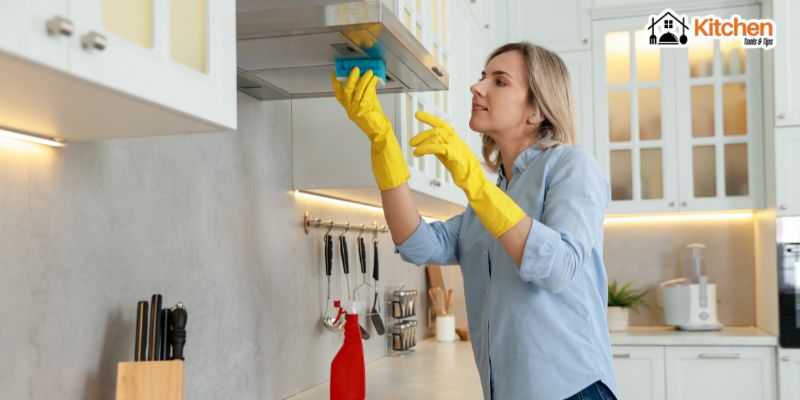
Wear rubber gloves to protect your hands. Some cleaners can irritate your skin.
Keep your cleaning area well-ventilated. Open windows when using strong cleaners.
Cleaning Your Refrigerator
Your refrigerator needs regular cleaning to stay fresh and efficient.
Step 1: Unplug the unit or turn off the circuit breaker.
Step 2: Remove all food items. Throw away expired products.
Step 3: Take out shelves and drawers. Wash them with warm soapy water.
Step 4: Wipe interior walls with a mixture of baking soda and water. Use 2 tablespoons of baking soda per quart of water.
Step 5: Clean the door seals with mild soap. Dirty seals waste energy.
Step 6: Vacuum the coils at the back or bottom. Dust buildup makes your fridge work harder.
Step 7: Dry everything before putting it back.
Clean your refrigerator every 3-4 months. Wipe up spills immediately to prevent odors.
How to Clean Your Oven Safely
Ovens get dirty fast. Here’s how to clean yours without harsh fumes.
For Self-Cleaning Ovens:
Remove oven racks first. The high heat can damage them.
Run the self-cleaning cycle when you’re home. Keep pets and children away.
Let the oven cool for several hours after the cycle ends.
Wipe out the ash with a damp cloth.
For Manual Cleaning:
Make a paste with baking soda and water. Spread it inside the oven.
Let it sit overnight. The paste loosens baked-on food.
Spray vinegar over the paste. It will foam and lift the grime.
Wipe everything out with a damp cloth.
Important: Never mix ammonia with bleach. This creates toxic fumes.
Microwave Cleaning Made Easy
Microwaves are simple to clean. No harsh chemicals needed.
Fill a microwave-safe bowl with water and lemon slices. Add a few tablespoons of vinegar.
Heat on high for 3-5 minutes. The steam loosens food splatters.
Let it sit for 2 minutes. Don’t open the door yet.
Wipe the interior with a soft cloth. Everything comes off easily.
Clean the turntable in your sink with dish soap.
Wipe the door seal and control panel with a damp cloth.
Do this weekly to prevent buildup.
Dishwasher Maintenance
Your dishwasher cleans your dishes. But it needs cleaning too.
Remove the bottom rack. Check the drain for food particles.
Take out the filter. Rinse it under hot water. Use a soft brush for stubborn debris.
Wipe the door edges and seals. Food particles hide there.
Run an empty cycle with white vinegar. Place a cup of vinegar on the top rack.
For tough buildup, use baking soda. Sprinkle it on the bottom and run a short cycle.
Clean your dishwasher monthly. This prevents odors and improves performance.
Small Appliance Care
Coffee Maker:
Run equal parts water and white vinegar through a brew cycle. Follow with two cycles of plain water.
Wash removable parts in soapy water.
Toaster:
Unplug it first. Remove the crumb tray and empty it.
Turn the toaster upside down over the sink. Shake out crumbs gently.
Wipe the exterior with a damp cloth.
Blender:
Fill halfway with warm water. Add a drop of dish soap.
Blend on high for 30 seconds. Rinse thoroughly.
Never submerge the motor base in water.
Air Fryer:
Unplug and let it cool completely.
Remove the basket and pan. Wash with dish soap.
Wipe the interior with a damp cloth. Don’t get the heating element wet.
Common Mistakes to Avoid
Don’t use abrasive scrubbers on stainless steel. They leave scratches.
Never spray cleaners directly onto control panels. Liquid can seep inside.
Don’t forget to read your appliance manual. Some have special cleaning instructions.
Avoid using too much soap. It leaves residue.
Don’t neglect regular maintenance. Small cleanings prevent big problems.
Never clean appliances while they’re still plugged in or hot.
Conclusion
Cleaning kitchen appliances safely protects your investment. It also keeps your kitchen healthy and efficient.
Start with unplugging and cooling. Use gentle, natural cleaners when possible. Follow the specific steps for each appliance.
Make cleaning a regular habit. A few minutes each week saves hours of deep cleaning later.
Your appliances will last longer and work better. Your kitchen will look and smell fresher.
Take time to care for your appliances today. They’ll serve you well for years to come.