
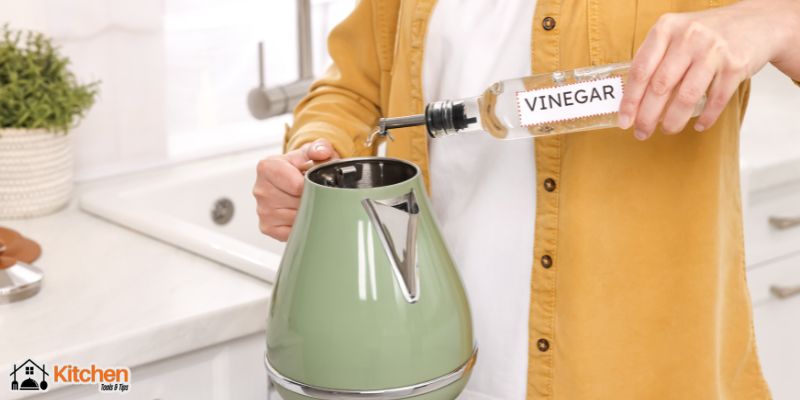
How to Clean a Tea Kettle with Vinegar: A Simple Guide That Works
Why Your Kettle Needs Regular Cleaning
Have you noticed white, crusty buildup inside your water kettle? That’s limescale. It forms when you boil hard water. Over time, this buildup affects your tea’s taste. It also makes your kettle work harder and waste energy.
I’ve been cleaning kettles for over 15 years. I’ve tested many methods. White vinegar is the best kettle limescale remover I’ve found. It’s cheap, safe, and works fast.
This guide shows you how to clean a tea kettle with vinegar. The process works for all types. You can use it on electric kettles, a stovetop kettle, a glass kettle, or a stainless steel kettle.
Why White Vinegar Is the Best Kettle Cleaner
White vinegar contains acetic acid. This acid breaks down mineral deposits. It dissolves limescale without harsh chemicals.
Here’s why vinegar beats other cleaners:
- It’s natural and food-safe
- It costs less than store-bought products
- It works on all kettle materials
- It removes scale and germs at once
- You already have it at home
Commercial cleaners often contain strong chemicals. They can leave residues. Vinegar rinses away clean. Your water boiler stays safe for daily use.
The acid in vinegar reacts with calcium and magnesium. These minerals cause limescale. The reaction turns hard scale into soft particles. These wash away easily.
What You Need to Clean Your Kettle
Gather these items before you start:
- White vinegar (distilled works best)
- Fresh water
- A soft cloth or sponge
- Baking soda (optional, for tough stains)
That’s it. No special tools needed. The whole process takes about 30 minutes. Most of that time is just waiting.
How to Clean a Tea Kettle with Vinegar: Step-by-Step
For Electric Kettles
Electric kettles need gentle care. Follow these steps:
Step 1: Mix Your Cleaning Solution
Fill your water kettle halfway with white vinegar. Add an equal amount of water. For example, use 2 cups vinegar and 2 cups water. This 50-50 mix is strong enough to descale kettle buildup.
Step 2: Boil the Solution
Plug in your kettle. Let the vinegar and water boil. The heat speeds up the cleaning process. It helps the acid reach all the limescale.
Turn off the kettle once it boils. Don’t let it reboil automatically.
Step 3: Let It Soak
Leave the hot solution inside for 15 to 20 minutes. For heavy buildup, wait 30 minutes. The vinegar needs time to break down thick scale.
You’ll see the scale start to dissolve. The water may look cloudy. That’s normal. It means the cleaning is working.
Step 4: Empty and Scrub
Pour out the vinegar solution. Use a soft cloth to wipe the inside. Pay attention to the bottom and heating element. Gently remove any loose scale.
Never use rough scrubbers on electric kettles. They can damage the heating parts.
Step 5: Rinse Thoroughly
This step is crucial. Fill the kettle with fresh water. Boil it. Pour it out. Repeat this 2 or 3 times. This removes all vinegar taste and smell.
Your clean electric kettle is now ready to use.
For Stovetop Kettles
The process for a stovetop kettle is similar. Here are the steps:
Step 1: Add Vinegar and Water
Pour equal parts white vinegar and water into your kettle. Fill it about two-thirds full.
Step 2: Heat on the Stove
Place your stovetop kettle on medium heat. Let it come to a boil. Watch it carefully. Don’t let it boil dry.
Step 3: Soak Time
Once it boils, turn off the heat. Let the solution sit for 20 to 30 minutes. Keep the lid on. This traps the steam and heat.
Step 4: Clean the Outside
While it soaks, clean the exterior. Dip a cloth in the vinegar solution. Wipe down the outside of your stainless steel kettle. This removes water spots and fingerprints.
Step 5: Rinse Well
Empty the kettle. Rinse it several times with clean water. Boil fresh water once or twice. This ensures no vinegar remains.
A glass kettle needs extra care. Don’t expose it to sudden temperature changes. Let it cool slightly before rinsing with cold water.
How Often Should You Clean Your Kettle?
The answer depends on your water hardness. Hard water has more minerals. It causes faster buildup.
Here’s my recommended schedule:
- Hard water areas: Clean every 2 to 4 weeks
- Moderate water: Clean monthly
- Soft water: Clean every 2 to 3 months
Watch for these signs to descale kettle sooner:
- Visible white or brown deposits
- Flakes floating in boiled water
- Longer boiling times
- Strange taste in your tea or coffee
- Kettle making unusual noises
Regular cleaning extends your water boiler’s life. It also keeps your drinks tasting fresh.
Tips to Prevent Limescale Buildup
Prevention is easier than heavy cleaning. Try these habits:
Use Filtered Water
Filtered water has fewer minerals. This reduces scale formation. Your kettle stays cleaner longer.
Empty After Each Use
Don’t leave water sitting in your water kettle. Pour out what you don’t use. Standing water speeds up mineral deposits.
Wipe It Dry
After emptying, wipe the inside with a dry cloth. This simple step prevents water spots.
Clean Regularly
Don’t wait for heavy buildup. Quick monthly cleaning with vinegar keeps your kettle in top shape.
Fixing Stubborn Limescale Problems
Sometimes scale builds up thick. Regular cleaning might not remove it all. Here’s what to do:
For Tough Deposits
Use straight white vinegar without water. Let it soak overnight. The stronger acid tackles heavy scale.
In the morning, boil the vinegar. Let it cool. Scrub gently with a soft brush. Rinse very well.
For a Stainless Steel Kettle
Make a paste with baking soda and water. Apply it to stained areas on the outside. Let it sit for 10 minutes. Wipe clean with a damp cloth. This restores shine without scratching.
Removing Vinegar Smell
If your kettle smells like vinegar after cleaning:
- Boil water with lemon slices
- Or boil water with a tablespoon of baking soda
- Rinse thoroughly
- Leave the lid open to air out
The smell fades fast with proper rinsing.
Safety Tips for All Kettle Types
Always unplug electric kettles before cleaning. Never immerse the base in water. It contains electrical parts.
For a glass kettle, avoid extreme temperature changes. Don’t pour cold water into a hot kettle. It can crack.
When cleaning a stovetop kettle, use oven mitts. The handle gets hot during boiling.
Never use bleach or harsh chemicals. They’re not food-safe. They can damage your kettle’s interior.
Why This Method Works Better Than Others
I’ve tried commercial descalers. They work, but they cost more. Some leave chemical tastes.
Lemon juice is another natural option. It works like vinegar but costs more. Vinegar gives you more cleaning power for less money.
Baking soda alone doesn’t descale effectively. It’s great for scrubbing, but it doesn’t dissolve minerals like vinegar does.
The vinegar method is proven. It’s what I use in my own home. It’s what I recommend to friends and family.
Frequently Asked Questions
How to clean a tea kettle with vinegar if it’s very dirty?
Use full-strength white vinegar for heavy buildup. Soak overnight without boiling. In the morning, boil the vinegar, then scrub and rinse well. This works for the worst limescale.
Can I use apple cider vinegar instead?
White vinegar works best. Apple cider vinegar can clean, but it may leave a color or smell. Stick with distilled white vinegar for kettles.
Is it safe to clean electric kettles with vinegar?
Yes, it’s completely safe. White vinegar won’t harm the heating element or plastic parts. Just rinse thoroughly after cleaning. Many manufacturers recommend this method to descale kettle interiors.
How do I clean a stainless steel kettle exterior?
Mix equal parts vinegar and water in a spray bottle. Spray the outside. Wipe with a soft cloth. For tough spots, use a baking soda paste. Rinse and dry well to prevent water spots.
Will vinegar damage my water kettle?
No. Vinegar is safe for all kettle types. It won’t harm stainless steel, glass, or plastic parts. Always dilute it with water for regular cleaning. Rinse well after use.
How long does the vinegar method take?
The active work takes 5 minutes. Total time is about 30 minutes, including soaking and rinsing. It’s a quick process for excellent results.
Can I clean my water boiler the same way?
Yes. Water boilers clean the same as kettles. Use the vinegar solution. Follow your boiler’s manual for specific instructions. Most allow vinegar cleaning.
Final Thoughts
Learning how to clean a tea kettle with vinegar saves you money. It keeps your drinks tasting pure. Your kettle will last longer with regular care.
This natural method works on every type. Whether you own electric kettles, a stovetop kettle, or a glass kettle, vinegar cleans them all safely.
Clean your water kettle every month. Use this simple process. You’ll enjoy better-tasting tea and coffee. Your kettle limescale remover is sitting in your kitchen right now.
Start today. Your kettle will thank you.