
Why Your Cold Brew Drips Too Slowly
You set up your cold brew maker last night. You expected fresh iced coffee by morning. Instead, you found barely half a cup in the carafe. Sound familiar?
Slow-dripping cold brew systems frustrate even experienced coffee lovers. Whether you use a Toddy cold brew maker, a Hario Shizuku tower, or a traditional Kyoto style drip system, flow problems are common. The good news? Most issues are easy to fix.
This guide shows you exactly how to fix slow-dripping cold brew systems. You’ll learn simple solutions that work for all major brands. No special tools needed. Just a few minutes of your time.
Let’s get your brew maker dripping at the perfect speed again.
How Cold Drip Coffee Systems Work
Cold drip coffee comes in two main types. Immersion brewers like the Toddy soak grounds in water. Drip towers like the Bruer cold drip system use gravity to pull water through coffee.
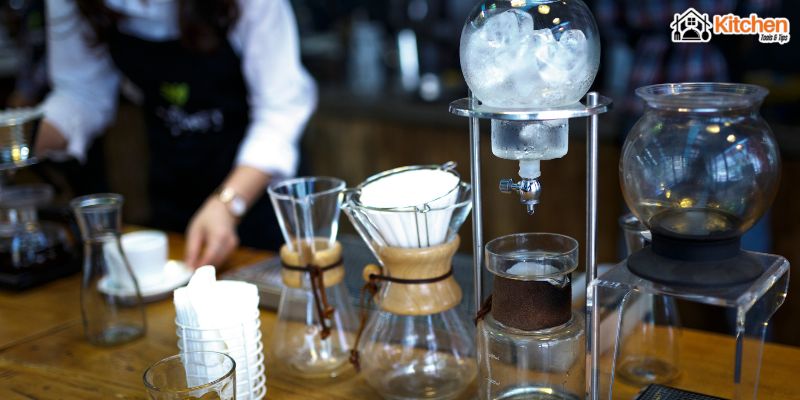
A Kyoto coffee machine is the classic drip tower design. Cold water or melting ice sits in the top chamber. It drips through coffee grounds in the middle. Finished brew collects at the bottom.
The ideal drip rate is one drop per second. This equals about 3-4 hours for a full batch. Some Japanese coffee makers run slower at one drop every two seconds. That’s still fine.
Problems start when drips slow to one every 5-10 seconds. Or when they stop completely. Then your brew time doubles or triples. The coffee may taste off too.
Popular systems include:
- Toddy cold brew makers (immersion style)
- Hario products like the Shizuku tower
- Bruer slow drip systems
- Traditional ice drip towers
- Modern Kyoto style machines
Each type can develop flow problems. But fixes are similar across brands.
Why Your Cold Brew Drips Too Slowly
Five main issues cause slow dripping. Understanding the cause helps you fix it faster.
Wrong Grind Size
Fine grounds block water flow. They pack too tightly. Water can’t pass through. Your coffee dripper slows to a crawl.
Coarse grounds work best for cold brew. Think sea salt or breadcrumbs. Not powder.
Clogged Filters
Coffee oils and tiny particles build up over time. They coat metal filters. They fill paper filter pores. Water struggles to pass through.
Even new filters can clog if coffee is ground too fine.
Valve Problems
Most drip towers have a flow valve at the top. It controls drip speed. Mineral deposits from water can jam this valve. Old coffee residue makes it sticky.
The Bruer cold drip tower uses a precise valve system. It needs regular cleaning to work right.
Coffee Bed Compaction
Wet coffee grounds settle and compress during brewing. The top layers press down on lower layers. This creates a dense barrier. Water pools on top instead of flowing through.
Longer brew times make this worse. The weight of water above adds more pressure.
Temperature Effects
Ice drip systems rely on melting ice for water flow. If your ice melts too slowly, drips slow down. Room temperature matters more than you think.
Cold rooms mean slower melting. Slower melting means slower brewing.
How to Fix Your Slow Cold Brew System
Try these solutions in order. Most problems resolve with the first few steps.
Fix #1: Check Your Grind Size
This is the number one cause of slow dripping.
Dump out your current grounds. Examine them closely. Can you see individual particles? Or does it look like powder?
For any cold brew maker, use a coarse grind. Each piece should be clearly visible. About the size of raw sugar crystals.
If you grind at home, use the coarsest setting. If you buy pre-ground, ask for “French press” or “cold brew” grind.
Load fresh grounds into your brew maker. Set up as normal. Check if flow improves.
Fix #2: Clean All Filters Thoroughly
Remove your filter. This might be metal mesh, paper, or cloth depending on your system.
For metal filters in a Hario or Bruer cold drip setup:
- Soak in hot water for 5 minutes
- Scrub with a soft brush
- Rinse under running water
- Hold up to light – you should see through the mesh clearly
For paper filters in Toddy cold brew makers:
- Replace them each use
- Never reuse paper filters
- They’re designed for single batches only
For cloth filters in traditional Kyoto coffee machines:
- Hand wash with mild soap
- Rinse extremely well
- No soap residue should remain
- Air dry completely between uses
Fix #3: Clear the Flow Valve
Locate the valve at the top of your drip tower. On a Hario Shizuku, it’s the small adjustment knob. On a Bruer, it’s the clear valve mechanism.
Here’s how to clean it:
- Remove the top water chamber
- Unscrew or detach the valve assembly
- Soak all parts in warm water for 10 minutes
- Use a toothpick to clear the tiny hole
- Rinse each piece separately
- Reassemble and test the flow
Open the valve fully. Let water drip freely for a moment. This flushes out remaining debris. Then adjust back to your desired speed.
Fix #4: Prevent Coffee Bed Compaction
This technique works for any coffee dripper or ice drip tower.
After loading grounds into the chamber, follow these steps:
- Tap the sides gently to settle grounds evenly
- Don’t press or tamp the coffee down
- Level the surface with a spoon
- Pre-wet the grounds with a small amount of cold water
- Let them absorb for 30 seconds before starting the drip
Pre-wetting helps grounds expand evenly. This prevents dense clumps from forming.
During brewing, you can’t fix compaction. But this prep work prevents it from starting.
Fix #5: Adjust Ice and Temperature
For ice drip systems and Kyoto style brewers using ice:
Use larger ice cubes, not crushed ice. Large cubes melt at a steady rate. Crushed ice melts too fast at first, then stops.
Room temperature matters too. Brew in a space that’s 65-72°F. Warmer rooms speed up ice melting. Cooler rooms slow it down.
If your Japanese coffee tower sits in a cold room, the fix is simple. Move it somewhere warmer. Or use less ice and more cold water.
Fix #6: Deep Clean Your Entire System
Sometimes the problem hides in places you don’t check often.
For a complete cleaning:
Toddy Cold Brew Systems:
- Disassemble completely
- Wash the container with hot soapy water
- Clean the rubber stopper thoroughly
- Replace the filter
- Rinse everything twice
Hario and Bruer Drip Towers:
- Take apart all chambers
- Wash each piece separately
- Pay special attention to connection points
- Check for mineral buildup on glass
- Use white vinegar for hard water stains
Traditional Kyoto Coffee Machines:
- Clean the drip adjustment mechanism
- Wipe down the brew chamber
- Check the collection carafe for residue
- Inspect all rubber gaskets for wear
Do this deep clean every month if you brew daily. Every three months if you brew weekly.
Quick Fixes That Work Right Now
Need your iced coffee faster? Try these immediate solutions.
Add More Water to Top Chamber
More water weight creates more pressure. This can push through minor blockages. Fill your drip tower higher than usual.
Warm Your Coffee Slightly
Room temperature coffee flows better than cold. Let your grounds sit at room temp for 30 minutes before brewing. Don’t use hot water though. That changes the flavor completely.
Reduce Coffee Amount
Using too much coffee creates a thicker bed. Try 10% less coffee than your recipe calls for. The brew will be slightly weaker but will flow normally.
Mix Grind Sizes
Combine 75% coarse grounds with 25% medium grounds. This creates channels for water to flow through. Don’t go finer than medium though.
Preventing Slow Drips in the Future
Good maintenance keeps your brew maker working smoothly.
After Each Brew:
- Rinse all parts with clean water
- Wipe down the exterior
- Store with the valve open
- Let everything air dry
Weekly (for daily brewers):
- Wash filters with hot water
- Check valve operation
- Inspect for coffee buildup
Monthly:
- Deep clean entire system
- Replace paper filters if applicable
- Check all seals and gaskets
Buy Quality Coffee: Quality matters for your brew maker too. Cheap coffee often contains more dust and fine particles. These clog filters faster. Invest in good beans from a reliable roaster.
Use Filtered Water: Tap water deposits minerals in valves and filters. These build up over time. Filtered or bottled water prevents this problem.
Troubleshooting Other Common Issues
Drips Too Fast: Close the valve slightly. If that doesn’t work, use a finer grind. Check that you’re using enough coffee.
Drips Start Then Stop: Coffee bed compaction is happening during brewing. Next time, pre-wet grounds better. Use a coarser grind.
Uneven Dripping: Water isn’t spreading evenly over coffee. Check that grounds are level. Make sure the drip point sits centered over the bed.
Weak Coffee Despite Slow Dripping: Slow drips don’t always mean strong coffee. You might need more coffee grounds. Or a slightly finer grind for better extraction.
Frequently Asked Questions
How long should cold brew take to drip?
Most systems need 3-4 hours for a full batch. Kyoto style towers may take up to 8 hours. If your brew takes longer than 10 hours, something is wrong.
Can I speed up my Toddy cold brew system?
Toddy uses immersion, not dripping. You can’t speed up extraction time. But you can make filtering faster by using a coarser grind.
Why does my Hario Shizuku stop dripping overnight?
Ice probably melted completely. Use more ice. Or check if the valve closed somehow. Vibrations can shift the valve position.
How often should I replace filters?
Paper filters: every use. Metal filters: replace when visibly damaged or after 6-12 months. Cloth filters: replace every 2-3 months with regular use.
Is slow-dripped coffee better than regular cold brew?
Slow drip and immersion cold brew taste different. Neither is better. Drip towers like the Bruer cold drip maker create cleaner, brighter flavors. Immersion brewers like Toddy make fuller-bodied coffee. Choose based on your preference.
My new coffee dripper is slow from the start. Is it defective?
Probably not. New systems need proper setup. Check your grind size first. Make sure you assembled everything correctly. Read the manual for your specific model.
Get Your Cold Brew Flowing Again
Fixing a slow-dripping cold brew system is usually simple. Most problems come from grind size or dirty filters. These take just minutes to fix.
Start with the easiest solutions. Check your grind. Clean your filters. Adjust the valve. These steps fix 90% of slow drip problems.
Regular maintenance prevents issues before they start. Clean after each use. Deep clean monthly. Your brew maker will reward you with perfect iced coffee every time.
Whether you own a traditional Kyoto coffee machine, a modern Bruer slow drip, or a classic Toddy cold brew maker, these fixes work. The principles are the same across all systems.
Now you know exactly how to fix slow-dripping cold brew systems. Time to brew that perfect cup of Japanese coffee you’ve been craving.
Your ice drip tower is ready. Your coffee dripper is clean. Your patience has paid off. Enjoy your perfectly brewed cold coffee.