
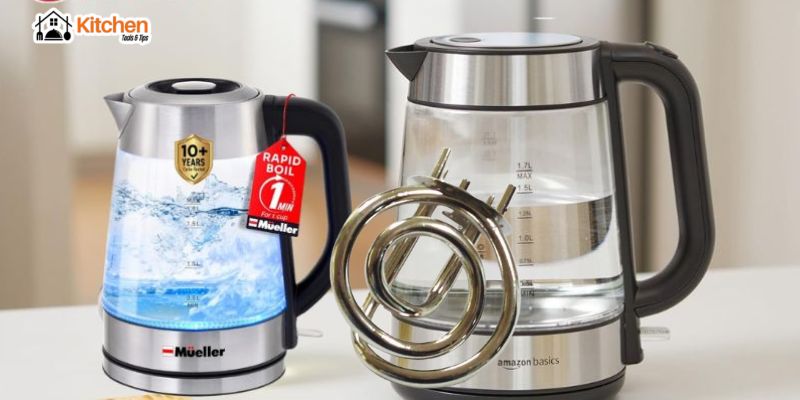
Your electric kettle works hard every day. The heating coil inside makes your water hot fast. But mineral deposits and scale can build up. This makes your kettle work poorly. Good maintenance keeps your kettle running well for years.
Why Heating Coil Maintenance Matters
The heating coil is the heart of your kettle. It heats water quickly. When limescale covers the coil, heating takes longer. Your kettle uses more electricity. The water may taste bad. Regular cleaning fixes these problems.
A clean heating coil lasts longer. You save money. Your kettle boils water faster. Your tea and coffee taste better.
Understanding Your Kettle’s Heating Element
Most electric kettles have a concealed or exposed heating coil. The coil heats up when you turn on the kettle. Hard water contains calcium and magnesium. These minerals stick to the hot coil. Over time, a white or brown crust forms.
This crust is called limescale or scale buildup. It acts like a blanket. The coil must work harder to heat through this layer. Your kettle becomes less efficient.
Daily Maintenance Habits
Simple daily habits prevent major problems.
Empty your kettle after each use. Don’t let water sit overnight. Standing water speeds up mineral deposits.
Wipe the inside dry. Use a soft cloth after emptying. This removes water droplets before they dry and leave minerals behind.
Use fresh water each time. Old water contains more dissolved minerals. Fill your kettle with fresh cold water for each use.
Avoid overfilling. Fill only to the max line. Too much water can splash on electrical parts.
Deep Cleaning Your Heating Coil
Clean your kettle every two to four weeks. Use these natural methods.
The Vinegar Method
White vinegar dissolves limescale safely.
Fill your kettle halfway with equal parts water and white vinegar. Let this mixture sit for 30 minutes. Then boil the kettle. Turn it off and let it sit for another 30 minutes. Pour out the mixture. Rinse the kettle three times with fresh water. Boil plain water once and discard it. This removes any vinegar smell.
The Lemon Juice Alternative
Lemon juice works like vinegar but smells better.
Cut two lemons into quarters. Put them in your kettle. Fill with water to the max line. Boil the kettle. Let it sit for one hour. Pour out the lemon water. Rinse well. The citric acid in lemons breaks down mineral deposits naturally.
Baking Soda Solution
Baking soda tackles stubborn stains.
Mix two tablespoons of baking soda with water. Fill your kettle. Boil the mixture. Let it sit overnight. Pour it out in the morning. Scrub gently with a soft brush if needed. Rinse thoroughly.
Preventing Mineral Buildup
Prevention is easier than deep cleaning.
Use filtered water. A simple water filter removes many minerals. Your kettle stays cleaner longer. Filtered water also tastes better.
Clean more often in hard water areas. Hard water has more minerals. You may need to descale weekly. Check your local water hardness online.
Watch for warning signs. White flakes in your water mean buildup is starting. A longer boiling time signals scale on the coil. Strange tastes indicate cleaning time.
What Never to Do
Avoid these common mistakes.
Never use harsh chemicals. Bleach and strong cleaners can damage the heating coil. They leave harmful residues. Stick to natural cleaners.
Don’t scrub with abrasive tools. Steel wool and rough sponges scratch the heating element. Scratches collect more minerals. Use only soft cloths or brushes.
Never submerge your kettle in water. The electrical base must stay dry. Only clean the inside. Wipe the outside with a damp cloth.
Avoid boiling the kettle empty. This burns out the heating element. Always add water before turning it on.
Fixing Common Heating Coil Problems
Slow Heating
Your kettle takes forever to boil. This usually means heavy scale buildup. Do a vinegar descaling treatment. Repeat if needed. Sometimes two cleanings work better than one.
Strange Tastes
Water tastes metallic or odd. Mineral deposits are the likely cause. Clean with lemon juice. The fresh citrus smell helps. Rinse extra times to remove all residue.
Brown or Orange Discoloration
Rust-colored stains appear on the coil. This comes from iron in your water. Use the baking soda method. Let it soak overnight. The stains should lift.
How Often Should You Clean?
Your cleaning schedule depends on water hardness and usage.
Soft water areas: Clean monthly. Medium hardness: Clean every two weeks. Hard water areas: Clean weekly.
Heavy users should clean more often. If you boil water five times daily, increase your cleaning frequency.
Extending Your Kettle’s Lifespan
A well-maintained heating coil can last 5 to 10 years.
Descale regularly. This single habit matters most. Set a phone reminder.
Use the right water. Filtered or distilled water reduces maintenance. The investment pays off.
Handle with care. Don’t bang or drop your kettle. Physical damage can crack the heating element.
Replace when needed. If the coil shows pitting or severe corrosion, buy a new kettle. Safety comes first.
Frequently Asked Questions
How do I know if my heating coil needs cleaning?
Look for white or brown deposits inside your kettle. Water takes longer to boil. You may see flakes floating in boiled water. Your kettle may make more noise than usual.
Can I use commercial descaling products?
Yes, but natural methods work just as well. If you use commercial descalers, choose ones made for electric kettles. Follow the package directions exactly.
Is limescale harmful to drink?
Limescale is not toxic. It’s just calcium and magnesium. But it tastes bad. It can also flake into your drinks. Regular cleaning keeps your water pleasant.
Why does my kettle smell after cleaning?
Vinegar or lemon scent lingers sometimes. Boil plain water two or three times. Discard each batch. The smell will disappear. Good ventilation helps too.
Can I prevent limescale completely?
Not completely, but you can minimize it. Use filtered or distilled water. Empty your kettle after each use. Wipe it dry. These steps reduce buildup significantly.
Your electric kettle heating coil needs simple, regular care. Natural cleaners work best. White vinegar, lemon juice, and baking soda remove scale safely. Clean every few weeks. Use good water. Follow these tips and your kettle will serve you well for many years.