
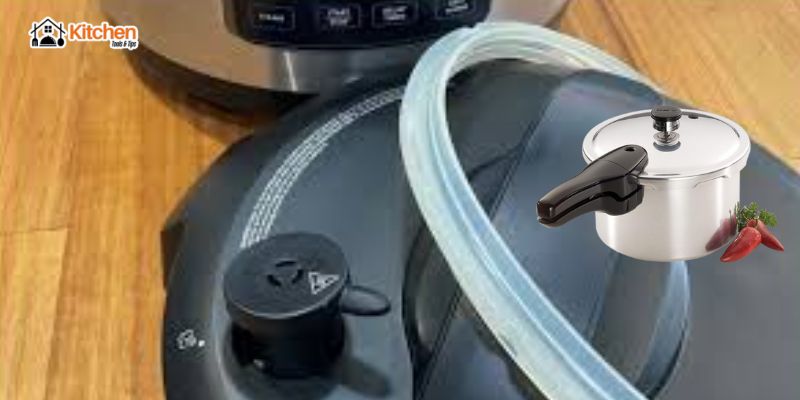
Your pressure cooker gasket needs regular care. This small rubber ring keeps your cooker safe. It seals the lid tight. Without proper care, it can fail. Let’s learn how to keep it in perfect shape.
What Is a Pressure Cooker Gasket?
A gasket is a rubber seal. It sits inside the lid of your pressure cooker. The gasket creates an airtight seal. This seal traps steam inside. The trapped steam builds pressure. Pressure cooks your food fast.
Most gaskets are made from silicone or rubber. They bend and stretch with each use. Heat and food particles wear them down over time.
Clean Your Gasket After Every Use
Cleaning your gasket daily keeps it fresh. Follow these simple steps:
Remove the gasket. Take it out of the lid groove. Most gaskets pull out easily. Check your manual if you’re unsure.
Wash with warm soapy water. Use mild dish soap. Rub the gasket gently with your fingers. Pay attention to both sides.
Rinse thoroughly. Make sure no soap remains. Soap residue can affect the seal.
Dry completely. Pat it dry with a clean towel. Let it air dry for a few minutes. Moisture can cause mold.
Never skip this step. Food particles stick to the gasket. They cause bad smells. They can also prevent a proper seal.
Deep Clean Your Gasket Monthly
Your gasket needs a deep clean once a month. This removes stubborn odors and stains.
Vinegar soak method: Mix equal parts white vinegar and water. Soak the gasket for 15 minutes. Rinse well and dry.
Baking soda paste method: Make a paste with baking soda and water. Rub it on the gasket. Let it sit for 10 minutes. Rinse and dry.
Lemon juice method: Rub fresh lemon juice on the gasket. This removes strong food smells. Leave it for 5 minutes. Rinse thoroughly.
These natural methods are safe. They don’t damage the rubber. Avoid harsh chemicals like bleach.
Store Your Gasket Properly
Storage matters as much as cleaning. Wrong storage can deform your gasket.
Keep it loose. Don’t store the gasket in the lid. Take it out after drying. This prevents stretching.
Store flat or hanging. Lay it flat in a drawer. Or hang it on a hook. Both methods work well.
Avoid direct sunlight. UV rays damage rubber. Keep your gasket in a cool, dark place.
Let it breathe. Don’t seal it in plastic bags. Air circulation prevents mold growth.
Some people store multiple gaskets. This is smart. Use one for sweet dishes. Use another for savory foods. This prevents flavor transfer.
Check for Signs of Wear
Inspect your gasket regularly. Look for these warning signs:
- Cracks or tears in the rubber
- Permanent stretching or deformation
- Hard or brittle texture
- Persistent bad odors that won’t wash out
- Visible discoloration or stains
- The lid doesn’t seal properly anymore
Any of these signs means trouble. A damaged gasket won’t seal right. This can be dangerous.
When to Replace Your Gasket
Most gaskets last 12 to 18 months. Heavy users may need replacement sooner. Light users might get 2 years.
Replace your gasket if:
It fails the seal test. Close your pressure cooker. Turn it upside down. Does water leak out? Time for a new gasket.
You see physical damage. Even small cracks matter. They will grow bigger.
It smells bad permanently. No amount of cleaning helps. The rubber has absorbed odors.
The texture changed. It feels sticky, hard, or brittle.
Always buy genuine replacement gaskets. They fit better. They last longer. They’re safer. Check your pressure cooker model number. Order the right size.
Pro Tips for Longer Gasket Life
Cool down before cleaning. Let the gasket cool completely. Hot rubber is more delicate.
Rotate between two gaskets. This gives each one time to rest. They’ll both last longer.
Check the lid groove too. Clean where the gasket sits. Food can hide there.
Use the right temperature. Don’t overheat your pressure cooker. High heat ages gaskets faster.
Handle gently. Don’t pull or twist hard. Treat your gasket with care.
Frequently Asked Questions
How often should I replace my pressure cooker gasket?
Replace your gasket every 12 to 18 months with regular use. Check it monthly for signs of wear. Replace immediately if you see cracks or if it loses elasticity.
Can I wash my gasket in the dishwasher?
Yes, most silicone gaskets are dishwasher safe. Place it on the top rack. However, hand washing is gentler and helps the gasket last longer.
Why does my gasket smell bad?
Gaskets absorb food odors during cooking. Strong spices cause the worst smells. Clean it after every use with vinegar or lemon juice to prevent odor buildup.
Is it safe to use a cracked gasket?
No, never use a damaged gasket. Cracks prevent proper sealing. This can cause dangerous pressure buildup or steam leaks. Replace it right away.
Can I stretch my gasket to make it fit?
No, don’t stretch your gasket forcefully. Use the correct size for your model. Stretching damages the rubber and shortens its life.