
How to Remove Odor from Plastic Bottles: Simple Solutions That Actually Work
Do you open your water bottle and get hit with a bad smell? You’re not alone. Many people struggle with smelly plastic bottles. The good news is that you can fix this problem easily at home.
I’ve spent years testing different methods to clean plastic bottles. Through trial and error, I found what works best. In this guide, I’ll share proven techniques to remove odor from plastic bottles completely.
These methods work for all types of containers. Whether you have baby bottles, milk bottles, or food storage containers, these solutions will help you.
Why Do Plastic Bottles Develop Bad Smells?
Plastic is porous. This means it has tiny holes you cannot see. Liquids seep into these holes over time. When bacteria grow in these spaces, they create a bad smell.
Several factors make the odor worse:
Residue buildup – Milk, juice, and protein shakes leave behind sugars and fats. These substances feed bacteria. The bacteria then multiply and produce unpleasant odors.
Moisture trapped inside – When you don’t dry bottles properly, water stays inside. This creates a perfect home for mold and mildew. Both cause strong musty smells.
Old food particles – Food containers often trap small bits of food. Even after washing, these particles stick to the plastic. They rot and smell terrible.
Silicone parts – Many water bottles have silicone gaskets or straws. Silicone absorbs odors easily. The water bottle cap area collects grime too.
Understanding these causes helps you prevent odors in the future. Now let’s look at how to remove odor from plastic bottles effectively.
Prepare Your Bottles for Deep Cleaning
Before you start any cleaning method, take these simple steps:
Remove all parts from your bottle. Take off the water bottle cap, silicone seals, and straws. Each piece needs separate cleaning.
Rinse the bottle with warm water. This removes loose debris and prepares the surface. Don’t skip this step.
Check your plastic type. Look for the recycling number on the bottom. Most food storage containers are safe for all cleaning methods. However, some plastics don’t handle hot water well.
Gather your supplies. You likely have everything at home already. Common items include baking soda, white vinegar, dish soap, and lemon.
Method 1: The Baking Soda Power Clean
Baking soda is my go-to solution. It neutralizes odors instead of just masking them. This method works wonders for baby bottles and milk bottles.
Here’s how to clean plastic with baking soda:
Add two tablespoons of baking soda to your bottle. Fill it halfway with warm water. Close the lid tightly.
Shake the bottle hard for 30 seconds. The baking soda scrubs the inside walls. It reaches areas your brush cannot touch.
Let it sit for two hours. For very strong odors, leave it overnight. The baking soda needs time to absorb the bad smell.
Empty the bottle and rinse well. Use warm running water. Make sure no baking soda remains inside.
Smell the bottle. If odor persists, repeat the process. Tough smells sometimes need two treatments.
This method is safe for all storage containers. It won’t damage plastic or silicone parts. I use it weekly on my family’s water bottles.
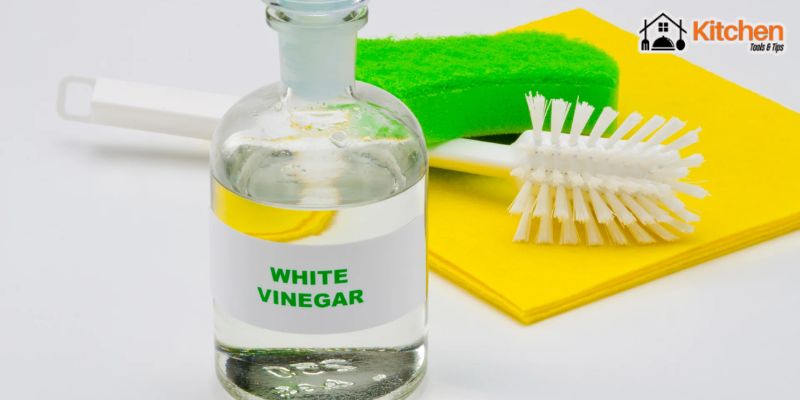
Method 2: White Vinegar Deep Treatment
Vinegar kills bacteria and mold. It’s perfect when baking soda alone doesn’t work. Many people worry about the vinegar smell, but it disappears quickly.
Follow these steps to remove odor from plastic bottles with vinegar:
Mix equal parts white vinegar and warm water. Pour this solution into your bottle. Fill it to the top.
Add one teaspoon of dish soap. This helps break down oily residue. Protein shake bottles benefit most from this addition.
Soak for four to six hours. For food containers with stubborn smells, soak overnight. The longer soak time ensures deep cleaning.
Scrub with a bottle brush. Pay special attention to the bottom and corners. These areas trap the most bacteria.
Rinse thoroughly with hot water. Then rinse again with cold water. This removes all vinegar traces.
Air dry completely. Leave the water bottle cap off. Trapped moisture will bring back the bad smell.
Vinegar works as a natural stain remover too. It clears cloudy films from plastic surfaces.
Method 3: Lemon and Sunshine Natural Method
This method combines natural cleaning power with UV light. The sun kills remaining bacteria. Lemon adds a fresh scent.
Here’s what to do:
Cut a lemon into quarters. Squeeze the juice into your bottle. Drop the lemon pieces inside too.
Add warm water until the bottle is full. The lemon juice needs to reach all surfaces.
Place the bottle in direct sunlight. Leave it outside for six to eight hours. The UV rays do amazing work.
Empty and rinse the bottle. The bad smell should be completely gone. Your bottle will smell fresh and clean.
This method works beautifully for clear food storage containers. The sun penetrates the plastic effectively. It’s my favorite method for summer cleaning.
Use this approach for baby bottles too. It’s completely natural and safe. No harsh chemicals touch surfaces that hold milk.
Method 4: Denture Tablet Quick Fix
This might sound odd, but denture tablets work great. They contain cleaning agents that fizz away odors. This is the easiest method on my list.
Here’s the simple process:
Fill your bottle with warm water. Drop in two denture cleaning tablets. Watch them fizz and bubble.
Let it sit overnight. The tablets work while you sleep. No scrubbing needed.
Rinse well in the morning. Use plenty of water. Make sure no tablet residue remains.
Dry completely before use. This prevents any chemical taste.
I discovered this trick by accident. Now I keep denture tablets specifically for cleaning bottles. They’re perfect for weekly maintenance of storage containers.
This method handles the toughest smells. It works when other solutions fail. However, rinse extra well. You don’t want any cleaner left behind.
Preventing Odors in Your Bottles
Prevention is easier than removal. Follow these tips to keep bottles fresh:
Wash immediately after use – Don’t let liquids sit in bottles. Bacteria multiply fast. Clean your milk bottle right after emptying it.
Dry completely before storage – This is crucial. Leave bottles upside down on a drying rack. Remove the water bottle cap so air circulates.
Deep clean weekly – Even if bottles look clean, do a deep clean weekly. This prevents odor buildup in food containers.
Store with caps off – When bottles are dry, store them without lids. Air circulation prevents musty smells.
Replace old bottles – Plastic degrades over time. If bottles still smell after deep cleaning, buy new ones. Sometimes replacement is the only solution.
Clean silicone parts separately – Silicone absorbs odors more than plastic. Wash gaskets and straws by hand. Use hot soapy water.
Avoid dishwasher heat – High heat damages some plastics. This makes odor problems worse. Hand washing is gentler on storage containers.
These habits keep baby bottles, water bottles, and food storage containers fresh. You’ll spend less time fighting bad smells.
Special Tips for Different Container Types
Baby bottles – Use only natural methods. Avoid harsh chemicals. Baking soda and vinegar are safe choices. Sterilize bottles regularly to kill all bacteria.
Protein shake bottles – These develop the worst smells. The protein residue feeds bacteria. Clean immediately after every use. Use the vinegar method weekly.
Milk bottles – Fat from milk clings to plastic. It turns rancid quickly. Hot water and baking soda work best. Don’t let milk sit in bottles overnight.
Food containers – Tomato sauce and curry stain and smell. Use lemon and sun method for these. The combination removes both stains and odors.
Water bottles with straws – Straws hide bacteria in narrow spaces. Use a thin brush to clean inside. Soak straws in vinegar solution monthly.
Each container type needs specific care. But all benefit from regular deep cleaning.
When to Replace Your Bottles
Sometimes cleaning isn’t enough. Know when to throw out old containers:
- Cracks or deep scratches harbor bacteria
- Persistent bad smell after multiple cleanings
- Cloudy plastic that won’t clear
- Warped or melted areas
- Bottles over two years old
Your health matters more than saving an old bottle. Replace damaged storage containers promptly.
Frequently Asked Questions
How often should I deep clean my water bottle? Deep clean your water bottle once a week. Daily washing with soap isn’t enough. Bacteria build up in areas regular washing misses. Use baking soda or vinegar weekly to remove odor from plastic bottles completely.
Can I use bleach to remove odors? Avoid bleach on plastic bottles. While it kills bacteria, bleach is harsh. It can damage plastic over time. The smell is also hard to rinse out completely. Stick with natural methods like baking soda and vinegar instead.
Why does my bottle smell even after washing? Regular soap doesn’t reach into plastic’s porous surface. Bacteria live deep in these tiny holes. You need methods that penetrate deeper. Soaking in baking soda or vinegar reaches these hidden spots.
Is it safe to use these methods on baby bottles? Yes, all methods I shared are safe for baby bottles. Baking soda and vinegar are natural. Just rinse thoroughly after cleaning. The lemon method is especially good because it’s completely natural.
How do I remove the vinegar smell after cleaning? Rinse your bottle many times with hot water. Then wash once with dish soap. Leave the bottle open to air dry completely. The vinegar smell fades within an hour. Fresh air speeds up the process.
Can I prevent odors in new bottles? Yes! Wash new bottles before first use. Then establish good habits. Dry bottles completely after each use. Store them without caps on. Clean weekly with baking soda even if they don’t smell yet.
Final Thoughts
You now know how to remove odor from plastic bottles using simple home methods. These techniques work for baby bottles, water bottles, milk bottles, and all food storage containers.
Start with the baking soda method. It handles most odor problems. Move to vinegar for tougher smells. Try the lemon and sun method for natural cleaning. Use denture tablets when you need quick results.
Remember that prevention is key. Clean bottles right after use. Dry them completely. Store properly with caps off. Replace old containers when cleaning stops working.
Don’t let a bad smell keep you from using your favorite water bottle. These methods are easy and effective. Pick one and try it today. Your bottles will smell fresh and clean again.
The best part? These solutions use items you already have at home. No need to buy expensive cleaners or a stain remover. Natural ingredients clean plastic safely and effectively.
Take action now. Choose the method that fits your schedule. Give it a try. You’ll be amazed at how well these simple solutions work to clean plastic bottles.
Your bottles deserve proper care. They serve you every day. Show them some love with a deep clean. You’ll enjoy fresh-tasting water and odor-free food containers. That’s a win for everyone in your family.