
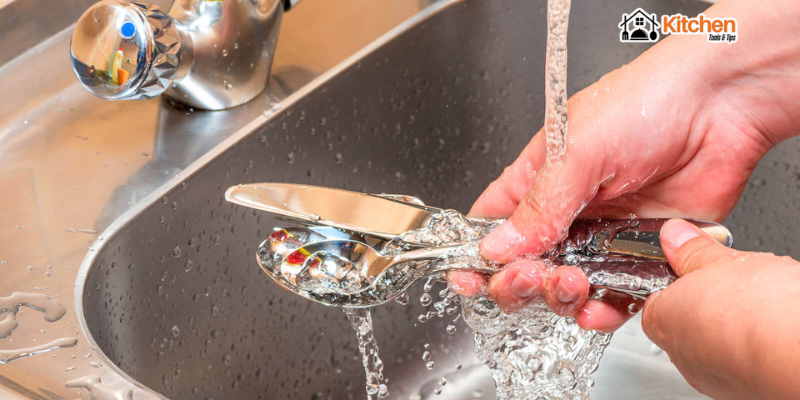
Keeping your kitchen tools clean is vital for your health. Dirty utensils can spread harmful bacteria like E. coli and salmonella. This guide shows you how to sanitize kitchen tools the right way.
Why Sanitizing Kitchen Tools Matters
Washing alone doesn’t kill all germs. Sanitizing goes deeper. It removes 99.9% of bacteria that can make you sick.
Raw meat, eggs, and unwashed vegetables leave behind dangerous germs. These germs can live on your cutting boards, knives, and other tools for hours. Without proper sanitizing, you risk food poisoning.
Your family’s health depends on clean kitchen tools. Sanitizing protects everyone who eats your food.
What You Need to Sanitize Kitchen Tools
You don’t need expensive products. Here’s what works:
- Dish soap and hot water
- White vinegar
- Bleach (unscented)
- Clean towels or paper towels
- A large sink or basin
- Measuring spoons
These basic items can sanitize most kitchen tools safely.
How to Sanitize Different Kitchen Tools
Cutting Boards
Cutting boards need special care. They touch raw meat and fresh produce.
For plastic cutting boards:
- Wash with hot soapy water first
- Mix 1 tablespoon of bleach with 1 gallon of water
- Soak the board for 2 minutes
- Rinse well with clean water
- Air dry completely
For wooden cutting boards:
- Wash with hot soapy water
- Pour white vinegar over the surface
- Let it sit for 5 minutes
- Rinse and dry thoroughly
Never soak wooden boards in water. This causes warping and cracks.
Knives and Utensils
Metal utensils and knives are easier to sanitize.
- Wash each tool with hot soapy water
- Rinse under running water
- Dip in a bleach solution (1 tablespoon bleach per gallon of water)
- Let air dry on a clean towel
Never put good knives in the dishwasher. The heat damages the blade.
Can Openers and Peelers
These tools trap food particles in small spaces.
- Take apart any removable pieces
- Scrub with a small brush and soapy water
- Rinse all parts thoroughly
- Spray with vinegar or dip in bleach solution
- Let all parts dry before reassembling
Clean can openers after each use. Old food buildup grows mold and bacteria.
Mixing Bowls and Measuring Cups
Glass, metal, and plastic bowls need different care.
Glass and metal:
- Wash with hot soapy water
- Run through the dishwasher on the sanitize cycle
- Or soak in bleach solution for 2 minutes
Plastic:
- Hand wash with hot water
- Use vinegar instead of bleach (it’s gentler)
- Check for cracks or scratches
- Replace damaged plastic items
Scratched plastic holds bacteria in tiny grooves.
Best Sanitizing Methods
The Hot Water Method
Water must reach 170°F to sanitize properly. Most home water heaters don’t get this hot. This method works best for dishwashers with a sanitize cycle.
The Bleach Method
This is the most effective home sanitizing method.
How to make bleach sanitizer:
- Mix 1 tablespoon of unscented bleach
- Add to 1 gallon of cool water
- Use within 24 hours
- Never mix bleach with other cleaners
Soak tools for 1-2 minutes. Rinse well. Let air dry.
The Vinegar Method
White vinegar kills many germs naturally.
- Use full-strength vinegar
- Spray or pour on clean surfaces
- Let sit for 5-10 minutes
- Rinse or wipe clean
Vinegar is safe for wooden items and cutting boards.
The Dishwasher Method
Modern dishwashers have sanitize cycles. These reach high temperatures that kill germs.
Only use this for dishwasher-safe items. Check manufacturer labels first.
Common Mistakes to Avoid
Using dirty sponges: Sponges hold more bacteria than toilet seats. Replace them weekly or microwave damp sponges for 2 minutes daily.
Not washing before sanitizing: Sanitizers work best on clean surfaces. Always wash with soap first.
Mixing cleaning products: Never mix bleach with vinegar or ammonia. This creates toxic fumes.
Sanitizing too quickly: Give sanitizers time to work. Most need 1-2 minutes of contact.
Using the same cutting board for everything: Use separate boards for raw meat and vegetables.
Skipping hard-to-reach spots: Germs hide in cracks, handles, and seams. Scrub these areas well.
How Often Should You Sanitize
Daily:
- Cutting boards used for raw meat
- Knives that touched raw protein
- Can openers after use
Weekly:
- All cutting boards
- Frequently used utensils
- Mixing bowls and measuring cups
Monthly:
- Kitchen shears
- Rarely used tools
- Storage containers
After handling raw meat, eggs, or seafood, sanitize immediately. Don’t wait.
Conclusion
Sanitizing kitchen tools is simple but crucial. Use hot soapy water first, then sanitize with bleach or vinegar. Give solutions time to work.
Make sanitizing a regular habit. Your cutting boards, knives, and utensils will stay germ-free. Your food will be safer to eat.
A clean kitchen protects your family from foodborne illness. Start sanitizing your tools today for a healthier tomorrow.
Remember: Clean tools equal safe food. Take a few extra minutes to sanitize properly. Your stomach will thank you.