
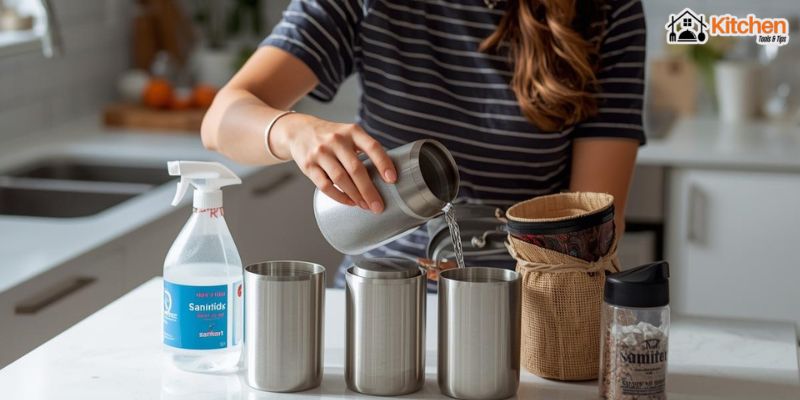
How to Sanitize Stainless Steel Drinkware: Complete Guide
Keep Your Drinks Safe and Clean
Do you use your water bottle every day? Does your coffee tumbler go everywhere with you? Then you need to know this: bacteria grow fast inside drinkware.
Your steel mug looks clean on the outside. But inside is a different story. Germs hide in small spaces. Coffee stains stick to walls. Odors build up over time.
This guide shows you how to sanitize stainless steel drinkware the right way. You will learn five proven methods. Each one is simple. Each one works fast. Your insulated tumbler will be spotless again.
Let’s keep your drinks safe and your drinkware fresh.
Why Stainless Steel Drinkware Needs Special Care
You own different types of steel drinkware. Each one needs proper cleaning.
Water bottles hold plain water. But they still collect bacteria from your mouth. The lid touches your lips many times each day. Germs transfer with each sip.
Coffee mugs face different problems. Coffee oils stick to steel. These oils turn into brown stains. The stains trap more bacteria. Your coffee tastes bad when residue builds up.
Steel cups and insulated tumblers have double walls. This design keeps drinks hot or cold. But it makes cleaning harder. You cannot reach inside the walls.
The lid is the biggest problem area. A coffee tumbler lid has many parts. Seals, threads, and small openings collect gunk. Mold grows in damp spots. A cup lid needs more attention than the container itself.
Steel bottle cleaner products help. But you do not always need them. Simple home methods work just as well.
Daily Cleaning vs Deep Sanitizing: Know the Difference
Daily cleaning removes visible dirt. You wash your mug after each use. Soap and water do the job. This keeps your drinkware looking nice.
Deep sanitizing kills all bacteria. It removes hidden buildup. It eliminates odors completely. You should sanitize your steel drinkware once a week.
How do you know when sanitizing is needed? Look for these signs:
- Your water bottle smells funny
- Coffee stains won’t come off
- The lid feels slimy
- Drinks taste weird
- You see dark spots or film
Regular sanitizing prevents these problems. It keeps you healthy. It makes your drinkware last longer.
Method 1: Hot Water and Soap (The Foundation)
This method works for daily maintenance. It also prepares your drinkware for deep cleaning.
Here is what you do:
Fill your steel mug with very hot water. Add two drops of dish soap. Close the lid. Shake hard for 30 seconds. The soap creates bubbles. The bubbles scrub the inside walls.
Open the lid. Pour out the soapy water. Rinse three times with hot water. Make sure no soap remains.
Now clean the lid separately. Take it apart if possible. Many coffee tumbler lids have removable seals. Pull them out gently. Wash each piece with hot soapy water. Use a small brush for threads and grooves.
Dry everything completely. Moisture breeds bacteria. Leave your water bottle open to air dry. Stand the lid upside down. Put small parts on a clean towel.
This method works great for steel cups used for water. For coffee mugs with stains, you need stronger methods.
Method 2: Baking Soda Deep Clean (For Stubborn Stains)
Baking soda is amazing for coffee stains. It scrubs without scratching steel. It also absorbs bad smells.
You will need:
- 2 tablespoons of baking soda
- Warm water
- A bottle brush (optional)
Add the baking soda to your insulated tumbler. Fill halfway with warm water. Stir with a spoon or shake gently. The mixture should look like thin paste.
Let it sit for one hour. The baking soda breaks down coffee oils. It loosens brown stains from the steel walls.
After one hour, scrub the inside with a bottle brush. If you do not have a brush, add ice cubes and shake hard. The ice acts like a scrubber.
Rinse your coffee mug thoroughly. All baking soda must come out. Check by smelling the inside. It should smell fresh and clean.
This method works perfectly for steel mugs with tough coffee stains. Use it once a week for heavy coffee drinkers.
Method 3: Vinegar Sanitizing Technique (Kill All Germs)
White vinegar is a natural disinfectant. It kills 99% of bacteria. It also removes mineral deposits from hard water.
Here is the process:
Fill your water bottle halfway with white vinegar. Add hot water to fill the rest. The ratio should be 1 part vinegar to 1 part water.
Close the lid tight. Let the solution sit for 2 hours. For very dirty items, leave it overnight.
The vinegar smell is strong. This is normal. The smell means it is working.
After soaking, pour out the vinegar solution. Rinse your steel bottle with hot water five times. The vinegar smell will disappear after proper rinsing.
Do not forget the lid. Soak your cup lid in vinegar solution separately. This sanitizes all the small parts.
Vinegar works great for sanitizing coffee tumbler lids. It reaches into threads and seals where bacteria hide.
Method 4: Cleaning Tablets Method (Quick and Easy)
Cleaning tablets made for steel drinkware are convenient. These steel bottle cleaner tablets fizz and clean automatically.
Popular brands include denture cleaning tablets. They work the same way as specialty products. Both types contain the same active ingredients.
How to use cleaning tablets:
Fill your insulated tumbler with warm water. Drop in one tablet. It will fizz and bubble. This action scrubs the steel walls.
Let it work for 15 minutes. The fizzing usually stops after 10 minutes. That means the tablet dissolved completely.
Pour out the blue liquid. Rinse your coffee mug three times with clean water.
Pros of cleaning tablets:
- Very easy to use
- Reach all areas inside
- Good for travel
- Work on tough stains
Cons of cleaning tablets:
- Cost more than home methods
- Contain chemicals
- Need rinsing thoroughly
Use cleaning tablets when you travel. They are perfect for sanitizing your water bottle at hotels or offices.
Method 5: Removing Tough Coffee Stains (Extra Power)
Some coffee stains are extremely stubborn. They resist normal cleaning. Here are two powerful tricks:
Ice and Salt Scrub:
Add 1/4 cup of ice cubes to your coffee tumbler. Add 1 tablespoon of coarse salt. The salt acts like sandpaper. The ice provides weight.
Close the lid. Shake vigorously for 2 minutes. The ice and salt scrub the stains off. You will hear the ice hitting the walls.
Pour everything out. Rinse with hot water. The stains should be gone.
Lemon Juice Boost:
Cut one lemon in half. Squeeze the juice into your steel mug. Add hot water and baking soda. This creates a powerful cleaning mixture.
Let it sit for 30 minutes. The acid in lemon juice breaks down coffee oils. It also leaves a fresh scent.
Scrub if needed. Rinse thoroughly.
These methods work on steel cups with years of buildup. Your old drinkware will look new again.
Caring for Cup Lids and Seals (Prevent Mold)
The lid needs more attention than the bottle. Here is why: moisture gets trapped in seals. Mold grows in dark, wet places. A moldy lid makes you sick.
Weekly lid care routine:
Take apart your coffee tumbler lid completely. Most lids have 3 to 5 pieces. Remove all rubber seals. Check for any black spots.
Wash each piece in hot soapy water. Use a small brush on threads. Cotton swabs work great for tiny spaces.
Soak seals in vinegar solution for 10 minutes. This kills hidden mold spores.
Dry everything in sunlight if possible. Sunlight is a natural disinfectant. It prevents mold growth.
Store your water bottle with the lid off. This allows air circulation. Moisture evaporates instead of creating a breeding ground for germs.
Replace seals every 6 months. Old seals crack and harbor bacteria. New seals cost less than $5. This small investment protects your health.
Best Practices for Long-Term Drinkware Health
You now know how to sanitize stainless steel drinkware. Follow these tips to keep it clean:
Rinse your steel mug after every use. Do not let coffee sit inside for hours. Coffee stains form fast.
Deep clean your insulated tumbler once a week. Pick one method from this guide. Stick with it.
Never put hot liquids in a sealed container. Let them cool slightly first. This prevents pressure buildup.
Avoid using bleach on steel. It can damage the finish. Natural methods work better anyway.
Check your water bottle for damage regularly. Dents can trap bacteria. Deep scratches inside need extra cleaning.
Use the right brush size. Bottle brushes come in different widths. Match the brush to your drinkware opening.
Hard water leaves white spots on steel cups. Vinegar removes these deposits easily.
Coffee tumbler lids need weekly sanitizing. They touch your mouth constantly. This is where most germs live.
Keep spare seals at home. Replace them when they look worn or smell bad.
Frequently Asked Questions
How often should I sanitize my stainless steel water bottle?
Sanitize your water bottle once a week with deep cleaning. Wash it daily with soap and hot water. If you use it for coffee or sugary drinks, sanitize it twice a week.
Can I put my steel mug in the dishwasher?
Many steel mugs are dishwasher safe. But hand washing works better. The dishwasher cannot reach inside insulated tumblers properly. Always check the manufacturer instructions first.
Why does my coffee tumbler smell bad even after washing?
Coffee oils stick to steel and create odors. Try the vinegar soaking method. Let it sit overnight. The smell comes from bacteria feeding on old coffee residue.
How do I clean a water bottle lid that has mold?
Take the lid apart completely. Soak all pieces in white vinegar for 2 hours. Scrub with a small brush. If mold remains, replace the lid. Mold can be dangerous.
What is the best steel bottle cleaner for daily use?
Hot water and dish soap work best for daily cleaning. Save specialty steel bottle cleaner tablets for deep sanitizing once a week.
Can baking soda scratch my stainless steel drinkware?
No. Baking soda is gentle enough for steel. It scrubs stains without scratching the surface. Use it safely on all your steel cups and mugs.
How do I remove years of coffee stains from my old mug?
Use the ice and salt scrub method. Repeat it twice if needed. Follow up with the baking soda soak. Very old stains might need overnight vinegar treatment.
Is it safe to drink from a stainless steel bottle every day?
Yes. Stainless steel is very safe. It does not leach chemicals into your drinks. Just keep it clean. Sanitize it weekly to prevent bacteria growth.
Your Drinkware is Now Spotless
You learned eight different ways to sanitize stainless steel drinkware. Each method is simple and effective.
Start with daily soap and water washing. Add weekly deep cleaning with vinegar or baking soda. Use cleaning tablets when traveling. Take apart and clean your coffee tumbler lid every week.
These habits keep your water bottle safe. They remove coffee stains from your steel mug. They prevent mold in your insulated tumbler. Your drinks will taste fresh again.
Clean drinkware protects your health. Bacteria cannot make you sick when your bottle is properly sanitized. Coffee stains cannot ruin the taste of your morning drink.
Pick one method from this guide. Try it today. Your steel cups will thank you. More importantly, your body will thank you.
Remember: a clean water bottle is a healthy habit. Make sanitizing part of your weekly routine. Your stainless steel drinkware will last for years.
Stay healthy. Stay clean. Enjoy every sip.