
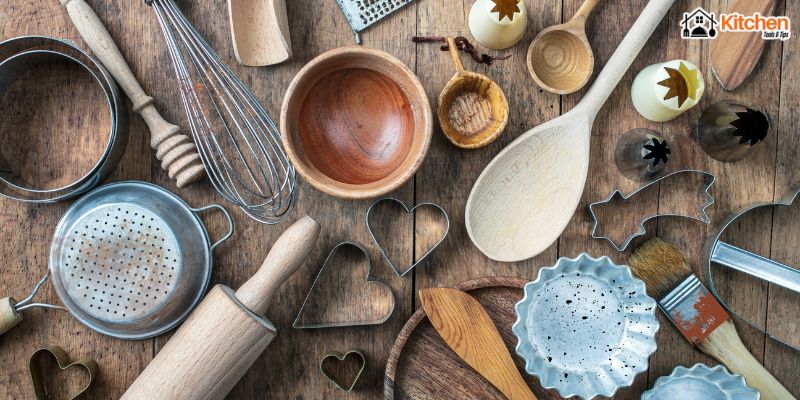
Every baker knows this pain. You reach for your favorite baking pan and find orange spots all over it. Rust has attacked again. Your once-shiny tools now look old and damaged.
I have baked for over fifteen years. I learned the hard way that wet tools create rust fast. Even the best baking pans can rust if stored wrong. But good news exists. You can keep your tools rust-free with simple steps.
This guide shares proven methods to store baking tools properly. These tips work for all metal items in your kitchen. Your baking pans will stay clean and ready to use.
Why Do Baking Tools Get Rusty?
Rust forms when metal meets water and air. Your kitchen has both in large amounts. Steam from cooking adds moisture to the air. Water droplets hide in corners and edges.
Metal baking pans are most at risk. They get wet during washing. Small amounts of water can stay trapped between stacked pans. This trapped water causes rust to form quickly.
Your garage might seem like extra storage space. But garages often have high humidity. This makes rust form even faster than in your kitchen. Temperature changes create condensation on metal surfaces.
Some metals rust faster than others. Iron and steel rust quickly. Aluminum resists rust better but can still corrode. Even stainless steel can develop rust spots under certain conditions.
Clean Your Tools Before Storing Them
Cleaning is the first step to prevent rust. Wash your baking pans right after use. Do not let food sit on them overnight. Old food can trap moisture against the metal.
Use warm water and mild soap for daily cleaning. Scrub away all food bits and grease. Pay attention to corners and edges where residue hides.
Baking soda works great for tough stains. Make a paste with water and baking soda. Spread it on stuck-on food. Let it sit for ten minutes. Then scrub gently with a soft cloth. This method cleans without scratching the metal.
Got rust spots already? Try vinegar rust removal. White vinegar dissolves rust naturally. Pour vinegar over rusty areas. Let it soak for an hour. Scrub with a soft brush. Rinse well with clean water.
The most important step is drying. Water left on tools causes rust within hours. Dry each item completely with a clean towel. Do not skip this step. Even tiny water drops can start rust formation.
Air drying takes too long. Water spots form during slow drying. Always use a towel to hand-dry your tools. Then let them sit out for fifteen minutes before putting them away.
Best Ways to Store Your Baking Tools
Where you store tools matters as much as how you store them. Your kitchen is usually the best spot. It stays drier than a garage in most homes. The temperature stays more stable too.
Using Drawers for Storage
Drawers keep tools organized and protected. Line drawers with shelf paper first. This prevents scratches and provides extra protection. Place heavier items like baking pans at the bottom.
Never stack wet tools. Each piece must be completely dry first. Put paper towels between stacked pans. This creates air space and absorbs any remaining moisture. Change these paper towels every few months.
Store tools vertically when possible. Stand baking sheets upright instead of stacking them flat. This allows air to flow around each piece. Many kitchen stores sell dividers made for this purpose.
Cabinet Storage Solutions
Cabinets work well for larger baking tools. Choose cabinets away from the sink and stove. These areas have the most moisture and heat. Upper cabinets are often drier than lower ones.
Use hooks to hang items when you can. Hanging prevents moisture from getting trapped underneath. It also makes tools easier to grab when you need them.
A tool box can organize smaller items beautifully. Get a plastic or metal tool box from any hardware store. These boxes keep hand tool items sorted and dry. They work just as well for cookie cutters and small baking gadgets.
Learning from Other Tool Storage
Garden tools and woodworking tools face the same rust problems. Gardeners coat their tools with oil before winter storage. This creates a barrier against moisture. You can use the same trick for your baking tools.
Apply a very thin layer of food-grade mineral oil to metal surfaces. Wipe off any excess with a clean cloth. This protective coating stops rust before it starts. Use this method on tools you will not use for a while.
Protecting Tools from Moisture
Humidity is the biggest enemy of metal tools. Your kitchen creates lots of moisture from cooking and washing. You need ways to fight this dampness.
Silica gel packets absorb moisture from the air. You find these small packets in shoe boxes and vitamin bottles. Save them and put them in your tool storage areas. They pull water out of the air before it touches your tools.
Replace silica gel packets every six months. You can buy new ones cheaply online or at craft stores. Some packets change color when they stop working. This tells you when to swap them out.
Cloth works better than plastic for covering tools. Plastic traps moisture and creates condensation. Cloth allows air to flow while keeping dust away. Wrap special tools in clean cotton towels.
Keep your storage areas well-ventilated. Open cabinet doors once a week to let fresh air in. This simple habit prevents moisture from building up inside closed spaces.
Special Care for Different Tools
Not all baking tools are made equal. Different materials need different care methods. Cast iron baking pans need oil coating after every wash. This traditional method has worked for over a hundred years.
Non-stick pans can scratch easily. Never stack them directly on top of each other. Always use cloth or paper separators between them. Scratches in the coating can expose metal underneath to rust.
Copper baking tools need extra attention. Copper tarnishes and can develop green spots. Store copper in dry places only. Polish copper items before long-term storage.
Seasonal bakers face unique challenges. If you only bake during holidays, your tools sit unused for months. Before storing tools for long periods, clean them extra carefully. Apply a thin coat of mineral oil. Wrap each piece in cloth. Check on them once a month to catch any problems early.
Regular Maintenance Keeps Tools Perfect
Set up a simple maintenance routine. Once a month, look at all your stored tools. Check for any signs of rust or damage. Catching rust early makes it easier to clean.
If you find small rust spots, act fast. Use the vinegar rust removal method right away. Small spots come off easily. Large rust patches are much harder to fix.
Wipe down metal surfaces every few months. Use a clean, dry cloth to remove any dust or moisture. This quick task takes five minutes but saves your tools from damage.
Sometimes tools get too rusty to save. Deep rust pits weaken the metal. These tools can break during use and should be replaced. Do not take risks with badly damaged baking pans.
When Storage Space Is Limited
Small kitchens create storage problems. You might need to use your garage or basement for extra space. These areas are not ideal, but you can make them work.
Control humidity in storage areas outside the kitchen. Use a dehumidifier if possible. These machines pull moisture from the air. They protect all stored items, not just baking tools.
Check garage-stored tools more often. Temperature swings in garages create more condensation. Look at your tools every two weeks when stored in non-climate-controlled spaces.
Group similar items together. Keep all baking pans in one container. Put cookie cutters in another box. This organization helps you find things fast. It also makes maintenance easier.
Final Thoughts
Preventing rust on baking tools is simple when you follow basic rules. Always clean and dry tools completely. Store them in dry places with good air flow. Use protective barriers like oil or paper towels. Check on them regularly to catch problems early.
These methods work for more than just baking tools. The same principles protect hand tool collections, garden tools, and woodworking tools. Moisture is the enemy of all metal items.
Your baking tools represent an investment in your hobby or business. Taking care of them saves money over time. Well-maintained tools also work better and produce better results.
Start with one change today. Maybe you will begin drying tools more carefully. Or perhaps you will add silica gel to your drawers. Small improvements add up to big results. Your future self will thank you when every tool stays shiny and rust-free.
Frequently Asked Questions
Can I store baking pans in the garage? You can, but garages have high humidity. Use a sealed container with silica gel packets. Check tools often for rust spots.
What removes rust from baking tools fast? White vinegar works best for quick clean rust removal. Soak rusty areas for one hour, then scrub gently with a soft brush.
Should I oil my baking pans before storage? Yes, a thin coat of food-grade mineral oil prevents rust. This works especially well for cast iron and carbon steel pans.
How do I dry baking tools properly? Hand-dry each tool with a clean towel immediately after washing. Let them air out for fifteen minutes before putting them away.
Do stainless steel baking tools rust? Stainless steel resists rust better than other metals. But it can still rust if exposed to salt, moisture, or harsh chemicals over time.
Where is the best place to store baking tools? A dry kitchen cabinet or drawer works best. Choose spots away from the sink and stove where moisture is highest.