
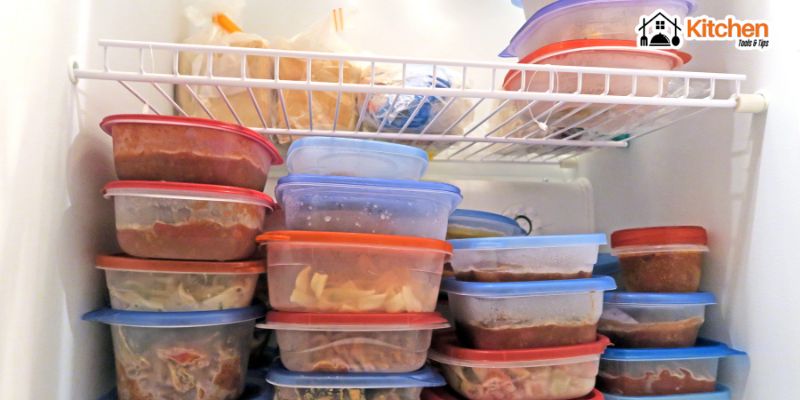
Storing leftovers properly keeps your food fresh and your family safe. Follow these simple rules to avoid food poisoning and reduce waste.
Why Safe Leftover Storage Matters
Bacteria grow fast on food left at room temperature. Unsafe storage can cause foodborne illness within hours. The CDC reports millions of Americans get sick from contaminated food each year.
Proper storage stops bacteria from multiplying. It also keeps food tasty and nutritious for later meals.
The Two-Hour Rule
Never leave food out for more than two hours. In hot weather above 90°F, cut this to one hour.
Bacteria multiply rapidly between 40°F and 140°F. This range is called the “danger zone.” Get your leftovers into the fridge or freezer quickly.
Set a timer after meals. This helps you remember to store food on time.
Choosing the Right Containers
Use shallow, airtight containers for best results. Here’s what works well:
- Glass containers with tight lids
- BPA-free plastic containers
- Heavy-duty freezer bags
- Aluminum foil for short-term storage
Shallow containers help food cool faster. Deep containers keep the center warm too long, allowing bacteria to grow.
Label each container with the date. This helps you track freshness and use older items first.
Proper Cooling Techniques
Don’t put hot food straight into the fridge. This raises the internal temperature and affects other foods.
Follow these cooling steps:
For small portions: Let food sit for 20-30 minutes, then refrigerate.
For large portions: Divide into smaller containers first. This speeds up cooling and makes reheating easier.
For soups and stews: Pour into shallow pans. Stir occasionally to release heat faster.
Never cover hot food while cooling. This traps heat inside. Cover only when food reaches room temperature.
Refrigerator Storage Guidelines
Set your fridge to 40°F or below. Use a thermometer to check the temperature regularly.
Store leftovers on upper or middle shelves. Keep raw meat on the bottom shelf to prevent drips.
Don’t overcrowd your fridge. Air needs to circulate around containers to keep food cold.
Place leftovers toward the front. This reminds you to eat them before they spoil.
Freezer Storage Tips
Your freezer should stay at 0°F or colder. Freezing stops bacteria growth completely.
Remove as much air as possible from containers. Air causes freezer burn and affects quality.
Best foods for freezing:
- Cooked meats and casseroles
- Soups and stews
- Baked goods
- Rice and pasta dishes
Don’t freeze:
- Cream-based sauces
- Raw vegetables with high water content
- Fried foods
- Mayo-based salads
Thaw frozen leftovers in the fridge, never on the counter. Plan ahead and move items to the fridge the night before.
How Long Leftovers Last
Different foods have different shelf lives. Here’s a quick guide:
Refrigerator (40°F or below):
- Cooked meat and poultry: 3-4 days
- Pizza: 3-4 days
- Soups and stews: 3-4 days
- Cooked vegetables: 3-4 days
- Egg dishes: 3-4 days
- Seafood: 1-2 days
- Salads with dressing: 1-2 days
Freezer (0°F or below):
- Cooked meat: 2-6 months
- Casseroles: 2-3 months
- Soups: 2-3 months
- Baked goods: 2-3 months
When in doubt, throw it out. Smell and appearance aren’t always reliable signs of spoilage.
Reheating Leftovers Safely
Heat leftovers to 165°F throughout. Use a food thermometer to check the temperature.
Microwave tips:
- Cover food with a lid or damp paper towel
- Stir halfway through heating
- Let food sit for two minutes after heating
Stovetop tips:
- Add a splash of water or broth
- Stir frequently
- Heat on medium, not high
Oven tips:
- Cover with foil to prevent drying
- Heat at 350°F until steaming hot
- Check temperature in multiple spots
Only reheat what you’ll eat. Reheating food multiple times increases food safety risks.
Common Mistakes to Avoid
Don’t make these storage errors:
Leaving food out too long. Set timers and refrigerate promptly.
Using damaged containers. Cracks and scratches harbor bacteria.
Storing food too deep. Use containers under three inches deep.
Ignoring dates. Check labels and toss expired items weekly.
Tasting questionable food. Never taste food to check if it’s safe. Just throw it away.
Cooling food in the fridge covered. This traps heat and slows cooling.
Storing warm food next to cold items. This warms surrounding foods into the danger zone.
Final Thoughts
Safe leftover storage is simple when you follow basic rules. Cool food quickly, store it properly, and eat it within safe timeframes.
These habits protect your health and save money. You’ll enjoy delicious meals without worry.
Start using these tips today. Your future self will thank you for the safe, tasty leftovers waiting in your fridge.