
How to Use a Cooling Rack Properly: The Complete Guide
Cooling racks seem simple. But many home cooks use them wrong. This guide will show you how to use a cooling rack properly for better baking and cooking results.
What Is a Cooling Rack and Why Does It Matter?
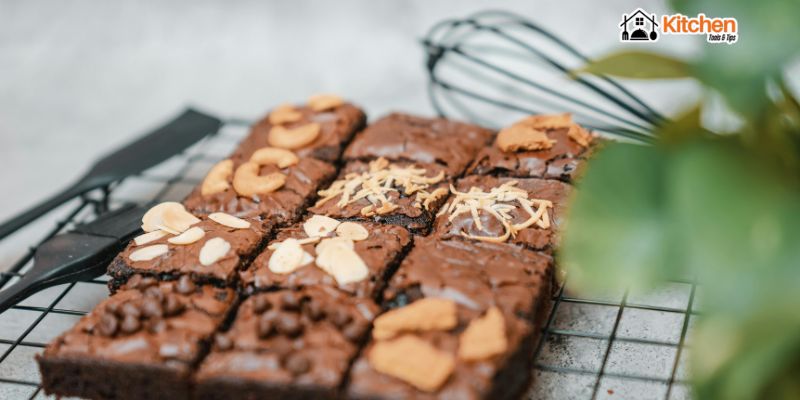
A cooling rack is a metal grid that lifts food off your counter. Air flows around the food from all sides. This stops soggy bottoms on cookies and cakes.
Most cooling racks are made of wire. The grid pattern lets air circulate freely. This is key for proper cooling.
When you place hot cookies on a solid surface, steam gets trapped. The bottoms turn soft and soggy. A wire cooling rack solves this problem fast.
Types of Cooling Racks You Should Know
Wire Cooling Racks
These are the most common type. They have thin wires arranged in a grid. Wire cooling racks work great for most baking tasks.
The spacing between wires matters. Tight spacing works better for small cookies. Wider spacing is fine for larger items.
Stainless Steel Options
Stainless steel racks last longer than chrome-plated ones. They resist rust better. Brands like Caraway make quality stainless steel cooling racks.
These racks cost more upfront. But they last for years without issues.
Stackable Cooling Rack Systems
A stackable cooling rack saves counter space. You can cool multiple batches at once. This is perfect when baking large quantities of cookies.
Each level gets good air flow. The design keeps treats separate and neat.
Collapsible Designs
A collapsible cooling rack folds flat for storage. This works well in small kitchens. You get full function when you need it. Then it tucks away easily.
How to Use a Cooling Rack for Baking
Cake Cooling Done Right
Cake cooling requires patience. Let your cake sit in the pan for 10 minutes first. This prevents breaking.
Then flip the cake onto your cooling rack. The wire supports the cake evenly. Air reaches all sides for uniform cooling.
Never frost a warm cake. Wait until it reaches room temperature. Your cooling rack makes this process faster and cleaner.
Perfect Cookie Cooling
Cookies need immediate transfer to a cooling rack. Use a spatula to lift each one. Place them in a single layer with space between.
The cookies will continue cooking on a hot baking sheet. Moving them to a wire cooling rack stops this process. You get the perfect texture every time.
Let cookies cool for 5 minutes before eating. This lets them firm up properly.
Using with a Baking Sheet
Place your cooling rack inside a baking sheet. This catches drips when you glaze items. It also works great for bacon or other foods that release grease.
A sheet pan underneath keeps your counter clean. The combination is very practical for cooking tasks.
Advanced Cooking with Cooling Racks
Fried Chicken Perfection
Fried chicken stays crispy when you use a cooling rack. Place the rack over a sheet pan. Put your hot fried chicken on the rack.
The excess oil drips down. Air circulates around each piece. The coating stays crunchy instead of getting soggy.
This method works for any fried food. Fish, vegetables, and fritters all benefit.
Oven Racks and Roasting
You can use a baking rack in your oven. Place it on a sheet pan. Put meat or vegetables on top.
Heat reaches the food from below. The food roasts evenly on all sides. Excess fat drips into the pan below.
Make sure your rack is oven-safe first. Most wire cooling racks can handle 400°F. Check the manufacturer guidelines.
Bacon and Other Meats
Bacon turns out perfect on a cooling rack in the oven. Lay strips across the wires. Bake at 400°F for 15-20 minutes.
The fat drips away. The bacon cooks evenly without flipping. Cleanup is easier too.
Brand-Specific Tips and Recommendations
Pampered Chef Cooling Racks
Pampered Chef makes reliable cooling racks. Their designs often include feet that raise the rack higher. This gives extra clearance for air flow.
These racks are dishwasher safe. They resist warping over time. The investment pays off in durability.
Caraway Bakeware System
Caraway offers cooling racks that match their bakeware line. The design focuses on non-toxic materials. Their racks coordinate with sheet pans perfectly.
The aesthetic appeal is a bonus. Function comes first with proper spacing and sturdy construction.
DIY Cooling Rack Solutions
You can make a DIY cooling rack in a pinch. Use oven racks propped on cans. Or flip a muffin tin upside down.
These solutions work for emergencies. They lack the stability of proper cooling racks. Safety should be your first concern.
Invest in a real cooling rack when possible. The cost is low compared to the benefits.
Care and Maintenance Tips
Cleaning Your Cooling Rack
Wash your cooling rack after each use. Warm soapy water works for most messes. A brush helps reach between wires.
For stuck-on food, soak the rack first. Then scrub gently. Avoid harsh abrasives on coated racks.
Many stainless steel racks are dishwasher safe. Check your product information first.
Storage Solutions
Store cooling racks vertically when possible. This saves cabinet space. Keep them in a dry location to prevent rust.
A collapsible rack folds flat for tight spaces. Stackable cooling racks nest together nicely.
When to Replace
Replace your cooling rack if you see rust forming. Rust can flake into food. It also weakens the structure.
Bent or broken wires mean replacement time. A damaged rack won’t support food properly. Safety matters more than saving money.
Common Problems and Solutions
Preventing Rust
Dry your cooling rack completely after washing. Water left on the rack causes rust spots. Pay attention to joints and welds.
Stainless steel racks resist rust better than chrome-plated ones. The upgrade is worth considering.
Stability Issues
Racks with feet are more stable than flat designs. Look for rubber feet that grip your counter. This prevents sliding when you move hot items.
A wire cooling rack should sit flat without wobbling. Test this before buying.
Choosing the Right Size
Match your rack size to your baking sheet. Standard half-sheet pans are 18 by 13 inches. Your rack should fit inside with a small gap.
Larger racks work better for big batches. Small racks are fine for limited baking.
Frequently Asked Questions
Q: Can I put my cooling rack in the oven?
A: Most wire cooling racks work in ovens up to 400°F. Check the product specs first. Avoid racks with plastic feet or handles.
Q: How long should cookies cool on a rack?
A: Let cookies cool for 5 minutes on the rack. They firm up as they cool. You can eat them warm after this time.
Q: What is the best material for a cooling rack?
A: Stainless steel is the best choice. It lasts longer and resists rust better than chrome-plated options.
Q: Can I use a cooling rack for savory cooking?
A: Yes. Cooling racks work great for fried chicken, bacon, and roasted vegetables. The same air flow principle applies.
Q: How do I clean a very dirty cooling rack?
A: Soak the rack in hot soapy water for 30 minutes. Then scrub with a brush. For tough spots, make a paste with baking soda and water.
Q: Do I need multiple cooling racks?
A: Two or three racks are ideal for serious bakers. You can cool multiple batches without waiting. A stackable cooling rack system maximizes space.
Final Thoughts
Learning how to use a cooling rack properly improves your baking and cooking. The right technique makes food taste better. Proper air flow prevents soggy textures.
Start with one quality wire cooling rack. Add more as your needs grow. Brands like Pampered Chef and Caraway offer reliable options.
Remember these key points. Always transfer hot items promptly. Let air circulate on all sides. Keep your rack clean and dry between uses.
Your baked goods will turn out better every time. The small investment in a good cooling rack pays off quickly. Better texture, easier cleanup, and more consistent results make cooking more enjoyable.
Try these tips in your next baking session. You will notice the difference right away. A cooling rack is a simple tool with powerful results.