
How to Use a Silicone Baking Mat: A Complete Guide for Perfect Baking
Baking can be messy. Cookies stick to pans. Cleanup takes forever. But there’s a simple solution that will change your baking game.
A silicone baking mat is a game-changer for home bakers. It’s a flexible, non-stick surface that replaces parchment paper. You can use it hundreds of times. It saves money and reduces waste. Plus, it makes baking easier and cleanup faster.
I’ve been using silicone baking mats for over five years. They’ve transformed how I bake cookies, macarons, and pastries. In this guide, I’ll show you exactly how to use a silicone baking mat. You’ll learn the right way to prepare it, what to bake on it, and how to care for it.
Whether you’re new to baking or a seasoned pro, this guide will help you get the most from your mat. Let’s dive in.
What Is a Silicone Baking Mat?
A silicone baking mat is a flexible sheet made from food-grade silicone. It sits on your cookie sheet or baking pan. The mat creates a non-stick surface for baking.
The most famous brand is Silpat. A Silpat mat is the gold standard. But many affordable options work just as well. Most mats measure about 11.5 by 16.5 inches. This fits a standard half-sheet pan perfectly.
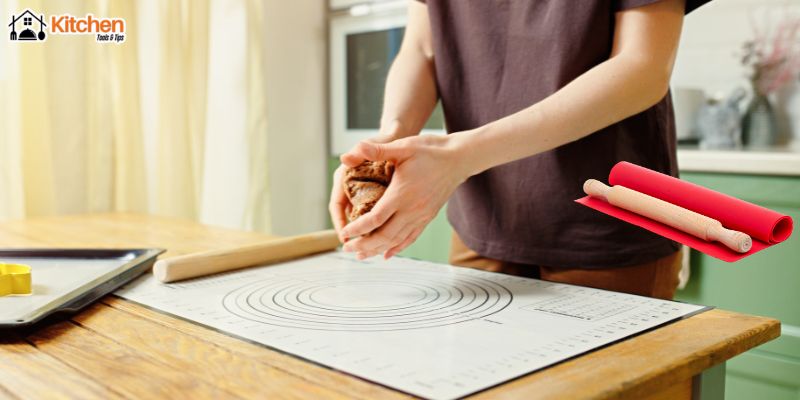
There are different types of mats. A standard cooking mat works for most recipes. A macaron mat has printed circles. These circles guide you when piping macaron batter. A rolling mat has measurements printed on it. This helps when rolling dough to specific sizes.
Silicone mats differ from parchment paper in key ways. Paper is single-use. You throw it away after baking. A silicone mat lasts for years. It’s also more durable and won’t slide around your pan. The mat provides better heat distribution than baking paper.
Benefits of Using a Silicone Baking Mat
Reusable and Eco-Friendly
You can use a silicone baking mat thousands of times. This means less waste. No more throwing away parchment paper after every batch of cookies. It’s better for the environment and your wallet.
Perfect Non-Stick Surface
Nothing sticks to a silicone mat. Cookies slide right off. Macarons lift cleanly. You don’t need butter or oil. The natural properties of silicone prevent sticking.
Even Heat Distribution
Silicone conducts heat evenly. Your baked goods brown uniformly. No more burnt edges with raw centers. The mat helps regulate temperature across the entire surface.
Cost-Effective Investment
A quality mat costs between $10 and $25. It replaces hundreds of rolls of parchment paper. You’ll break even within months. After that, you’re saving money with every use.
Easy to Clean
Most mats are dishwasher safe. You can also wash them by hand with soap and water. They dry quickly. No scrubbing burnt cookies off metal pans.
Step-by-Step: How to Use a Silicone Baking Mat
Preparing Your Mat for First Use
When you first get your mat, wash it thoroughly. Use warm water and dish soap. Rinse it well. Dry it completely with a clean towel. This removes any manufacturing residue.
Some people notice a slight smell when the mat is new. This is normal. The smell fades after a few uses. You can speed this up by baking the empty mat at 250°F for 20 minutes.
Placing It on Your Cookie Sheet
Lay your cookie sheet on the counter. Place the silicone mat flat on top. Make sure it sits evenly. The mat should cover the entire surface. There’s no need to grease the mat or the pan.
Don’t let the mat hang over the edges. Trim it if needed. But most mats fit standard pans perfectly.
Adding Dough or Batter
Now you’re ready to bake. For cookies, scoop your chocolate chip cookie dough directly onto the mat. Space them as you normally would. The dough won’t spread differently on silicone.
For macarons, use a macaron mat with printed circles. Pipe your batter into each circle. The guides ensure uniform size. This is crucial for macaron baking success.
For rolled dough, place it on a rolling mat. The measurements help you roll to the exact thickness. This works great for pie crusts and sugar cookies.
Temperature Guidelines
How to use a silicone baking mat at the right temperature is important. Most mats handle up to 480°F. Check your specific mat’s limit. The manufacturer lists this on the packaging.
For most baking cookies, temperatures between 325°F and 375°F work perfectly. Macarons typically bake at 300°F to 325°F. These temperatures are well within safe limits.
Never use your mat under a broiler. The direct heat can damage it. Also avoid using it on the stovetop or over direct flames.
Baking Time Adjustments
Here’s something important: silicone mats may change baking times slightly. The mat insulates the bottom of your baked goods. This can add 1-2 minutes to your baking time.
Watch your first batch closely. Check cookies a minute or two later than your recipe suggests. Once you know how your oven and mat work together, timing becomes consistent.
For baking cookies, look for the same doneness cues. Golden edges, set centers, and that wonderful aroma mean they’re ready.
Removing Baked Goods Safely
Let your cookies cool on the mat for 2-3 minutes. This allows them to firm up. Then use a spatula to lift them off. They should release easily.
For sticky items like caramel or taffy, cool completely before removing. The mat’s flexibility helps. You can gently peel it away from stubborn spots.
Never cut directly on your mat. Use a cutting board or cooling rack for slicing.
What to Bake on a Silicone Baking Mat
Cookies and Chocolate Chip Treats
Silicone mats excel at baking cookies. Chocolate chip cookies come out perfectly. The bottoms don’t burn. The edges brown evenly. Sugar cookies, oatmeal cookies, and shortbread all work beautifully.
Macarons and Delicate Pastries
A macaron mat is essential for these finicky treats. The printed circles guide your piping. Your macarons bake evenly. The smooth surface prevents sticking. Macarons slide off effortlessly when cool.
Working with Dough
Roll pie dough, pizza dough, or cookie dough on your rolling mat. The measurements eliminate guesswork. The surface prevents sticking without flour. Your dough stays tender.
Roasted Vegetables and More
You can roast vegetables on a silicone mat. They caramelize nicely without sticking. Try Brussels sprouts, carrots, or sweet potatoes. The cleanup is incredibly easy.
What NOT to Bake
Avoid baking bread directly on the mat. Bread needs direct heat for a crispy crust. The insulation prevents this. Also skip recipes with temperatures above your mat’s limit. Anything requiring cutting while hot should go on parchment paper instead.
Caring for Your Silicone Baking Mat
Cleaning Methods
After each use, let your mat cool completely. Wash it with warm water and mild dish soap. A soft sponge works best. Rinse thoroughly. Residue can build up if you don’t rinse well.
For stubborn grease, make a paste with baking soda and water. Gently scrub the affected areas. Rinse completely. Your mat should feel clean and slightly grippy, not slippery.
Many mats are dishwasher safe. Place them on the top rack. Use a gentle cycle. Air dry or pat dry with a towel.
Storage Tips
Store your mat flat or rolled loosely. Don’t fold it. Folding creates permanent creases. These creases can become weak points over time.
Keep it away from sharp objects. Store it in a drawer or lay it flat between pans. Some people hang them on hooks.
Avoiding Damage
Never use knives or sharp utensils on your mat. Never cut food while it’s on the mat. Don’t use metal scrapers or abrasive scrubbers. These can tear or scratch the surface.
Keep your mat away from open flames. Don’t place it directly on hot stove burners. Even when empty, this can melt or warp the silicone.
Lifespan Expectations
With proper care, a quality Silpat mat or cooking mat lasts 2,000 to 3,000 uses. That’s several years for most home bakers. You’ll know it’s time to replace it when the surface becomes sticky or starts to deteriorate.
Common Mistakes to Avoid
Using Cooking Spray
Don’t spray your mat with oil or cooking spray. The silicone is already non-stick. Adding spray creates a sticky residue. This residue is hard to remove. It actually makes food stick more over time.
Cutting on the Mat
Never cut anything while it’s on your mat. Not pizza, not cookies, nothing. Knives damage the silicone. Even small cuts can spread and ruin the mat. Always transfer food to a cutting board first.
Exceeding Temperature Limits
Check your mat’s maximum temperature. Don’t exceed it. High heat can break down the silicone. It may release odors or become sticky. When in doubt, stay under 450°F for safety.
Frequently Asked Questions
Can I use a silicone baking mat instead of parchment paper?
Yes. A silicone mat replaces parchment paper for most recipes. It’s reusable and works better for many applications. However, parchment paper is better for recipes requiring cutting while hot.
Do I need to grease a silicone baking mat?
No. The mat is naturally non-stick. Adding grease creates buildup. It makes cleaning harder and can cause sticking over time.
How do I remove stains from my mat?
Soak it in hot water with a drop of dish soap. Scrub gently with baking soda paste. For tough stains, try a mixture of lemon juice and water. Rinse thoroughly after cleaning.
Can silicone mats go in the oven?
Yes. That’s their purpose. Just stay within the temperature limits. Most mats handle up to 480°F safely. Check your specific mat’s rating.
Why do my cookies take longer on a silicone mat?
The mat insulates the bottom. This slows heat transfer slightly. Add 1-2 minutes to your baking time. Your cookies will still bake perfectly.
Conclusion
Learning how to use a silicone baking mat is simple. Place it on your cookie sheet. Add your dough. Bake as usual. Clean it after use.
These mats make baking easier and more enjoyable. They’re perfect for cookies, macarons, and countless other treats. With proper care, your mat will last for years.
Start using a silicone baking mat today. Your future self will thank you.