
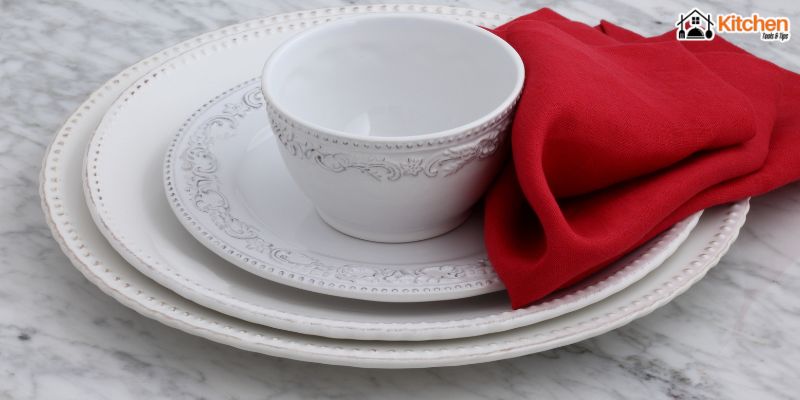
Is Stoneware Dinnerware Non Toxic? Here’s the Truth
You eat from your plates every single day. So it makes sense to ask: is stoneware dinnerware non toxic?
The short answer is yes most modern stoneware is safe. But not all of it is. Some older pieces and low-quality imports still contain lead or cadmium in the glaze.
I’ve spent years researching dinnerware safety. I’ve tested brands, read lab reports, and talked to ceramic experts. In this guide, I’ll walk you through everything you need to know.
By the end, you’ll know exactly what to look for in safe ceramic plates and bowls, which dinnerware brands to trust, and what to avoid.
What Is Stoneware, Exactly?
Stoneware is a type of ceramic. It is fired at very high temperatures usually between 2,100°F and 2,300°F. That process makes it dense, hard, and non-porous.
It sits between earthenware and porcelain dinnerware on the hardness scale. Stoneware is heavier than porcelain. It feels solid and sturdy in your hands.
Most stoneware sets have a glaze on top. The glaze makes them shiny, colorful, and easier to clean. That glaze is where toxicity concerns come in.
Why People Worry About Toxins in Dinnerware
The main concerns with ceramic plates and bowls are lead and cadmium. Both are heavy metals. Both are toxic to humans, even in tiny amounts.
Historically, potters used lead in glazes because it created a smooth, glossy finish. Cadmium was used to make bright colors like red, orange, and yellow.
When you eat or drink from a leaded dish, tiny amounts can leach into your food. Hot foods, acidic foods (like tomatoes or citrus), and scratched dishes make leaching worse.
Over time, this adds up. Lead exposure can cause serious health problems, especially in children.
Is Modern Stoneware Safe to Use?
Yes. Most stoneware made today is non toxic and lead free.
In the United States, the FDA sets strict limits on the amount of lead that can leach from dinnerware. Reputable dinnerware brands follow these rules. Many go even further and make fully lead-free and cadmium-free products.
When you buy stoneware sets from trusted brands at retailers like Home Depot or specialty kitchen stores, you can feel confident. These brands are held to high safety standards.
The risk is higher with:
- Antique or vintage ceramic bowls and plates
- Handmade pottery from unknown sources
- Imported dish sets without safety certifications
- Brightly colored glazes, especially red, orange, or yellow
Stoneware vs. Porcelain Dinnerware: Which Is Safer?
This is a common question. The truth is, both can be safe. Neither material is inherently more toxic than the other.
Porcelain dinnerware is fired at even higher temperatures than stoneware. It is whiter and more delicate looking. Like stoneware, its safety depends on the glaze and the manufacturer.
A well-made stoneware set from a reputable brand is just as safe as a porcelain dinnerware set. The key is always in the glaze quality and the brand’s safety standards.
How to Identify the Safest Dinnerware
Here’s what I look for when choosing safe ceramic plates and bowls:
1. Look for “Lead Free” labeling
Reputable dinnerware brands clearly label their products as lead free. This means the glaze does not contain lead above safe limits. Always check the product description or packaging before buying.
2. Choose well-known dinnerware brands
Trusted dinnerware brands like Fiesta, Corelle, Le Creuset, and others invest heavily in safety testing. Buying from established brands lowers your risk significantly.
3. Avoid chipped or cracked pieces
A chip or crack in your ceramic bowls or plates can expose the underlying clay. It also increases leaching, even in dishes that were originally safe. Replace damaged pieces right away.
4. Be cautious with bright colors
Vivid colors in ceramic glazes, especially on the inside of the dish, can be a red flag. Some colorants have historically contained heavy metals. Stick to neutral tones or verify the glaze is certified safe.
5. Check for FDA compliance
In the US, dinnerware sold for food use must meet FDA leaching limits. Look for brands that go beyond FDA standards and have third-party lab testing to prove it.
The Safest Types of Dinnerware Overall
If you want the safest dinnerware, here are your best options:
- Plain white stoneware sets fewer colorants in the glaze
- Undecorated porcelain dinnerware minimal glaze chemicals
- Glass dinnerware no glaze at all
- Stainless steel no ceramic concerns
- Certified lead-free ceramic dinnerware sets from trusted brands
If you shop at stores like Home Depot, you’ll find a wide range of dinnerware sets from brands that meet current safety standards. Always read the product details and look for lead-free certifications.
What About Handmade or Artisan Stoneware?
Handmade pottery and artisan stoneware sets can be beautiful. But they carry more risk if the maker hasn’t tested their glazes.
If you love artisan ceramic bowls or plates, ask the maker directly:
- Are your glazes lead free and cadmium free?
- Have you done leach testing?
- Are your pieces safe for food use?
A responsible artisan will answer these questions without hesitation. If they can’t, move on.
Tips for Using Stoneware Safely
Even with safe stoneware, good habits help:
- Do not store acidic foods in ceramic bowls for long periods
- Avoid using cracked or chipped pieces
- Hand-wash heavily decorated dinner sets to preserve the glaze
- Do not use decorative-only pieces for serving food
- Replace very old stoneware with new, certified lead-free dinnerware sets
Frequently Asked Questions
Is all stoneware dinnerware non toxic?
Most modern stoneware sold by reputable dinnerware brands is non toxic and lead free. Older pieces, low-quality imports, and heavily decorated dish sets carry more risk. Always look for lead-free labeling.
Can lead leach from stoneware into food?
Yes, but only if the glaze contains lead. High-quality ceramic plates and bowls from trusted brands use lead-free glazes. Acidic foods and damaged dishes increase the chance of leaching.
Is porcelain dinnerware safer than stoneware?
Not necessarily. Both porcelain dinnerware and stoneware can be safe or unsafe depending on the glaze. The brand and manufacturing standards matter more than the material itself.
What dinnerware brands are completely lead free?
Several dinnerware brands offer fully lead-free and cadmium-free options, including Fiesta, Corelle, and Lenox. You can find certified lead-free dinnerware sets at major retailers including Home Depot.