
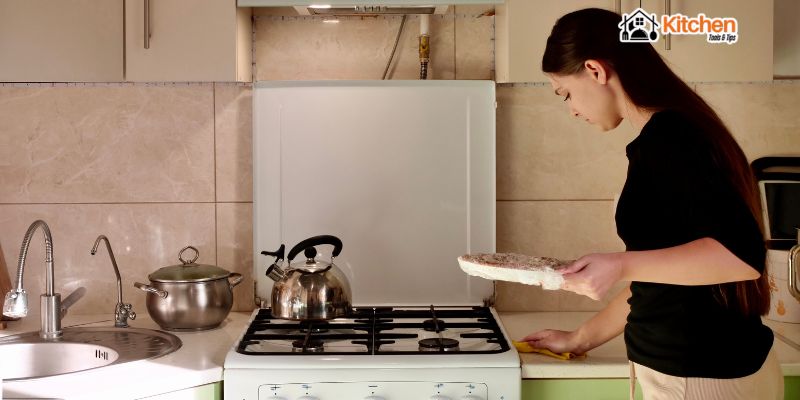
A clean kitchen is a healthy kitchen. Your kitchen tools touch food every day, so keeping them clean protects your family from germs and bacteria. This guide shows you how to clean kitchen tools the right way.
Why Cleaning Kitchen Tools Matters
Dirty kitchen tools spread bacteria like E. coli and salmonella. Food residue builds up over time and creates health risks. Clean tools also last longer and work better.
Regular cleaning saves you money. You won’t need to replace tools as often when you care for them properly. Clean tools also make cooking more enjoyable.
Essential Cleaning Supplies You Need
Keep these basic supplies in your kitchen:
- Dish soap (mild and effective)
- White vinegar (natural disinfectant)
- Baking soda (removes tough stains)
- Soft sponges (gentle on surfaces)
- Scrub brushes (for hard-to-reach spots)
- Microfiber cloths (for drying)
- Hot water (kills most germs)
How to Clean Different Kitchen Tools
Knives
Wash knives by hand immediately after use. Never put them in the dishwasher, as it dulls the blade and damages the handle.
Use warm soapy water and a soft sponge. Wipe from the handle toward the blade tip. Dry right away to prevent rust and water spots.
For stubborn food, use baking soda paste. Mix three parts baking soda with one part water. Scrub gently and rinse well.
Cutting Boards
Plastic cutting boards can go in the dishwasher. Use the top rack for best results.
Wooden cutting boards need hand washing. Scrub with hot soapy water after each use. Never soak wooden boards, as water damages the wood.
Disinfect cutting boards weekly. Spray with white vinegar, wait five minutes, then rinse. Or use a mixture of one tablespoon bleach in one gallon of water.
Remove stains and odors with lemon and salt. Sprinkle coarse salt on the board, scrub with a lemon half, then rinse.
Wooden Utensils
Hand wash wooden spoons and spatulas with warm soapy water. Dry them immediately to prevent cracking.
Deep clean monthly by soaking in white vinegar for 30 minutes. This kills bacteria hiding in the wood grain.
Oil wooden utensils every few months. Use food-grade mineral oil to keep wood from drying out.
Graters and Peelers
These tools trap food in small spaces. Clean them right after use before food dries.
Use a dish brush to scrub between the blades. For cheese graters, try brushing from the inside out to push debris through the holes.
Soak stubborn residue in warm soapy water for 10 minutes. A toothbrush works great for tiny spaces.
Can Openers
Can openers collect food and bacteria in the blade area. Clean them after every use.
Scrub the cutting wheel with an old toothbrush and soapy water. Dry completely to prevent rust.
For deep cleaning, soak the cutting mechanism in white vinegar for 10 minutes. Scrub and dry well.
Measuring Cups and Spoons
Wash measuring tools in hot soapy water or run them through the dishwasher.
Remove sticky residue from honey or syrup with hot water first. Then wash normally.
Stainless steel measures resist stains better than plastic ones. Plastic may hold odors over time.
Daily Cleaning Tips
Clean as you cook. Don’t let dirty tools pile up in the sink.
Use hot water when washing. It cuts through grease better than cold water.
Air dry tools on a clean dish rack. This prevents bacterial growth from damp towels.
Wash hands before and after handling kitchen tools. This reduces cross-contamination.
Deep Cleaning Methods
Set aside time monthly for deep cleaning your kitchen tools.
Vinegar Soak: Fill a basin with equal parts water and white vinegar. Soak tools for 30 minutes to remove mineral deposits and kill bacteria.
Baking Soda Scrub: Make a thick paste for tough stains on metal tools. Let it sit for 15 minutes before scrubbing.
Boiling Method: Boil metal utensils in water for 5 minutes to sterilize them. This works well for tongs, whisks, and metal spatulas.
Dishwasher Deep Clean: Run dishwasher-safe tools through a hot cycle with vinegar in the rinse aid compartment.
Common Mistakes to Avoid
Don’t use harsh abrasives on non-stick surfaces. They damage the coating.
Avoid soaking wooden items. Water causes wood to swell and crack.
Never mix bleach with other cleaners. This creates dangerous fumes.
Don’t put sharp knives loose in the sink. You might cut yourself reaching in.
Skip the dishwasher for cast iron, wood, and fine knives. Hand washing protects these materials.
Don’t air dry wooden tools. Always towel dry them right away.
Storage Tips After Cleaning
Store tools only when completely dry. Moisture leads to mold and bacteria growth.
Keep knives in a knife block or on a magnetic strip. This protects the blades and keeps them sharp.
Hang utensils on hooks when possible. This allows air circulation and prevents drawer clutter.
Stack cutting boards vertically to save space and promote drying.
Store small tools like peelers in a drawer organizer. This keeps them accessible and prevents damage.
Conclusion
Clean kitchen tools make cooking safer and more enjoyable. Follow these simple steps to keep your tools in great shape. Wash tools right after use, deep clean monthly, and store them properly.
A few minutes of cleaning protects your health and extends the life of your kitchen tools. Start with one tool type today and build good habits over time. Your kitchen will thank you.
Remember: clean tools today mean safe meals tomorrow.