
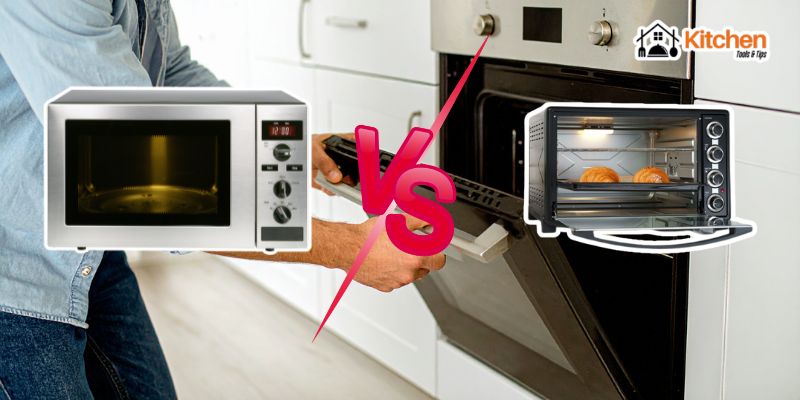
Introduction
You open your fridge and see last night’s pizza. Should you use the microwave or oven to reheat it?
This common kitchen dilemma affects millions of people daily. Both appliances can warm your food, but they work differently. Each has strengths and weaknesses.
This guide helps you choose the right reheating method every time. You’ll save time, improve taste, and avoid soggy or dried-out meals.
Speed and Convenience
Microwave Wins for Speed
The microwave heats food fast. Most meals reheat in 1-3 minutes. It uses electromagnetic waves that make water molecules vibrate, creating heat from inside the food.
Benefits of microwave reheating:
- Ready in minutes
- No preheating needed
- Easy to use
- Great for busy mornings
Oven Takes More Time
A conventional oven or toaster oven needs 5-15 minutes to preheat. Then your food takes another 10-20 minutes to reheat.
Total time: 15-35 minutes for most dishes.
This works fine when you’re not rushed. But it’s impractical for quick lunches or snacks.
Food Texture and Quality
Oven Preserves Crispiness
The oven reheats with dry, surrounding heat. This keeps crispy foods crunchy and delicious.
Foods that taste better in the oven:
- Pizza (crispy crust)
- Fried chicken
- French fries
- Roasted vegetables
- Baked goods
- Casseroles with cheese
The hot air circulation removes moisture from the surface. This creates that fresh-cooked texture you love.
Microwave Can Make Food Soggy
Microwaves heat unevenly. They create steam inside your food, which can make crispy items soggy.
You’ve probably experienced rubbery pizza or limp fries from the microwave. This happens because moisture can’t escape easily.
However, microwaves work well for:
- Soups and stews
- Rice and pasta
- Steamed vegetables
- Saucy dishes
- Beverages
These foods already contain moisture, so steam doesn’t ruin them.
Energy Efficiency
Microwave Uses Less Energy
Microwaves are more energy-efficient. They use 50-80% less electricity than ovens.
Why? They heat only the food, not the air around it. They also work faster, running for shorter periods.
A typical microwave uses 600-1200 watts for 2-3 minutes. That’s roughly 0.03-0.06 kWh per use.
Ovens Consume More Power
Electric ovens use 2000-5000 watts. Even with a 15-minute reheat cycle, they consume 0.5-1.25 kWh.
Toaster ovens are better than full-size ovens. They use 1200-1800 watts and heat smaller spaces.
For your electricity bill and the environment, microwaves win.
Best Foods for Each Method
Choose the Microwave For:
- Soups, stews, and chili
- Coffee and tea
- Oatmeal and porridge
- Pasta with sauce
- Rice dishes
- Steamed vegetables
- Mashed potatoes
- Leftover curry
Choose the Oven For:
- Pizza and flatbreads
- Fried foods (chicken, fish, fries)
- Roasted meats
- Baked pasta dishes
- Quesadillas and tacos
- Pastries and pies
- Bread and rolls
- Anything breaded or crispy
Pro Tip: Use your toaster oven for small portions. It’s faster than a full oven and gives similar results.
Safety Considerations
Microwave Safety Tips
- Use microwave-safe containers only
- Avoid metal and aluminum foil
- Remove tight lids to prevent pressure buildup
- Stir food halfway through for even heating
- Let food stand 1-2 minutes after heating
- Be careful with hot spots
Oven Safety Tips
- Use oven mitts always
- Don’t leave food unattended
- Keep flammable items away
- Ensure proper ventilation
- Use oven-safe dishes only
- Check food temperature with a thermometer
Both methods can reheat food safely when used correctly. Food should reach 165°F (74°C) to kill harmful bacteria.
Cost Comparison
Operating Costs
Using average electricity rates of $0.13 per kWh:
Microwave (3 minutes):
- Cost per use: $0.006 to $0.008
- Monthly (daily use): $0.18 to $0.24
Oven (20 minutes):
- Cost per use: $0.08 to $0.16
- Monthly (daily use): $2.40 to $4.80
The microwave saves you $2-4 per month if you reheat food daily.
Appliance Purchase Price
- Basic microwave: $50-$150
- Mid-range microwave: $150-$300
- Toaster oven: $30-$200
- Full-size oven: Included with range ($500-$2000)
Both appliances last 5-10 years with proper care.
Final Verdict
Use the Microwave When:
- You need food fast
- Reheating liquids or moist dishes
- Heating small portions
- You want to save energy
- Texture isn’t critical
Use the Oven When:
- You want crispy, fresh-tasted food
- Reheating pizza or fried items
- You have extra time
- Serving guests or special occasions
- Heating large portions
The Hybrid Approach
Many people use both methods. Start in the microwave for speed, then finish in the oven or toaster oven for crispiness.
Example: Microwave pizza for 1 minute, then bake at 400°F for 3-5 minutes. You get speed and texture.
Conclusion
Neither the microwave nor oven is better for all situations. Your choice depends on what you’re reheating and your priorities.
The microwave wins for speed, convenience, and energy efficiency. The oven wins for texture, taste, and presentation.
Keep both in your kitchen. Learn which foods work best with each method. You’ll enjoy better-tasting leftovers and waste less food.
Now you can make the smart choice every time you reheat a meal.