
Choosing the right mixing bowl can make your time in the kitchen easier and more enjoyable. The material matters more than you might think. Each type has strengths and weaknesses that affect how you cook and bake.
This guide compares five popular mixing bowl materials. You’ll learn which works best for your cooking style and needs.
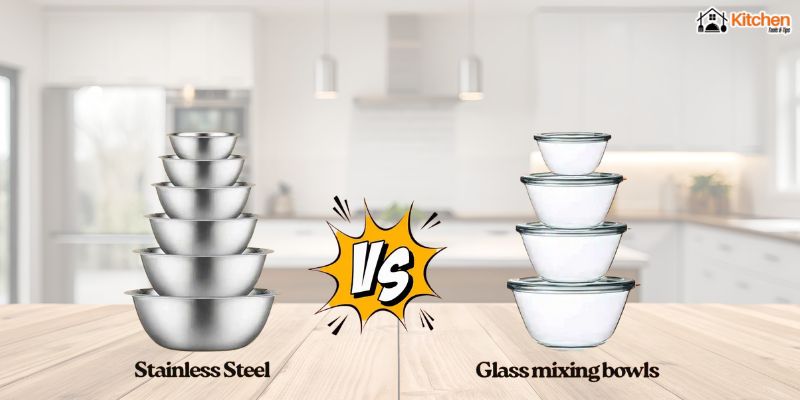
Stainless Steel Mixing Bowls
Stainless steel is the most popular choice for professional chefs and home cooks.
Pros:
- Very durable and won’t break if dropped
- Lightweight and easy to handle
- Won’t stain or absorb odors
- Safe for all temperatures
- Dishwasher safe
- Affordable
Cons:
- Not microwave safe
- Can’t see through the bowl
- May dent if hit hard
- Poor heat insulation
Best For: Whipping egg whites, mixing dough, general food prep, marinating meat
Stainless steel bowls are workhorses in any kitchen. They last for years and handle almost any task. The smooth surface makes them easy to clean.
Glass Mixing Bowls
Glass bowls, often made from tempered glass or borosilicate glass, offer clarity and versatility.
Pros:
- See ingredients clearly
- Microwave and oven safe
- Won’t absorb stains or smells
- Easy to clean
- Non-reactive with acidic foods
- Elegant appearance
Cons:
- Heavy to lift when full
- Can break if dropped
- Takes longer to chill
- More expensive than plastic
Best For: Baking, melting chocolate, mixing salad dressings, microwave cooking
Glass bowls work great when you need to see your ingredients mix together. They’re perfect for recipes that require precise measurements or color changes.
Ceramic Mixing Bowls
Ceramic bowls add style to your kitchen while serving practical needs.
Pros:
- Beautiful designs and colors
- Heavy base prevents sliding
- Retains temperature well
- Microwave safe (most types)
- Great for serving
Cons:
- Heavy and bulky
- Can chip or crack
- Usually more expensive
- Not all are dishwasher safe
Best For: Bread rising, serving salads, mixing and serving combined, holding cold ingredients
Ceramic bowls often double as serving dishes. They keep dough warm for rising and salads cold for serving.
Plastic Mixing Bowls
Plastic bowls are budget-friendly and lightweight options.
Pros:
- Very affordable
- Won’t break easily
- Lightweight
- Come in many colors
- Good for kids
Cons:
- Stain easily (especially tomato-based foods)
- Absorb odors over time
- Scratch easily
- Not oven safe
- May contain BPA (check labels)
- Less durable long-term
Best For: Casual mixing, outdoor cooking, kid-friendly baking, budget kitchens
Look for BPA-free plastic bowls. These work well for everyday tasks but may need replacing every few years.
Silicone Mixing Bowls
Silicone is the newest material in mixing bowl design.
Pros:
- Completely flexible
- Collapses for easy storage
- Non-slip base
- Microwave safe
- Easy to pour from
- Won’t break
Cons:
- Can retain some odors
- Not ideal for heavy mixing
- More expensive
- Limited size options
Best For: Small kitchens, camping, travel, light mixing tasks
Silicone bowls save space in cramped kitchens. They fold flat when not in use.
Quick Comparison Chart
| Material | Durability | Price | Microwave Safe | Oven Safe | Weight |
|---|---|---|---|---|---|
| Stainless Steel | Excellent | Low-Medium | No | Yes | Light |
| Glass | Good | Medium-High | Yes | Yes | Heavy |
| Ceramic | Good | Medium-High | Most | Some | Heavy |
| Plastic | Fair | Low | Some | No | Light |
| Silicone | Good | Medium | Yes | Yes | Light |
How to Choose the Right Material
Consider these factors when selecting mixing bowls:
Your cooking style: Frequent bakers benefit from glass or stainless steel. Casual cooks may prefer plastic.
Storage space: Small kitchens work well with stackable stainless steel or collapsible silicone.
Budget: Plastic and stainless steel offer the best value. Glass and ceramic cost more.
Usage frequency: Daily use demands durable materials like stainless steel or glass.
Special needs: Microwave users need glass, ceramic, or silicone. People with arthritis prefer lightweight plastic or stainless steel.
Safety concerns: Choose BPA-free plastic or stick with glass, stainless steel, or ceramic.
Most home cooks benefit from owning multiple types. A set of stainless steel bowls for general use plus a few glass bowls for microwave tasks covers most needs.
Final Thoughts
The best mixing bowl material depends on your specific needs. Stainless steel offers the best overall value and versatility. Glass works perfectly for bakers who need oven and microwave safety. Ceramic adds beauty but comes with extra weight. Plastic suits budget-conscious cooks. Silicone saves space.
Consider buying a variety. Different materials excel at different tasks. A well-equipped kitchen has at least two types of mixing bowls ready for any recipe.
Start with a stainless steel set as your foundation. Add glass or ceramic bowls based on your cooking habits. This combination handles almost any kitchen challenge you’ll face.