
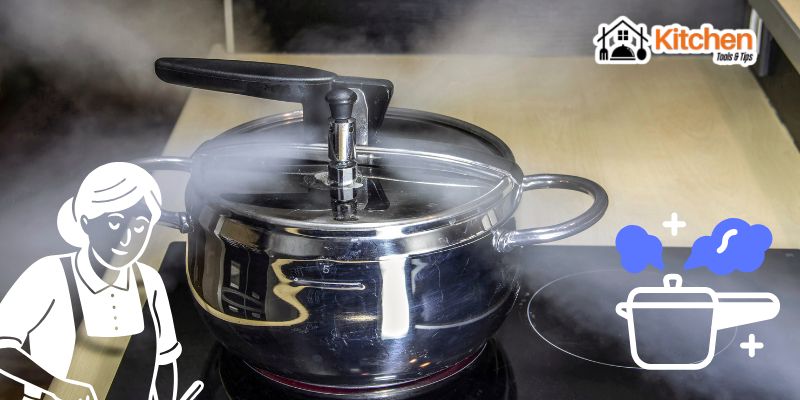
Pressure cookers save time and energy in the kitchen. They cook food up to 70% faster than traditional methods. But you must follow safety rules to prevent accidents.
Modern pressure cookers are much safer than older models. They have multiple safety features built in. Still, you need to understand how to use them correctly.
This guide covers everything you need to know. You’ll learn proper techniques, safety rules, and maintenance tips. Let’s keep your kitchen safe while you enjoy fast, delicious meals.
Understanding How Pressure Cookers Work
Pressure cookers trap steam inside a sealed pot. The steam builds pressure and raises the boiling point of water. Food cooks faster at these higher temperatures.
The lid locks in place during cooking. A rubber gasket creates an airtight seal. Pressure valves release excess steam to maintain safe levels.
Most modern cookers have three safety systems. These include pressure regulators, locking lids, and backup vents. These features prevent dangerous pressure buildup.
Before You Start Cooking
Read the Manual
Every pressure cooker is different. Read your manual from cover to cover. Keep it handy for reference.
Inspect Your Cooker
Check these parts before each use:
- Rubber gasket for cracks or wear
- Pressure valves for blockages
- Lid and rim for damage
- Safety mechanisms work properly
Replace worn gaskets immediately. A damaged gasket can cause steam leaks or seal failure.
Choose the Right Size
Never fill your pressure cooker more than two-thirds full. For foods that expand, like beans or grains, fill only halfway. Overfilling blocks vents and causes dangerous pressure buildup.
Essential Safety Rules
Always Use Liquid
Pressure cookers need liquid to create steam. Use at least one cup of water or broth. Without liquid, the cooker can overheat and damage the pot.
Release Pressure Safely
Learn three pressure release methods:
- Natural release: Let pressure drop on its own (10-30 minutes)
- Quick release: Turn the valve to release steam immediately
- Cold water release: Run cold water over the lid (stovetop models only)
Never force the lid open. Wait until the pressure indicator drops completely. This step prevents hot liquid from spraying out.
Keep Vents Clear
Food particles can clog pressure valves. Clean vents after every use. Check valves before cooking. Blocked vents cause dangerous pressure buildup.
Stand Back During Release
Hot steam shoots straight up during quick release. Keep your face and hands away. Use a long spoon to turn the valve if needed.
Don’t Open Under Pressure
Modern cookers have lid locks that prevent opening. Never try to force or bypass these locks. The pressure inside can cause severe burns.
Common Mistakes to Avoid
Overfilling the Cooker
This is the most common error. Too much food blocks vents and causes foam buildup. Leave proper headspace every time.
Skipping the Liquid
Some people forget to add water. This damages the cooker and ruins your food. Always double-check you’ve added enough liquid.
Using Damaged Parts
Worn gaskets leak steam and reduce efficiency. Bent rims prevent proper sealing. Replace damaged parts immediately.
Opening Too Soon
Rushing the pressure release creates a mess. Hot food can splatter everywhere. Be patient and follow proper release methods.
Ignoring Strange Sounds
Hissing, whistling, or rattling sounds need attention. These noises signal problems with pressure regulation. Stop cooking and check your cooker.
Maintenance and Care
After Every Use
Clean these parts thoroughly:
- Lid and handles
- Rubber gasket (remove and wash separately)
- Pressure valves and vents
- Inner pot and rim
Dry all parts completely before storing. Moisture can cause mold or rust.
Monthly Checks
Remove the gasket and inspect for cracks. Check valves by holding them up to light. You should see through clean vents. Test the lid lock mechanism.
Replace Parts Regularly
Gaskets need replacement every 12-18 months. Heavy users may need replacements sooner. Keep spare gaskets on hand.
Store Properly
Never store the lid locked in place. This compresses the gasket and shortens its life. Place the lid upside down on the pot or store separately.
Emergency Procedures
If Steam Leaks from the Rim
Turn off the heat immediately. Let pressure drop naturally. Check the gasket and rim for damage after cooling.
If the Pressure Valve Clogs
Never try to clear it while cooking. Turn off heat and allow natural pressure release. Clean the valve thoroughly before using again.
If You Can’t Open the Lid
Pressure remains inside. Don’t force it. Try these steps:
- Make sure all pressure indicators show it’s safe
- Run cold water over the lid (stovetop only)
- Check if food residue is blocking the seal
Contact the manufacturer if problems continue.
In Case of Burns
Run cool water over the burn for 10-15 minutes. Cover with a clean cloth. Seek medical help for serious burns.
FAQ Section
Q: Can pressure cookers explode?
Modern pressure cookers have multiple safety features that prevent explosions. Follow the manual instructions and don’t overfill. Keep vents clean and replace worn parts.
Q: How often should I replace the gasket?
Replace the gasket every 12-18 months with regular use. Replace sooner if you notice cracks, wear, or steam leaks.
Q: Can I use my pressure cooker on an induction cooktop?
Check your manual. Most stainless steel pressure cookers work on induction. Aluminum cookers need a magnetic base plate.
Q: What foods should I avoid cooking under pressure?
Avoid pasta, oatmeal, and cranberries. These foam excessively. Also skip thickened sauces and breaded foods. They don’t cook well under pressure.
Q: Is it safe to cook frozen meat in a pressure cooker?
Yes, pressure cookers handle frozen meat safely. Add extra cooking time. Make sure the meat reaches safe internal temperatures.
Q: How do I know if my pressure cooker is working correctly?
It should build pressure in 10-15 minutes. The indicator should rise smoothly. You’ll hear a gentle hissing sound. No steam should leak from the rim.