
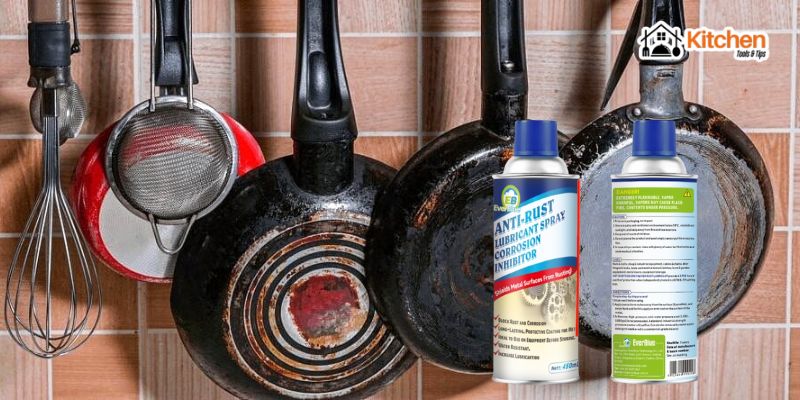
Rust can ruin your favorite kitchen knives, pans, and utensils. But you can stop it before it starts.
Kitchen tools face constant moisture exposure. Water, humidity, and food acids create the perfect environment for rust. The good news? A few simple habits will keep your tools looking new for years.
Why Kitchen Tools Rust
Rust forms when iron or steel reacts with oxygen and water. Most kitchen tools contain these metals. Your knives, cast iron pans, graters, and can openers are all at risk.
Kitchens have everything rust needs: water from washing, steam from cooking, and humid air. Even a small water droplet left overnight can start corrosion.
Dry Your Tools Immediately After Washing
This is the most important step.
Never let your kitchen tools air dry. Water sitting on metal creates rust spots within hours.
Here’s what to do:
- Wash tools with warm soapy water
- Dry them right away with a clean towel
- Pay extra attention to joints and crevices
- Wipe down handles and hidden areas
Carbon steel knives need immediate drying. Even stainless steel can rust if water pools in one spot.
Use Proper Storage Methods
How you store tools matters as much as cleaning them.
Keep your kitchen tools in dry places. Avoid storing them near the sink or dishwasher where moisture builds up.
Best storage practices:
- Use knife blocks or magnetic strips for knives
- Hang utensils on hooks to promote air flow
- Store cast iron pans in dry cabinets
- Place paper towels between stacked pans
- Keep tools away from steamy areas
Never store damp tools. Even slightly wet utensils will rust in closed drawers.
Apply Protective Coatings
A thin layer of oil acts as a barrier against moisture.
For carbon steel knives and cast iron cookware, apply food-grade mineral oil after each use. This creates a protective seal that blocks oxygen and water.
How to oil your tools:
- Clean and dry the tool completely
- Apply a thin coat of mineral oil or coconut oil
- Wipe off excess with a clean cloth
- Reapply monthly for items used less often
Cutting boards near metal tools can absorb moisture. Keep them separate or use oil on both.
Avoid the Dishwasher for Certain Items
Dishwashers expose tools to extreme heat and prolonged moisture.
High-quality knives, cast iron pans, and carbon steel tools should never go in the dishwasher. The harsh detergents strip protective coatings. The long drying cycle leaves metal wet for extended periods.
Hand wash these items:
- Chef knives and specialty blades
- Cast iron skillets and Dutch ovens
- Carbon steel woks and pans
- Graters and zesters with exposed metal
- Can openers and other tools with joints
Stainless steel items are usually dishwasher safe. But hand washing and immediate drying still works better for rust prevention.
Control Kitchen Humidity
High humidity speeds up rust formation.
Kitchens naturally have more moisture than other rooms. Cooking, boiling water, and washing dishes all add humidity to the air.
Ways to reduce humidity:
- Use exhaust fans when cooking
- Open windows for ventilation
- Run a dehumidifier in humid climates
- Fix any leaking pipes or faucets
- Wipe down wet counters regularly
Silverware in drawers can rust if humidity stays high. Small silica gel packets in drawers absorb excess moisture.
Regular Maintenance and Inspection
Check your tools weekly for early rust signs.
Small rust spots are easy to remove. Large patches of corrosion damage metal permanently.
Look for:
- Orange or brown discoloration
- Rough patches on smooth surfaces
- Pitting or small holes
- Flaking metal pieces
Inspect knife tangs, pan handles, and anywhere moisture can hide. Clean and oil these areas if you spot any issues.
Sharpen knives regularly. This removes the thin outer layer where rust often starts.
Quick Fixes for Early Rust Spots
Caught rust early? You can remove it easily.
For light rust:
- Make a paste with baking soda and water
- Rub it on the rust spot with a soft cloth
- Rinse and dry immediately
- Apply oil to prevent new rust
For stubborn rust:
- Use white vinegar on a cloth
- Gently scrub the rusted area
- Rinse well with water
- Dry completely and oil
Bar Keeper’s Friend works great on stainless steel. But avoid harsh abrasives on non-stick coatings or knife edges.
Protect Your Investment
Good kitchen tools cost money. Proper care makes them last decades instead of years.
Start with one habit: dry everything immediately after washing. This single step prevents most rust problems.
Add protective oil to your routine. Store tools in dry spots. Check them regularly for problems.
Your knives will stay sharp. Your pans will cook evenly. Your utensils will look professional.
Rust prevention takes just a few extra seconds per day. Those seconds save you from buying replacement tools over and over.
Keep your kitchen tools dry, oiled, and properly stored. They’ll serve you well for a lifetime.