
Introduction: Why Safe Baking Materials Matter
You pick the freshest eggs. You measure the flour carefully. You follow every step in the recipe.
But here is something most home bakers never think about.
The tools you bake with matter just as much as the ingredients you use. The material of your cake pan, baking tray, and baking mat can directly affect what ends up in your food.
Some materials are completely non toxic and stable at high heat. Other
s break down in the oven and release harmful chemicals into your baked goods. This happens silently. You cannot see it, smell it, or taste it.
Knowing which materials are safe gives you real confidence in the kitchen. It protects your family. It improves your results. And it helps you build a baking set that lasts for years.
This guide covers everything clearly and simply. No confusing science. Just practical, trustworthy information for every home baker.
Why Material Choice Affects Your Food and Health
Every baking tool touches your food directly. The material it is made from interacts with heat, moisture, and the food itself.
This interaction happens in two ways.
The first is cooking performance. Different materials conduct heat differently. A good cake pan spreads heat evenly. A poor one creates hot spots that burn one side of your cake while the other side stays raw.
The second is food safety. Safe materials stay stable under heat. Unsafe materials can break down. When they break down, tiny particles or chemicals can transfer into your food. You cannot detect this with your senses.
This is why the baker’s secret to great results is not just skill or recipes. It is starting with cookware and baking tools made from the right materials.
The good news is that safe options are widely available. Once you know what to look for, choosing the right tools becomes easy.
The Safest Materials for Baking Tools
Here are the best materials trusted by professional bakers and food safety experts.
Stainless Steel
Stainless steel is one of the safest choices for any baking tool. It does not react with food. It does not rust under normal conditions. It holds up well at high oven temperatures.
It works perfectly for cake pans, baking trays, cookie cutters, and kitchen utensils. Look for food-grade stainless steel labeled 18/8 or 18/10. These grades have the right balance of chromium and nickel for strength and safety.
Stainless steel tools are easy to clean and built to last for years.
Cast Iron
Cast iron is heavy, but it is one of the most reliable baking materials available. It distributes heat evenly and holds it consistently throughout the bake.
It contains no coatings or synthetic materials. A well-seasoned cast iron surface becomes naturally non-stick over time. It works well for baking molds, bread pans, and deep cake molds that go into a very hot oven.
Cast iron adds small trace amounts of iron to food during cooking. For most people, this is harmless. Those with medical concerns about iron intake should check with a doctor.
Ceramic
Ceramic is non toxic, oven-safe, and visually appealing. It heats evenly and retains warmth after coming out of the oven. It does not react with acidic foods like citrus or berries.
It is a great choice for cake pans, baking molds, and decorative baking dishes. Always buy ceramic that is labeled oven-safe and lead-free. Some decorative ceramics contain lead-based glazes. These are not safe for food contact and should never be used for baking.
Glass
Glass is one of the most inert materials in the kitchen. It does not absorb flavors. It does not react with any type of food. It has no coatings that can chip or degrade over time.
Borosilicate glass handles heat changes better than standard glass. It is safe for oven use and easy to monitor during baking because you can see the bottom browning through the sides.
Glass baking dishes are ideal for brownies, casseroles, and fruit cakes.
Food-Grade Silicone
Food-grade silicone is flexible, non-stick, and completely non toxic. It is oven-safe up to around 450°F or 230°C. It does not absorb food smells or release any chemicals during baking.
It is used for baking mats, baking molds, cake molds, and flexible cake pans. It is also popular in kids baking sets because it is soft and safe for small hands to use.
Always buy silicone labeled 100% food-grade. Low-quality silicone may contain fillers that are not safe at high heat. To test purity, pinch the silicone firmly. If white appears through the color, it likely contains fillers. Pure food-grade silicone holds its color when pinched.
Unbleached Parchment Paper
Unbleached parchment paper is a simple, safe, and affordable liner for your baking tray or cake pan. It prevents food from sticking without any chemical coating.
It is heat-resistant up to around 425°F or 218°C. Unbleached is always the better choice. Bleached parchment may contain trace chlorine compounds that can transfer to food at very high temperatures.
Natural Rattan and Wood
Natural rattan is the traditional material for a bread proofing basket. It is completely natural, chemical-free, and breathable. It helps shape the dough and draws out surface moisture during the proofing process.
Untreated wood is also safe for kitchen utensils used during baking. It does not scratch cookware surfaces and does not react with heat or food.
Materials to Avoid in Baking Tools
Some materials are common in cheap baking tools. But they carry risks you should know about.
PTFE and PFOA coatings. Traditional non-stick coatings contain PTFE. Above 500°F or 260°C, PTFE can release toxic fumes. PFOA was once used to manufacture these coatings and is linked to health concerns. Many brands have moved away from PFOA, but cheap imports may still contain it. If you use non-stick tools, never exceed the recommended temperature and replace them when scratched.
Uncoated aluminum. Aluminum reacts with acidic foods. This reaction can leave a metallic taste and introduce aluminum into your food. Anodized aluminum is safer because it has a sealed surface layer that prevents this reaction.
Plastic at high heat. Most plastics are not oven-safe. They melt, warp, and can release BPA and other harmful chemicals into food when heated. Never put plastic tools in the oven unless they are specifically and clearly labeled oven-safe.
Unknown non-stick coatings. Very cheap cake pans and baking trays often carry mystery coatings. These chip easily and may contain unsafe compounds. Always choose baking tools from brands that clearly state the coating is PFOA-free and PTFE-free.
Safe Materials for Specific Baking Tools
Cake Pan and Cake Mold
Choose stainless steel, ceramic, or glass for your cake pan or cake mold. These are all non-reactive and safe at standard baking temperatures. If you prefer non-stick, buy a PFOA-free and PTFE-free option and protect the surface with silicone or wooden tools.
Baking Tray
Stainless steel and anodized aluminum are the best choices for a baking tray. They handle heat well and do not warp in the oven. Line your tray with unbleached parchment paper for even easier cleanup and extra surface protection.
Baking Mat
Always choose a baking mat made from 100% food-grade silicone. It sits directly under your food, so material quality is critical here. A good silicone baking mat is reusable, non-stick, and lasts for years. It replaces the need for parchment paper in most baking tasks.
Cookie Cutters
Stainless steel cookie cutters are the gold standard. They give sharp, clean edges and last a lifetime. For kids baking, BPA-free plastic cookie cutters with smooth edges are also a safe choice. Never use any cookie cutter near a hot oven unless it is heat-rated.
Bread Proofing Basket
A natural, untreated rattan bread proofing basket is completely safe. It contains no varnishes, no coatings, and no synthetic materials. Dust it with flour before each use and let it air dry fully after washing to prevent mold.
Baking Molds
Food-grade silicone, ceramic, and stainless steel are all excellent for baking molds. Silicone molds are flexible and easy to release. Ceramic molds retain heat and give even browning. Stainless steel molds are tough and durable. Avoid thin aluminum or unknown plastic molds from very cheap baking sets.
Kitchen Utensils
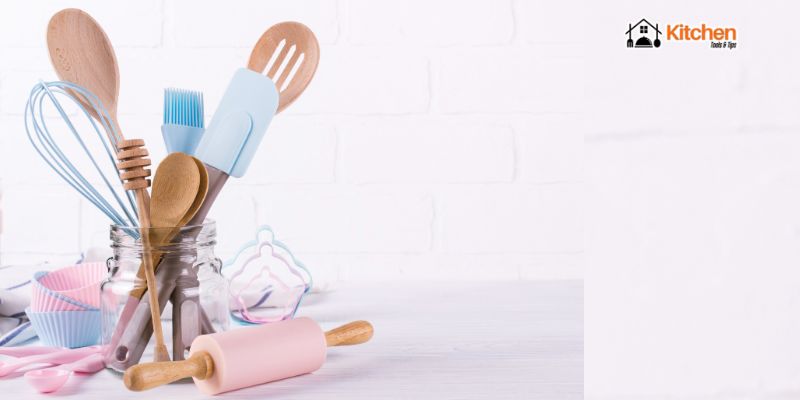
For kitchen utensils used in baking, stick to food-grade silicone, stainless steel, or natural wood. Silicone spatulas and scrapers are heat-resistant and safe on all surfaces. Stainless steel whisks are strong and easy to clean. Natural wood spoons are gentle on cookware and completely chemical-free.
Safety Measures Every Baker Should Follow
Safe materials are the foundation. These safety measures build on top of that foundation.
Always check temperature limits. Every baking tool has a maximum safe temperature. Read the label before using any new piece of cookware or bakeware in the oven.
Inspect tools before every use. Check for chips, cracks, peeling coatings, or warping. A damaged tool is no longer safe. Replace it right away.
Use silicone or wooden tools on non-stick surfaces. Metal tools scratch non-stick coatings. Scratched coatings can release particles into food. Protect every non-stick surface with the right tools.
Wash all new tools before first use. New baking tools can carry manufacturing residues on the surface. Always wash thoroughly with warm soapy water before baking with a new tool for the first time.
Store tools carefully. Place a felt protector or paper towel between stacked cake pans and baking trays. This prevents surface scratches that lead to damage over time.
Safe Baking Tools for Kids Baking
Kids baking is a joy. It teaches patience, creativity, and basic kitchen skills. But safety is the first priority whenever children are involved in the kitchen.
Here is what to look for when choosing a safe baking set for kids.
Choose BPA-free tools. Any plastic items in a kids baking set must be clearly labeled BPA-free. BPA is a chemical found in some plastics that is not safe for children.
Use food-grade silicone. Silicone cookie cutters, baking molds, and spatulas are soft, safe, and easy for small hands to manage. Food-grade silicone is the best material for a kids baking set.
Avoid sharp edges. Stainless steel tools are safe for adults but some edges are sharp for young children. Choose sets designed for kids with rounded edges and comfortable grips.
Skip very cheap sets. Toy-style baking sets sold at very low prices may not meet food safety standards. Always buy from a brand that clearly confirms materials are non toxic and food-safe.
Always supervise oven use. No tool makes oven use safe for young children alone. Handle all hot baking trays and cake pans yourself. Let children help with mixing, shaping, and decorating instead.
The real baker’s secret for kids baking is this. Safe tools plus close supervision equals a happy and safe baking session.
How to Choose a Safe Baking Set
A complete baking set is a great investment. But quality varies enormously between brands. Here is how to choose well.
Look for clearly listed materials. A trustworthy baking set tells you exactly what every tool is made from. No listed materials is a red flag.
Check for safety certifications. Look for FDA-approved, LFGB-certified, or EU food safety compliant labels. These confirm that the materials have been independently tested for food safety.
Read verified buyer reviews. Look for reviews that mention real-world durability. Avoid sets where buyers mention peeling coatings, unusual smells during baking, or tools that warp in the oven.
Choose quality over quantity. Five well-made tools outperform ten poor-quality ones every time. Focus on the materials and construction of each piece before considering the total number of items in the set.
Match the set to how you actually bake. A bread baker needs different tools than someone focused on cake decorating. Build or buy a set around your real baking habits.
Tips for Maintaining Safe Baking Tools
Hand wash non-stick pans. Dishwashers are too harsh for non-stick surfaces. Hand washing extends the life of your non-stick cake pans and baking trays.
Season cast iron regularly. Rub a thin layer of oil on the surface of your cast iron baking molds and heat them in the oven at low temperature. This maintains the protective layer and prevents rust.
Air dry silicone tools fully. After washing, let all silicone tools air dry completely before storing. Trapped moisture in enclosed storage can cause mildew.
Replace damaged tools immediately. A chipped cake mold, a scratched baking tray, or a cracked baking mat must be replaced right away. Damaged surfaces are no longer food-safe.
Care for your bread proofing basket properly. Never soak a rattan basket in water. Brush out flour residue after each use. Let it dry fully in the open air before storing.
Common Mistakes to Avoid
Buying without checking materials. A low price does not mean safe. Always check what the tool is made from before you buy.
Overheating non-stick cookware. This is the most common and most dangerous mistake with non-stick tools. Always stay within the recommended temperature range.
Continuing to use damaged tools. Many bakers ignore chips and scratches. This is a genuine food safety risk. Damaged tools should always be replaced promptly.
Using unsafe tools for kids baking. Children are more vulnerable to harmful chemicals than adults. Always choose a proper, certified, non toxic kids baking set.
Skipping the pre-wash on new tools. Manufacturing residues on new baking tools are invisible. Always wash new tools before their very first use.
FAQs
What is the safest material for a cake pan? Stainless steel, ceramic, and glass are the safest options. They are non-reactive and stable at baking temperatures. If you prefer non-stick, choose a PFOA-free and PTFE-free pan from a reputable brand.
Is food-grade silicone safe for baking molds and baking mats? Yes. Food-grade silicone is non toxic, heat-resistant, and completely safe for baking molds and baking mats. Always check that the product is labeled 100% food-grade before buying.
Are non-stick baking trays safe? They are safe when used correctly. Never overheat them. Never use metal tools on the surface. Replace them the moment the coating chips or peels. Choose trays clearly labeled PFOA-free.
What materials are safe for a kids baking set? BPA-free plastic, food-grade silicone, and rounded stainless steel are all safe for kids. Always supervise children near heat and handle hot baking tools yourself.
Is a rattan bread proofing basket safe for dough? Yes. Natural, untreated rattan is completely safe for a bread proofing basket. Dust it with flour before use and allow it to dry fully after cleaning.
How do I know if my cookie cutters are food-safe? Stainless steel cookie cutters are always food-safe. For plastic, look for BPA-free labeling. Avoid any cookie cutter with a painted finish, as paint can chip into dough.
How often should I replace baking tools? Replace any tool that shows damage. Chipped ceramic, peeling non-stick, cracked silicone, and rusted metal are all signs to replace immediately. Well-maintained, undamaged tools can last for many years.
Final Thoughts
Safe baking starts with the right materials. Every tool that touches your food matters.
Choose stainless steel, food-grade silicone, ceramic, or glass for your core baking tools. Avoid unknown coatings, uncoated aluminum, and cheap plastic. Inspect your tools regularly. Follow basic safety measures every time you bake.
Whether you are shopping for a full baking set, replacing an old cake pan, or choosing safe tools for kids baking, you now have the knowledge to make smart decisions.
The baker’s secret has always been this. Great results come from safe, quality tools used with care and confidence.
Your family deserves food made with the best materials available. Now you know exactly what those materials are.
Happy baking.