
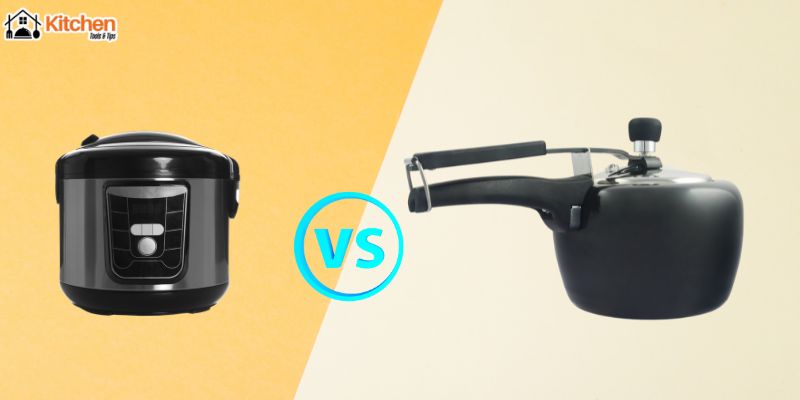
Choosing between a slow cooker and a pressure cooker can feel confusing. Both appliances help you make delicious meals with less effort. But they work in completely different ways.
This guide explains the differences between these two popular kitchen tools. You’ll learn which one fits your lifestyle and cooking needs.
What Is a Slow Cooker?
A slow cooker is an electric appliance that cooks food at low temperatures over many hours. Most people know it by the brand name Crock-Pot.
You add ingredients in the morning, set the temperature, and come home to a ready meal. The cooking process takes 4 to 10 hours depending on your recipe.
Slow cookers use moist heat to break down tough meats and blend flavors. They’re perfect for stews, soups, roasts, and casseroles.
What Is a Pressure Cooker?
A pressure cooker cooks food quickly using high-pressure steam. The sealed pot traps steam inside, which raises the temperature above boiling point.
This process cooks food up to 70% faster than traditional methods. A pot roast that takes 8 hours in a slow cooker needs only 45 minutes in a pressure cooker.
Modern electric pressure cookers like the Instant Pot have safety features that prevent accidents. They also offer multiple cooking functions in one device.
Key Differences Between Slow Cookers and Pressure Cookers
Cooking Time
Slow cookers need 4 to 10 hours. Pressure cookers finish meals in 15 to 60 minutes.
Temperature
Slow cookers operate at 190°F to 210°F. Pressure cookers reach up to 250°F due to pressurized steam.
Texture
Slow cooking makes meat fall-apart tender and develops deep flavors. Pressure cooking keeps vegetables firmer and retains more nutrients.
Energy Use
Slow cookers use less electricity per hour but run longer. Pressure cookers use more power but cook faster, often saving energy overall.
Supervision
Slow cookers let you leave home while cooking. Pressure cookers need you nearby for safety checks and quick release.
Pros and Cons of Slow Cookers
Pros:
- Set it and forget it convenience
- Great for meal prep and batch cooking
- Makes tough cuts of meat incredibly tender
- Develops rich, layered flavors
- Safe to leave unattended
- Budget-friendly price ($20 to $80)
- Simple operation with few buttons
Cons:
- Requires advance planning
- Takes many hours to cook
- Can overcook delicate foods
- Limited cooking functions
- Uses counter space all day
- Not ideal for quick weeknight dinners
Pros and Cons of Pressure Cookers
Pros:
- Cooks meals in a fraction of the time
- Saves energy with shorter cooking
- Retains more vitamins and nutrients
- Multi-functional (sauté, steam, slow cook)
- Perfect for last-minute meals
- Makes beans and grains quickly
- Great for cooking frozen meat
Cons:
- Higher upfront cost ($60 to $200)
- Steeper learning curve
- Requires attention during cooking
- Can be intimidating for beginners
- Louder with steam release
- More parts to clean
- Mistakes happen faster
Which One Should You Choose?
Choose a slow cooker if you:
- Work long hours and want dinner ready when you return
- Enjoy meal prepping on weekends
- Cook soups, stews, and roasts regularly
- Want a simple, foolproof appliance
- Have a tight budget
- Don’t mind planning meals ahead
Choose a pressure cooker if you:
- Need quick weeknight dinners
- Forget to plan meals in advance
- Want one appliance for multiple functions
- Cook rice, beans, and grains often
- Value nutrient retention
- Don’t mind a learning period
- Have extra budget for a quality appliance
Consider both if you:
- Love cooking and have kitchen space
- Want flexibility for different situations
- Feed a large family regularly
- Enjoy trying new recipes
Many home cooks find that owning both appliances gives them the most options. You can use the slow cooker on busy weekdays and the pressure cooker when time is tight.
The Instant Pot Factor
The Instant Pot combines both functions in one device. It works as a pressure cooker, slow cooker, rice cooker, steamer, and more.
This multi-cooker offers versatility without taking up extra space. However, it doesn’t perform slow cooking quite as well as a dedicated slow cooker.
If you can only buy one appliance, an Instant Pot or similar multi-cooker gives you more cooking options.
Conclusion
Both slow cookers and pressure cookers make home cooking easier. Your choice depends on your schedule, cooking style, and priorities.
Slow cookers win for convenience and hands-off cooking. They’re perfect when you have time to plan ahead.
Pressure cookers excel at speed and versatility. They’re ideal for busy people who need quick solutions.
Consider your daily routine and favorite recipes. Think about whether you value time savings or set-it-and-forget-it convenience more.
Either appliance will help you create delicious, homemade meals with less stress. Choose the one that matches how you actually cook, not how you wish you cooked..