
What is a Banneton Basket? Your Complete Guide to Better Bread
Have you ever wondered how bakeries make bread with those beautiful spiral patterns? The secret lies in a simple tool called a banneton basket. This traditional bread baking tool can transform your homemade loaves from flat and dense to tall and airy.
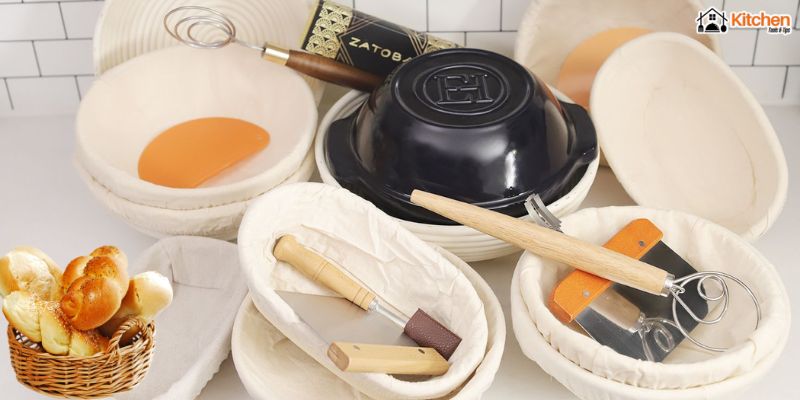
A banneton basket is a proofing basket used to support bread dough during its final rise. These baskets help shape your dough and create a better structure. They also give your bread that artisan look you see in fancy bakeries.
Bakers have used these baskets for hundreds of years. The tradition started in France, where bakers in places like Saint Germain perfected the art of bread making. Today, home bakers around the world use them to make perfect loaves.
Let me show you everything you need to know about banneton baskets. You’ll learn what they are, how they work, and why they make such a big difference in bread baking.
What Exactly is a Banneton Basket?
A banneton basket is a special container for bread dough. Think of it as a bed where your dough rests and rises before baking. But it’s not just any container.
Most banneton baskets are made from natural cane or rattan. These materials are woven into a sturdy basket shape. The weaving creates ridges inside the basket. These ridges press gently into your dough as it rises.
The result? Your bread gets those gorgeous spiral lines you see on artisan loaves.
A cane banneton breathes, which is important. Regular bowls trap moisture. Too much moisture makes dough sticky and hard to work with. A banneton basket lets excess moisture escape while keeping enough in for a good rise.
You’ll find two main shapes. Round baskets work great for boules (round loaves). An oval banneton sourdough basket is perfect for batard-shaped loaves. Both shapes do the same job. They just create different loaf shapes.
These proofing baskets come in many sizes too. Small ones hold dough for a one-pound loaf. Large ones can handle three pounds or more.
How Does a Banneton Basket Work?
The magic happens during proofing. Proofing is the final rise your dough takes before baking. This step is crucial for good bread.
When you place your shaped dough in a bread banneton, several things happen at once.
First, the basket supports the dough. Wet dough, especially sourdough, can spread out like pancake batter. The basket walls hold it up. Your dough rises up instead of out. This creates a taller, better-shaped loaf.
Second, the basket absorbs some moisture from the dough surface. This creates a thin, dry skin on the outside. That skin becomes an amazing crust when you bake the bread. The crust turns golden and crispy.
Third, the ridges in the basket press into the dough. When you flip the dough out, those ridges become the pretty patterns you see. Each basket leaves its own unique mark.
The process works especially well for sourdough bread. A sourdough starter makes dough that’s often wetter and stickier than regular bread dough. A sourdough basket gives this wet dough the support it needs.
Without a banneton, your dough might spread flat during proofing. With a banneton, it rises tall and proud.
Types of Banneton Baskets You Can Choose
Walking into a baking store, you’ll see many options. Let me break them down for you.
Traditional Cane Baskets
These are the classic choice. Made from natural cane or rattan, they last for years. The tight weave creates fine spiral patterns. Most professional bakers use cane banneton baskets.
Oval vs. Round
An oval banneton sourdough basket makes football-shaped loaves. These look beautiful and slice well for sandwiches. Round baskets create dome-shaped loaves. Both work perfectly. Pick based on the loaf shape you want.
Different Sizes
Small baskets (7-8 inches) hold about 500 grams of dough. Medium baskets (9-10 inches) hold 750-1000 grams. Large baskets (11+ inches) can hold 1500 grams or more. Start with a medium size. It’s the most versatile.
Lined Baskets
Some proofing baskets come with cloth liners. The liner sits inside the basket. It makes cleanup easier. But you lose the spiral pattern. I prefer unlined baskets for the beautiful designs they create.
Material Variations
While cane is most common, you can find baskets made from wood pulp or other materials. Stick with natural cane for the best results. It breathes better and lasts longer.
How to Use Your Banneton Basket
Using a bread basket is simple once you know the steps. Let me walk you through it.
First-Time Preparation
New baskets need prep work. Dust the inside heavily with flour. Use rice flour if you have it. Rice flour doesn’t absorb into dough like wheat flour. Rub the flour into all the ridges. This creates a non-stick coating.
Before Each Use
Dust the basket with flour again. Don’t skip this step. Even a well-seasoned basket needs flour. Otherwise, your dough will stick. That’s frustrating when you try to turn it out.
Placing Your Dough
Shape your dough first. Then flip it upside down into the basket. The smooth side goes down. The seam side faces up. This might feel backward, but trust the process. When you flip it out for baking, the smooth side will be on top.
Proofing Time
Cover the basket with a clean towel. Let the dough rise. Times vary by recipe. Sourdough bread basket proofing often takes 3-4 hours at room temperature. Or you can proof overnight in the fridge. Cold proofing develops better flavor.
Turning Out
When ready to bake, flip the basket over onto parchment paper or a baking sheet. Give it a gentle shake. The dough should slide right out. Those beautiful spiral patterns will be on top.
Caring for Your Banneton Basket
Good care means your basket will last for years. Here’s how to keep it in great shape.
After Each Use
Let the basket dry completely. Don’t wash it with water. Just brush out any stuck dough bits with a stiff brush. Some bakers use a dry pastry brush. Others tap the basket firmly to knock out loose flour.
Deep Cleaning
If dough really sticks, scrape it out gently with a butter knife. You can use a damp cloth on stubborn spots. But dry the basket thoroughly afterward. Damp baskets grow mold.
Storage
Store your basket in a dry place. Good air flow helps prevent mold. Some bakers store theirs in a cloth bag. Never store it in plastic. Plastic traps moisture.
What to Avoid
Don’t put your basket in the dishwasher. The heat and water will ruin it. Don’t soak it in water. Don’t use soap. These baskets are meant to build up a natural coating of flour over time. That coating helps prevent sticking.
Expected Lifespan
A well-cared-for cane banneton can last 10 years or more. You’ll know it’s time for a new one when the cane starts breaking or the shape warps badly.
Why Banneton Baskets Make Better Bread
You might wonder if this tool is really necessary. Can’t you just use a bowl? Technically yes, but the results won’t be the same.
Superior Structure
The basket’s support creates taller loaves with better structure. Your bread will have a more open crumb (those nice holes inside). The texture improves dramatically.
Better Crust
The moisture absorption creates the perfect environment for crust development. You’ll get a crispy, crackling crust that’s hard to achieve otherwise. That’s the hallmark of good bread baking.
Professional Appearance
Those spiral patterns aren’t just pretty. They show you know what you’re doing. Your bread looks bakery-quality. Friends will be impressed.
Versatility
While perfect for sourdough, banneton baskets work for any bread. Try them with regular yeast bread, whole wheat loaves, or rye bread. Any dough that needs a final proof benefits from a banneton.
Confidence Builder
Using proper tools makes baking easier. When your bread looks and tastes amazing, you’ll want to bake more. That’s how you improve your skills.
Frequently Asked Questions
Do I really need a banneton basket for sourdough?
You don’t absolutely need one, but it helps tremendously. Sourdough dough is often wet and sticky. A sourdough basket provides essential support. You can use a bowl lined with a towel, but results won’t be as good.
Can I use a banneton basket for regular bread?
Yes! Any bread dough benefits from proper proofing support. Try it with your favorite recipes. You’ll notice better rise and shape.
How do I prevent dough from sticking?
Use plenty of flour before each use. Rice flour works best because it doesn’t absorb into dough. Make sure your basket is completely dry. A damp basket will stick.
What size banneton should I buy first?
Start with a 9-inch round or 10-inch oval. This size handles most standard recipes. You can always add more sizes later as you bake more.
How often should I clean my banneton?
Clean it after each use by brushing out loose flour and dough. Deep clean only when necessary. The built-up flour coating actually helps prevent sticking.
Can I proof dough in the fridge using a banneton?
Absolutely! Cold proofing in the fridge works great. Cover the basket well to prevent the dough from drying out. This method develops amazing flavor in sourdough bread.
Ready to Bake Better Bread?
A banneton basket is one of the best investments for home bread baking. This simple tool transforms your loaves from amateur to artisan.
You now know what these baskets are and how they work. You understand the different types and how to use them. You’re ready to choose the right one and start baking.
Remember, great bread takes practice. Your first loaves might not be perfect. That’s okay. Each bake teaches you something new. A good bread banneton makes the learning process easier.
Start with one basket. Learn how it works with your favorite dough. Soon you’ll wonder how you ever baked without it. Those beautiful spiral patterns and tall, airy loaves will be worth every bit of effort.
Happy baking! Your journey to bakery-quality bread at home starts now.