
What Is a Citrus Reamer? Everything You Need to Know
You slice a lemon in half. You need the juice fast. No power outlet. No bulky machine. Just a simple tool and your hand.
That is where a citrus reamer comes in.
It is one of the oldest juicing tools in the world. And it is still one of the best.
What Is a Citrus Reamer?
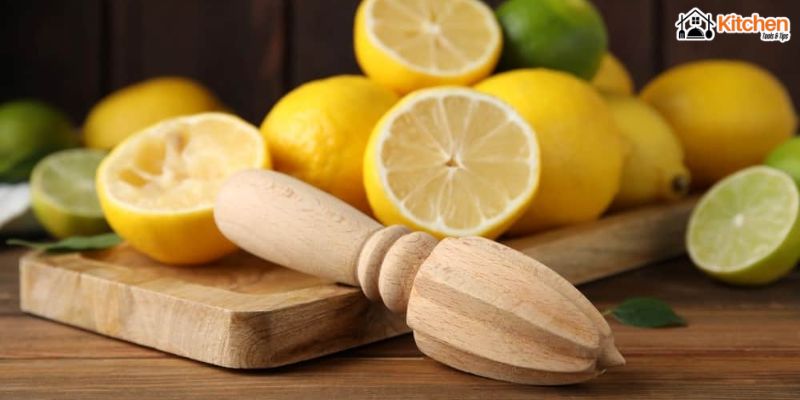
A citrus reamer is a small, handheld tool used to extract juice from citrus fruit. It has a pointed, ridged cone at one end. You press it into the cut side of a fruit and twist. The ridges tear through the fruit flesh and release the juice.
That is it. Simple, fast, and effective.
You may also hear it called a:
- Hand juicer
- Handheld juicer
- Manual juicer
- Juice squeezer
- Wood reamer (when made from wood)
It works on lemons, limes, oranges, grapefruits, and more. Any citrus fruit that fits in your hand is fair game.
Chefs love it. Home cooks love it. Bartenders love it. It is one of those tools that never goes out of style.
How Does a Citrus Reamer Work?
The design is genius in its simplicity.
The pointed tip pierces the center of the fruit. The ridges along the cone grip the fruit flesh. When you twist, the ridges break open the juice sacs inside the fruit. The juice flows out and drips down the sides of the tool.
Here is the basic process:
- Cut the citrus fruit in half
- Hold the fruit cut-side down over a bowl or glass
- Press the reamer tip into the fruit center
- Twist back and forth with light pressure
- The juice pours out in seconds
No electricity needed. No setup. No cleanup beyond a quick rinse.
The whole process takes about 20 to 30 seconds per fruit half. That is faster than most electric juicers when you factor in setup and cleaning time.
Citrus Reamer vs. Other Juicing Tools
There are many juicing tools out there. How does a reamer compare?
Citrus Reamer vs. Citrus Press
A citrus fruit juicer or citrus press works by squeezing the fruit from above. You place the fruit cut-side down on a dome and push a lever. It extracts a lot of juice quickly.
A reamer gives you more control. You feel the fruit as you juice it. You can target specific areas for more juice.
Citrus Reamer vs. Electric Juicer
An electric juicer or orange juicer is fast and hands-free. But it takes up counter space, needs power, and has many parts to clean.
A citrus reamer is compact. It fits in a drawer. It needs no power. And it takes five seconds to clean.
Citrus Reamer vs. Handheld Squeezer
A handheld juicer or squeeze-style tool works by gripping the fruit and pressing it closed. It catches seeds in a strainer basket.
A reamer is better for getting maximum juice from the fruit. But it does not catch seeds automatically. You may need a strainer or to pick seeds out by hand.
Quick Comparison Table:
| Tool | Speed | Control | Easy to Clean | Catches Seeds |
|---|---|---|---|---|
| Citrus reamer | Fast | High | Yes | No |
| Citrus press | Very fast | Low | Medium | Yes |
| Electric juicer | Very fast | Low | No | Yes |
| Handheld squeezer | Fast | Medium | Yes | Yes |
Each tool has its place. But for simplicity and control, the reamer wins.
Types of Citrus Reamers
Not all reamers look or feel the same. Here are the main types:
1. Handheld Reamer (Basic Style)
This is the most common type. It is just the cone on a handle. No bowl. No strainer. You hold it over whatever container you are filling.
It is the most affordable option. It is also the most portable. Great for travel, small kitchens, or camping.
2. Reamer with Bowl and Strainer
This type has a cone attached to a bowl with a built-in strainer. The juice collects in the bowl. The strainer catches seeds and pulp.
It is tidier and more self-contained. Good for juicing multiple fruits at once.
3. Tabletop Reamer
This sits on the counter by itself. You press the fruit down onto the cone and twist. Some have measurement markings on the bowl.
It gives you two free hands during juicing. Very convenient for larger batches.
4. Electric Reamer
This is a motorized version. You just press the fruit down and the cone spins automatically. It is faster than manual twisting.
But it loses the simplicity that makes reamers special. It needs power and more cleaning.
For most home cooks, a simple manual juicer style reamer is all you need.
Materials Explained: Wood, Steel, and More
The material affects how a reamer feels, performs, and lasts. Here is a breakdown:
Wooden Reamers
Wooden reamers are the classic choice. They have been used for centuries. Wood feels warm and natural in the hand. It grips the fruit well.
Olive wood reamers are especially popular. Olive wood is dense, hard, and naturally resistant to moisture. An olive wood reamer can last decades with proper care. It also looks beautiful on a kitchen counter or as part of a set of wooden utensils.
Other hardwoods used include maple, beech, and cherry. All are durable and food-safe.
A wood reamer is not dishwasher safe. But it is easy to hand wash. More on that in the care section below.
Stainless Steel Reamers
Stainless steel reamers are sleek and modern. They are extremely durable. They do not absorb odors or stains. And they are dishwasher safe.
A stainless steel reamer is a great choice if you want low-maintenance care. The ridges on steel reamers are sharp and precise. They extract juice efficiently.
The downside is that steel can feel cold and slippery in the hand. Some people find wooden reamers easier to grip.
Plastic Reamers
Plastic reamers are affordable and lightweight. They are usually dishwasher safe. They come in many colors and styles.
The downside is durability. Plastic can crack or wear down over time. For occasional use, plastic works fine. For daily juicing, invest in wood or steel.
Silicone Reamers
Silicone reamers are flexible and soft. They are easy to grip and gentle on hands. Many are dishwasher safe.
They work well for softer citrus fruits. But they may not extract as much juice from firmer fruits like limes.
How to Use a Citrus Reamer (Step-by-Step)
Using a citrus reamer is easy. Here is exactly how to do it:
What you need:
- A citrus reamer
- A citrus fruit (lemon, lime, orange, grapefruit)
- A bowl, glass, or measuring cup
- Optional: a fine mesh strainer for seed-free juice
Step 1: Prepare the fruit
Roll the fruit firmly on the counter for 10 seconds. This loosens the juice sacs inside and helps you get more juice. Then cut the fruit in half crosswise.
Step 2: Position over your container
Hold the fruit cut-side down over your bowl or glass. Or place a strainer over the bowl first to catch seeds and pulp.
Step 3: Insert the reamer
Press the pointed tip of the reamer into the center of the fruit. Apply light downward pressure.
Step 4: Twist and juice
Twist the reamer back and forth. Use a firm but gentle motion. You will feel the flesh breaking apart and juice flowing out.
Step 5: Squeeze and rotate
As you twist, gently squeeze the fruit with your other hand. Rotate the fruit slightly to hit all areas of flesh. This helps extract the most juice possible.
Step 6: Repeat on the other half
One lemon half gives you about one tablespoon of juice. A whole orange gives you about four tablespoons. Repeat with the second half for a full serving.
Pro tip: Warm fruit gives more juice than cold fruit. Let refrigerated citrus sit at room temperature for 15 minutes before juicing.
Best Citrus Reamers to Consider
Here are some well-regarded options trusted by home cooks and professionals:
Tovolo Citrus Reamer — Tovolo makes reliable kitchen tools. Their reamer has a comfortable grip and a built-in drip guard. It is a favorite for everyday juicing. The Tovolo design is practical and affordable.
Olive Wood Reamer — Any quality olive wood reamer is a standout choice. Olive wood tools are beautiful, strong, and long-lasting. They fit naturally with other wooden utensils in a rustic or natural kitchen setup.
Stainless Steel Reamer with Bowl — Great for those who want easy cleaning. A stainless steel version with an integrated bowl and strainer catches all seeds and measures your juice at the same time.
OXO Good Grips Reamer — OXO is known for ergonomic design. Their reamer is easy to hold and use. It works well as both a handheld juicer and a manual juicer for daily use.
Care and Cleaning Tips
Taking care of your reamer keeps it working well for years.
For wooden reamers and olive wood reamers:
- Hand wash only — never put in the dishwasher
- Wash with warm water and mild dish soap
- Dry immediately with a towel — do not let it soak
- Oil occasionally with food-safe mineral oil or beeswax
- Store in a dry place away from direct sunlight
For stainless steel reamers:
- Dishwasher safe in most cases
- Rinse immediately after use to prevent citrus acid buildup
- Dry thoroughly to prevent water spots
- Polish occasionally with a soft cloth
For plastic and silicone reamers:
- Most are dishwasher safe — check the label
- Rinse well after use to prevent citrus staining
- Replace if cracking or warping occurs
General rule: rinse your reamer right after use. Citrus juice is acidic. Letting it sit can stain or corrode some materials over time.
FAQ: What Is a Citrus Reamer?
Q: What is the difference between a citrus reamer and a juicer? A citrus reamer is a manual, handheld tool. A juicer usually refers to a larger electric or mechanical device. A reamer gives you more control and requires no power. A juicer is better for large volumes of juice.
Q: Can I use a citrus reamer on all citrus fruits? Yes. A citrus reamer works on lemons, limes, oranges, grapefruits, clementines, and more. For larger fruits like grapefruits, a tabletop reamer is easier to handle.
Q: Is a wooden reamer better than a stainless steel one? It depends on your preference. Wooden reamers feel warm and natural. Olive wood reamers are especially durable and beautiful. Stainless steel reamers are easier to clean and dishwasher safe. Both work equally well for juicing.
Q: Do I need a strainer with a citrus reamer? Not always. If you do not mind a seed or two, skip it. For seed-free, pulp-free juice, place a fine mesh strainer over your bowl before you start juicing.
Q: How do I get more juice from my citrus fruit? Roll the fruit on the counter before cutting. Warm the fruit slightly. Squeeze the fruit gently while twisting the reamer. These small steps make a big difference in yield.
Q: Is Tovolo a good brand for citrus reamers? Yes. Tovolo makes quality kitchen tools at a fair price. Their citrus reamer is a popular and well-reviewed choice for home cooks who want a reliable manual juicer.
Q: Can I use a citrus reamer for anything other than juicing? Mostly, no. It is designed for juicing citrus fruit. But some cooks use the handle end to muddle herbs or mix drinks. Its main job is juicing, and it does that very well.
Final Thoughts
A citrus reamer is one of the most underrated tools in any kitchen.
It is small. It is simple. It costs very little. But it makes a real difference in your cooking and drinking.
Fresh juice from a hand juicer tastes better than bottled juice. It takes seconds. And clean-up is a breeze.
Here is a quick recap:
- A citrus reamer is a handheld tool that extracts juice from citrus fruit
- It works by pressing and twisting against the cut fruit flesh
- It comes in wood, stainless steel, plastic, and silicone
- Olive wood and stainless steel are the most durable materials
- Brands like Tovolo offer reliable, affordable options
- Use it with a strainer for seed-free juice
- Roll and warm the fruit first for maximum juice
Whether you squeeze a lemon into tea, juice an orange for breakfast, or make fresh cocktails, a citrus reamer makes the job easy, fast, and satisfying.
Pick one up. You will wonder how you ever cooked without it.