
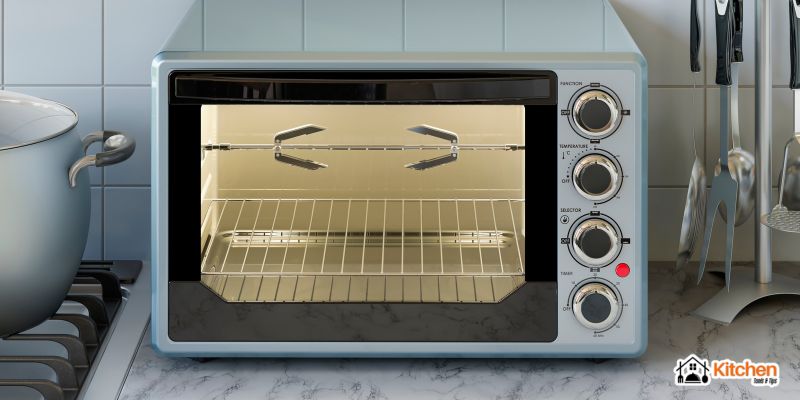
A convection oven changes how you cook food at home. It makes meals cook faster and more evenly. Many home cooks wonder what makes this oven different from a regular oven. This guide explains everything you need to know.
What is a Convection Oven?
A convection oven is a cooking appliance that uses fans to move hot air around food. This moving air cooks food from all sides at once. The fan sits at the back of the oven. It pushes heat around the entire cooking space.
Regular ovens heat food from the top and bottom only. Convection ovens add a third heat source: moving air. This makes a big difference in cooking results.
Most modern kitchens now include convection ovens. You can find them as standalone units or built into ranges. Some microwaves also have convection features.
How Does a Convection Oven Work?
The science behind convection cooking is simple. The oven has three main parts:
Heating elements create warmth inside the oven. These elements sit at the top and bottom, just like in regular ovens.
A fan moves the hot air around. This fan runs constantly while the oven is on. It creates a steady flow of heat.
An exhaust system keeps air moving. This system removes moisture and helps maintain consistent temperature.
When you turn on a convection oven, the heating elements warm up first. Then the fan starts spinning. Hot air moves in a circular pattern around your food. This moving air transfers heat faster than still air does.
The constant air movement means food cooks at lower temperatures. Most recipes need 25 degrees Fahrenheit less heat in a convection oven. Food also cooks 25% faster than in regular ovens.
Types of Convection Ovens
Three main types of convection ovens exist today.
True convection ovens have a heating element near the fan. This heats the air before the fan pushes it around. These ovens give the most even cooking results. They work best for baking multiple trays at once.
Fan convection ovens have a fan but no extra heating element. The fan just moves air from the regular heating elements. These ovens cost less but give slightly less even results.
Convection microwave ovens combine microwave energy with convection heat. These versatile appliances can microwave, bake, and roast. They save counter space in small kitchens.
Benefits of Using a Convection Oven
Convection ovens offer many advantages over traditional ovens.
Faster cooking times save you time in the kitchen. A chicken that takes 90 minutes in a regular oven needs only 70 minutes in a convection oven.
Even browning makes food look better. The moving air creates perfect golden crusts on bread, cookies, and roasted meats.
Energy efficiency lowers your power bills. Shorter cooking times and lower temperatures mean less electricity use.
Multiple rack cooking works better. You can bake three trays of cookies at once. All trays will brown evenly. In regular ovens, the top tray often burns while the bottom stays pale.
Crispier textures improve many dishes. Roasted vegetables get crispy edges. Chicken skin turns golden and crunchy.
Better moisture removal helps with certain foods. The moving air carries away steam. This makes French fries crispier and pie crusts flakier.
Convection Oven vs Regular Oven
Understanding the differences helps you choose the right cooking method.
Heat distribution works differently. Regular ovens have hot spots and cool spots. Convection ovens spread heat evenly throughout the space.
Cooking time varies between the two. Regular ovens need more time. Convection ovens cook food 25% faster on average.
Temperature settings need adjustment. Reduce recipe temperatures by 25 degrees when using convection. If a recipe says 400 degrees, set your convection oven to 375 degrees.
Food results differ in texture. Convection ovens create crispier outsides. Regular ovens sometimes make food softer and less brown.
Best uses vary by oven type. Regular ovens work well for delicate cakes and custards. Convection ovens excel at roasting meats and baking cookies.
Best Foods to Cook in a Convection Oven
Some foods turn out better in convection ovens.
Roasted meats cook perfectly. The moving air creates crispy skin on chicken, turkey, and duck. The inside stays juicy and tender.
Cookies and pastries bake evenly. You can bake multiple trays at once. All cookies turn golden brown at the same time.
Roasted vegetables get crispy edges. Brussels sprouts, carrots, and potatoes develop delicious caramelized exteriors.
Pies and tarts develop flaky crusts. The circulating air removes moisture quickly. This prevents soggy bottom crusts.
Casseroles cook through evenly. The top browns nicely while the inside heats completely.
Toasted nuts turn golden without burning. The even heat toasts all nuts uniformly.
Avoid using convection for delicate items. Soufflés, cheesecakes, and flans do better in regular ovens. The fan can disturb these fragile dishes.
Tips for Using a Convection Oven
Follow these tips for the best results.
Lower the temperature by 25 degrees from recipe instructions. This prevents over-browning.
Reduce cooking time by checking food early. Start checking 5 to 10 minutes before the recipe time ends.
Use low-sided pans when possible. This lets air circulate around food better. Avoid high-sided roasting pans.
Leave space between items on baking sheets. Air needs room to flow around each piece of food.
Skip the preheating for some foods. Convection ovens heat up quickly. Many dishes can start in a cold oven.
Turn off the fan for delicate items. Most convection ovens let you turn off the fan when needed.
Rotate pans halfway through cooking for the most even results. This ensures perfect browning on all sides.
Frequently Asked Questions
What is the main difference between a convection oven and a regular oven?
A convection oven has a fan that circulates hot air around food. Regular ovens have still air. This moving air cooks food faster and more evenly.
Do I need to adjust recipes for convection ovens?
Yes. Lower the temperature by 25 degrees Fahrenheit. Also reduce cooking time by about 25%. Check food earlier than recipe instructions say.
Can I use aluminum foil in a convection oven?
Yes, but use it carefully. Do not cover the entire rack with foil. This blocks air circulation. Only cover the food itself if needed.
Are convection ovens good for baking cakes?
Convection works well for some cakes. Dense cakes like pound cake do great. Light, delicate cakes may develop a crust too quickly. Many bakers prefer regular ovens for angel food cake and sponge cake.
Why is my convection oven so loud?
The fan makes noise while running. This is normal. If the noise seems excessive or changes suddenly, contact a repair technician.
Do convection ovens use more electricity?
No. Convection ovens actually use less energy. They cook food faster at lower temperatures. This saves electricity over time.