
Are you tired of guessing ingredient amounts? A digital kitchen scale can transform your cooking and baking forever.
Let me show you exactly what this tool is and why it matters.
What Is a Digital Kitchen Scale?
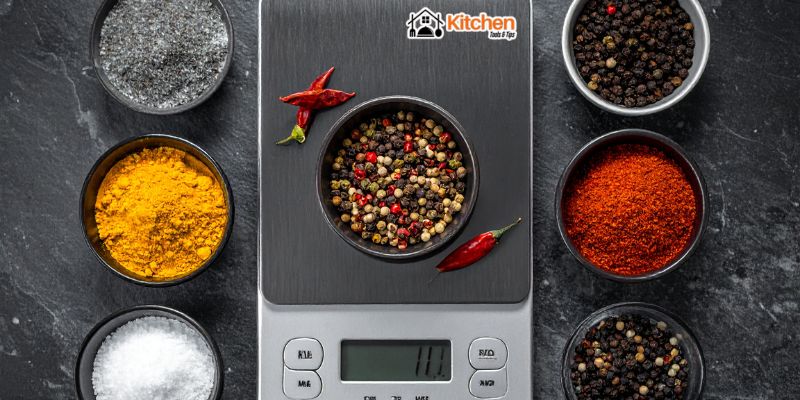
A digital kitchen scale is an electronic device that measures the weight of food and ingredients. It displays the weight on a screen in grams, ounces, pounds, or other units.
Unlike old-fashioned scales with dials, digital scales give you exact numbers. You place your ingredient on the platform, and the screen shows the precise weight instantly.
Most digital scales are flat, compact, and easy to store. They run on batteries or USB power. You’ll find them in home kitchens, bakeries, and restaurants worldwide.
How Does a Digital Kitchen Scale Work?
Digital kitchen scales use load cells to measure weight. These sensors detect pressure when you place something on the platform.
Here’s the simple process:
- You place food on the weighing platform
- The load cell senses the pressure
- An electronic circuit converts this into a digital signal
- The display shows the weight in your chosen unit
The whole process happens in less than a second. Modern scales can measure as little as one gram with high accuracy.
Types of Digital Kitchen Scales
You’ll find several types of digital scales for different kitchen needs.
Compact Digital Scales
These small scales are perfect for tight spaces. They weigh up to 5 or 11 pounds. Great for measuring spices, coffee, or small portions.
Platform Scales
These feature larger platforms for bigger items. They can handle 10 to 25 pounds or more. Ideal for weighing whole chickens, large batches of dough, or produce.
Nutritional Scales
These advanced models calculate calories, carbs, protein, and fat. They come with food databases built in. Perfect for people tracking their nutrition or following specific diets.
Pocket Scales
Ultra-portable scales that fit in your pocket. They’re tiny but accurate. Coffee lovers and travelers use these frequently.
Key Benefits of Using a Digital Kitchen Scale
Digital scales make cooking easier and more accurate.
Precision and Consistency
Measuring cups can be off by 20% or more. Digital scales give you exact amounts every time. Your recipes turn out perfect batch after batch.
Better Baking Results
Baking is science. Too much flour makes dry cookies. Too little makes flat cakes. A scale ensures your measurements are spot-on.
Easier Portion Control
Want to lose weight or build muscle? Weighing your food helps you track calories accurately. No more guessing portion sizes.
Less Cleanup
You can weigh ingredients directly in your mixing bowl. Just press the “tare” button to reset to zero between ingredients. Fewer measuring cups means less washing.
Works with Any Recipe
Many recipes, especially from Europe, use weight measurements. A digital scale lets you follow any recipe from anywhere in the world.
Important Features to Consider
Not all digital scales are created equal. Look for these features when shopping.
Tare Function
This button resets the scale to zero. You can place a bowl on the scale, tare it, then add your ingredient. The scale only weighs what you add, not the bowl.
Multiple Units
Good scales switch between grams, ounces, pounds, and milliliters. This flexibility helps with any recipe format.
Weight Capacity
Choose based on what you’ll weigh. Most home cooks do well with an 11-pound capacity. Serious bakers might want 25 pounds or more.
Platform Size
A larger platform holds bigger bowls and plates. Make sure it fits your common containers.
Precision
Look for scales accurate to 1 gram or 0.1 ounce. More precise scales exist but cost more and aren’t necessary for most cooking.
Auto-Off Function
This saves battery life by turning off after a few minutes of no use.
Easy-to-Read Display
Large, backlit numbers help you see measurements clearly, even in dim kitchens.
Digital vs. Analog Kitchen Scales
Analog scales use springs and dials. Digital scales use electronics.
Digital scales win in almost every way:
- More accurate measurements
- Easier to read
- Tare function available
- Multiple unit options
- Compact design
- More affordable than ever
Analog scales have one advantage: no batteries needed. But this minor benefit doesn’t outweigh the digital advantages.
How to Use a Digital Kitchen Scale
Using a digital scale is simple:
- Place the scale on a flat, stable surface
- Turn it on
- Wait for it to show zero
- Put your container on the platform
- Press “tare” to reset to zero
- Add your ingredient until you reach the desired weight
- Continue with your recipe
For multiple ingredients in one bowl, just tare between each addition.
Common Uses in the Kitchen
Digital scales shine in many cooking tasks.
Baking Bread and Pastries
Professional bakers always weigh flour. It’s the only way to get consistent results. Your bread will rise better and taste amazing.
Making Coffee
Coffee enthusiasts weigh both beans and water. This creates the perfect coffee ratio every time.
Meal Prep
Weighing chicken breasts, rice, and vegetables ensures equal portions for the week ahead.
Candy Making
Sugar work requires exact measurements. A scale prevents expensive mistakes.
Canning and Preserving
Precise measurements matter for food safety in preserving. Scales help you follow canning recipes exactly.
Following Diet Plans
Whether keto, paleo, or counting macros, weighing food makes tracking easy and accurate.
Conclusion
A digital kitchen scale is a simple electronic tool that measures ingredient weight with precision. It displays exact measurements on a screen, making cooking and baking more accurate and consistent.
Every home cook can benefit from this affordable kitchen tool. It takes the guesswork out of recipes, reduces cleanup, and helps with portion control.
Whether you’re a beginner baker or an experienced chef, a digital scale will improve your cooking results. The investment pays for itself through better recipes and less wasted food.
Ready to upgrade your kitchen? Start with a quality digital scale. Your future dishes will thank you.