
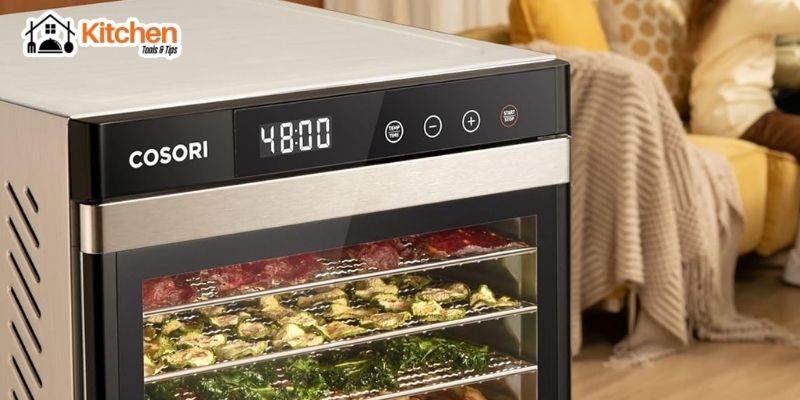
Have you ever wondered how to make jerky at home? Or how dried fruit gets that chewy texture? The answer is a food dehydrator.
This guide explains what a food dehydrator is and why many home cooks love it.
What Is a Food Dehydrator?
A food dehydrator is a kitchen appliance that removes moisture from food. It uses warm air and gentle circulation to dry fruits, vegetables, meats, and herbs.
The machine looks like a small box or tower with trays inside. You place fresh food on these trays, and the dehydrator does the rest.
By removing water, the dehydrator preserves food naturally. This process has been used for thousands of years, but modern machines make it easy and safe.
How Does a Food Dehydrator Work?
A food dehydrator works through three simple steps:
Heat: The machine warms the air inside to a set temperature, usually between 95°F and 165°F.
Airflow: A fan circulates the warm air around the food evenly.
Moisture removal: The warm air pulls water out of the food. Vents let the moist air escape.
This gentle process takes several hours. The exact time depends on what you’re drying and how thick you slice it.
The low temperature preserves nutrients better than other cooking methods. It also keeps food from cooking or burning.
Types of Food Dehydrators
There are two main types of food dehydrators:
Stackable Dehydrators
These models have round trays that stack on top of each other. They’re affordable and compact.
The heating element and fan sit at the base. Air flows up through the trays.
Brands like Presto and Nesco make popular stackable models. They work well for beginners.
Box and Shelf Dehydrators
These look like small ovens with slide-in trays. They cost more but offer better features.
The heating element sits at the back or side. Air flows horizontally across all trays evenly.
Excalibur is a well-known brand for this type. Commercial kitchens often use these models.
Box dehydrators give more consistent results. They’re ideal if you plan to dehydrate often.
Benefits of Using a Food Dehydrator
Food dehydrators offer many advantages:
Saves money: Make your own snacks instead of buying expensive dried foods at stores.
Reduces waste: Preserve fruits and vegetables before they spoil.
Healthier snacks: Control ingredients and avoid added sugars or preservatives.
Long shelf life: Dried foods last months or even years when stored properly.
Space-saving storage: Removing water makes food lighter and smaller.
Retains nutrients: Low heat preserves vitamins better than canning or freezing.
Great taste: Dehydration concentrates natural flavors.
Many families use dehydrators to create healthy lunch box snacks. Hikers and campers love lightweight dried meals too.
What Can You Dehydrate?
You can dry almost any food in a dehydrator:
Fruits
Apples, bananas, strawberries, mangoes, and grapes turn into delicious dried snacks. Make your own fruit leather too.
Vegetables
Tomatoes, zucchini, peppers, and onions work great. Use them in soups or rehydrate for cooking.
Meats
Beef jerky is the most popular option. You can also make turkey or salmon jerky with the right preparation.
Herbs
Basil, oregano, parsley, and mint dry perfectly. Fresh herbs from your garden last all year.
Other Foods
Try yogurt, make dog treats, dry flowers, or create potpourri. Some people even make fruit powder.
The possibilities are endless once you start experimenting.
Is a Food Dehydrator Worth It?
A food dehydrator is worth buying if you:
- Want healthier snack options
- Grow your own produce
- Buy fruits and vegetables in bulk
- Enjoy camping or hiking
- Want to save money long-term
- Like making homemade gifts
Basic models start around $40. Mid-range options cost $100 to $200. Professional units can exceed $300.
Consider how often you’ll use it. If you’ll dehydrate weekly, invest in a better model. Occasional users can start with an affordable option.
You can also use your oven on low heat, but dehydrators work better. They use less energy and give more consistent results.
Conclusion
A food dehydrator is a simple appliance that removes moisture from food to preserve it. It uses gentle heat and airflow to create healthy dried snacks and ingredients.
Whether you choose a stackable model or a box dehydrator depends on your budget and needs. Both types work well for beginners.
Start with easy items like apple slices or banana chips. Once you see how simple it is, you’ll find many ways to use this versatile kitchen tool.
Ready to make your own dried foods? A food dehydrator might be the perfect addition to your kitchen.